
Abstract:
Un extruder is a mechanical apparatus that employs a die orifice to force substances, often polymers, food, metal slurries, or 3D printers, through a pre-defined opening (the die or the nozzle). This produces continuous profiles or objects.
In the processing of polymers and plastics, extruders that are single-screw or dual-screw variants are commonly utilized to melt, blend, and shape resins in controlled temperatures and pressure conditions.
The foundation of the work by McCrum et al. was the foundational work by Hampton & al. on the dynamics of polymer processing (see McCrum, N. G.; Buckley, C. P.; Bucknall, C. B., “Principles of Polymer Engineering”, 3rd ed., Oxford University Press, 2003), the proper design and operation of extruders is critical to the uniform melting of polymers, their consistent output, and the efficient and uniform distribution of products.
This guide discusses the different types of extruders, their functions, and practical applications. It provides technical information for those audiences who are interested in industrial technology.
What does extruder mean? Type, function, and Use Guide
Introducere
The term extruder is typically used to describe a machine or mechanism that presses material through a pre-programmed opening in order to produce a continuous shape or output. Extrusion is important in many different industries – plastics and polymer manufacturing, food production, metal forming, 3D printing, and chemical processing.
From manufacturing plastic tubing, films, and sheets, to creating a filament for a 3D printer or shaping steel rods into useful forms, extruders utilize heat, pressure, and mechanical force to transform raw materials into consumable forms.
Understanding what an extruder does, the different types of extruders (single-screw, dual-screw, etc.), and how to operate and maintain one with proper care is of paramount importance to engineers, plant operators, product developers, or anyone associated with the production of filaments or extrusion-based manufacturing.
In the following sections, we discuss the different types of extruders, their capabilities, benefits, and limitations. We then provide guidance regarding their use (selection, operation, maintenance), and finally address common questions in a FAQ section.
Types of Extruders
Extruders are available in multiple varieties based on the application, material, and process goals. The primary varieties include:
-
Single-Screw Extruders
A single-screw extruder (the most popular type) is composed of a helical screw that rotates inside a heated container. Raw material (typically plastic pellets or granules) is introduced into the barrel, which is heated, melted, and moved forward by the screw.
This results in the material being forced through a die that creates a continuous shape (tube, sheet, filament, or profile). The ease of use, inexpensive nature, and proven effectiveness make single-screw extruders ideal for a variety of common plastic extrusion jobs (pipes, sheets, and basic profiles).
-
Twin-Screw Extruders
A twin-screw extruder employs two intersecting screws (rotating together or separately) in a barrel. This configuration promotes greater efficiency in the mix, better control over the heat and shear, and a more uniformized profile, all of which are beneficial for complex resins, compounds with extra components (such as fibers, pigments, or consistency), or when a consistent profile is needed.
Twin-screw extruders are commonly utilized in industries that require precise control over mixture and combination, including the polymeric compounding process, master-batch production, reactive extrusion (e.g., modification of polymers), and advanced manufacturing of filaments or compounds.
-
specialized extruders (e.g., 3D Printer Extruders, Food Extruders, Metal/Powder Extruders)
Other than traditional plastic processing machines, “extruder” also means mechanisms associated with other fields.
In 3D printing, the extruder unit supplies the filament with heat, which is then deposited into a heated mold, where it melts the object and is deposited into the next layer. This creates a 3D impression.
The 3D-printer extruder is therefore different in scale, accuracy, and operability, despite the core principle being the same: forcing a material through a nozzle or die results in its shape.
In food manufacturing, extruders utilize heat and a shape of dough or paste to cook and transform food into a uniform configuration (e.g., pasta, snacks).
In the extrusion of metal or powder, specially designed extruders cause metal powder or slurry to be pressed into rods, stripes, or complex configurations.
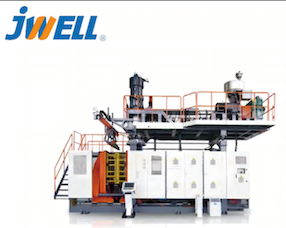
How Extruders Work: Key Functions & Processes
Regardless of the type, most extruders have several basic functions that are necessary: melting (if necessary), conveying, combining, pressuring, and shaping. Below is a description of the typical progression and mechanisms involved:
Feeding / Loading – The raw material is fed into the extruder hopper/barrel.
Melting and Heating — for thermoplastic resins or feedstocks that require melting, the barrel (and sometimes a screw) is heated to a controlled temperature in order to convert the solid resin into a molten form.
Homogenizing / Mixing — through the screw (or screws), the material is sheared, mixed, and uniformed in temperature, composition, and any additional components (fillers, colorants, supplements). Twin-screw extruders have a successful record in this area.
Pressurizing & Conveying — the screw(s) motion causes the molten or plasticized material to be advanced, which creates pressure that is used to force it through a die orifice.
Shaping / Extrusion through Die/Nozzle — The material is pressured through an opening that ultimately gives the extruded material its final shape: tube, sheet, wire, or other. After exiting the die, the material that was extruded may be cooled down (air, water bath), cut, or processed further (calendering, winding).
Cooling & Solidification — For extrusions that are molten, rapid cooling is necessary to maintain the shape; For extrusions that are filmed (e.g., 3D printing), cooling and control of the diameter are crucial to obtaining consistent quality.
Because extrusion combines the melting, mixture, shaping, and solidification of products in a single procedure, it is highly beneficial for the production of large quantities of uniform products or profiles.
Why Choose an Extruder: Advantages & Use Cases
Extrusion has multiple benefits that make extruders important in manufacturing environments:
Constant operation: Unlike batch molding or casting, extrusion can operate in a continuous manner, producing long quantities of product (tubing, sheet, or filament) without stopping — this is beneficial for high volume production.
Uniformity and consistency: Properly designed extruders (particularly dual-screw) ensure a consistent and uniform mixture, essential for quality control in the production of plastic, compounding, dispersing, or manufacturing of filaments.
Variety across materials: With the appropriate design of screws, barrels, and dies, extruders can deal with a variety of materials, including thermoplastics, composites, filled compounds, food pastes, and metal powder.
Scalability: From small-scale experiments in the laboratory (e.g., the production of Filament) to large-scale installations (pipes, sheets, and masterbatch compounds), extruders have a range of capabilities across different production volumes.
Effective material utilization: Extrusion reduces the amount of waste compared to additive manufacturing; the scrap can often be re-purposed into the process ( contingent on the material and quality specifications).
Because of these benefits, extruders are fundamental to the manufacturing of plastics, the production of filaments for 3D printing, the food industry, and specialty compounds; these are all foundational to many supply chains.
Key Considerations When Selecting or Using an Extruder
Selecting and operating an extruder is complicated by several factors that need to be considered in order to produce a quality product, have a stable process, and have a safe design. Key factors that should be considered include:
The type of material/resin: It’s important to know the melting point, consistency, presence of supplements or fillers, and so on. For simple resins, a single-screw is sufficient; for filled or complex materials, twin-screw or specialized extruders are more favorable.
Screw design and configurations: The ratio of length to diameter of the screws (L/D), the volume of the screws (cm3), the number of elements in the mix (cm3), and the pressure and output of the device (cm2).
Barrel heating areas and temperature control: Temperature profiling across the barrel areas is accurate, which prevents the thermal degradation of the barrels and maintains the consistency of the viscosity.
The design of the die or nozzle affects the final product’s geometry: the design of the die also has an effect on the back pressure, uniformity of flow, and the speed of extrusion.
Throughput rate and output control: For constant production or manufacturing of filaments, maintaining a consistent feed rate, screwing speed, and pressure will ensure a consistent output and dimensional consistency.
Cooling and downstream processing: After extrusion, cooling (water bath, air cooling), cutting, winding, or calendering is necessary to match the behavior of the material to avoid deformation or inconsistency.
Maintenance and cleaning: Remaining material (particularly when switching between resins) should be removed or cleaned in order to prevent infection, colorfastness, or malfunctioning output.
Incorrectly matching these parameters can result in inconsistent extrusion, poor-quality products (voids, inconsistent dimensions, weak spots), or even equipment damage.
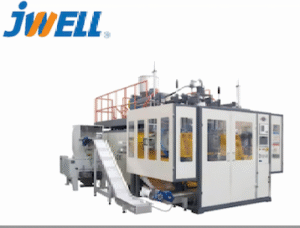
Extruder in 3D Printing Context
When the term extruder is employed in 3D printing, it is not intended to be a large industrial machine, but rather the mechanism that feeds the filament, melts it, and deposits it through a nozzle.
The 3D-printer extruder combines material supply, temperature control, and precise movement. Effective operation of the extruder is crucial to ensuring proper flow of the filament, consistent layer construction, and superior print quality. Because 3D printers typically utilize thin filaments (e.g., 1.75 mm or 2.85 mm), the extruder must have dependable, controlled pressure and precise temperature control.
Mistakes or misbalances (e.g., clogged nozzle, misaligned PTFE tubing, inconsistent feeding of the filament) often lead to defects in prints – under-extrusion, gaps between layers, jams in the nozzle, or poor adhesion. As a result, maintaining and correctly utilizing the equipment is essential.
Summary Table: Extruder Types and Typical Applications
| Extruder Type | Key Characteristics | Aplicații tipice | Strengths | Limitations / Considerations |
| Single-screw extruder | One helical screw, heated barrel, simple design | Standard plastic extrusion — pipes, sheets, profiles | Low cost, widely used, easy control | Less efficient mixing, less suited for filled or composite materials |
| Extruder cu două shaibe | Two intermeshing screws, enhanced mixing | Compound production, filled plastics, masterbatch, composite extrusion, complex resins | Excellent mixing, consistent output, handles additives/fillers | More complex, higher cost, more demanding maintenance and control |
| 3D-printer extruder | Filament feed + small nozzle, precise control | Additive manufacturing / 3D-printing | High precision, small-scale, customizable output | Limited throughput, sensitive to maintenance, nozzle/clogging issues |
| Specialized extruders | Custom screw/ barrel / die designs, variable materials | Food extrusion, metal/powder extrusion, specialty compounds | Material versatility, custom output shapes | High complexity, strict process control required |
ÎNTREBĂRI FRECVENTE
Here are answers to some of the most common questions about extruders, their use, maintenance, and types.
Q1:What is the purpose of the extruder in a 3D printer?
In a 3D printer, the extruder is the component that introduces the filament into a heated chamber, which is melted, and then deposits the material in a layered fashion to create a 3D object. It regulates the rate of filament feeding, ensures consistent pressure, and communicates with the printer’s motion system in order to ensure that the melted material is deposited precisely, which is fundamental to the quality of printouts, the bond between layers, and the accuracy of dimensions.
Q2:How to take the PTFE tubing out of the extruder?
If your 3D-printer employs a PTFE (polyethylene) coating or tube in the extruder (e.g., on some low-level or mid-range printers), removing it is typically safe:
Heat the nozzle/extruder to the same temperature as the extruder or printing device to soften any adhesive or filament inside.
With the hot end hot, but under safe conditions, gently pull the filament back to release pressure.
Use appropriate instruments (e.g., pliers or tweezers) to grab the PTFE tube’s end and gently pull it out, avoiding bumping or twisting that would adversely affect the tube.
After extraction, inspect the tube for wear or malformations — consider a replacement if you notice deformation, burns, or blockage potential.
Clean the extruder pathway before installing a new PTFE tube to avoid contamination.
Effective care during the removal process helps to avoid damaging the extruder components and ensures proper future operation.
Q3:How to maintain the extruder?
Cleaning the extruder’s nozzle (for a 3D printer or a small-scale extruder) typically involves:
Heating the tip of the nozzle to the intended temperature in order to soften any melted substance or leftovers.
Using a cleaning rod (special nylon or a “nozzle-clean” rod) or “cold-pull” (heat-pull) methods: feed a cleaning rod, allow it to soften, then cool slightly and retract it — pulling out any remaining material or debris.
Alternatively, utilize a sharp needle or tool for cleaning nozzles (carefully avoiding damage to the inner wall of the nozzle) to remove any remaining hard plastic.
If remnants of the substance remain, deconstruct the nozzle (if present) and soak in the appropriate solvent (for example, if ABS is used, consider the use of acetone). Only then will this be recommended by the manufacturer, and damage will be avoided.
After cleaning, re-establish operation with small tests or extrusions that will confirm proper flow before full-scale utilization.
Constant cleaning is responsible for avoiding blockages, inconsistent flow, and printing errors.
Q4:What is the definition of an extruder operator?
An extruder operator is a proficient technician (or worker) who runs and controls an extrusion line in industries or manufacturing. Their responsibilities typically include: selecting and loading raw material, setting and monitoring barrel temperature and screw speed, ensuring proper die/nozzle configuration, checking output quality (dimensions, surface finish, defects), adjusting process parameters, performing maintenance and cleaning, and ensuring safety and efficiency. In more intricate configurations (e.g., compounders that have both screws), operators are also capable of monitoring the mixture of materials, the dispersal of the additive, and the formulation of resins.
Q5:What is a dual extruder?
A twin-screw extruder is a form of extruder that possesses two intersecting screws located in a barrel. The design promotes combination, uniformity, and the transmission of heat and pressure under the influence of gravity.
Twin-screw extruders have a special advantage when dealing with filled or composite materials, as well as compounds that are composed of plastic and other substances, or that have a reactive nature. Their enhanced mixing and shearing ability make them a popular choice for creating masterbatches, compounded resins, or composite profiles that have a consistent composition.
Q6:What is the function of an extruder?
Typically, an extruder takes in raw material (plastic pellets, powder, flame, food dough, etc.), melts (if necessary), combines, pressurizes, and flows through a shaped channel orifice—this forms a continuous output (tube, sheet, flap, profile, etc.). It converts raw material into useful products via controlled temperature, pressure, and mechanical action.
Q7:How do you get the filament from the extruder?
To take or remove the filament from an extruder (e.g., from a 3D-printer extruder):
Heat the hot part to the printing temperature to melt the filament inside.
Once the molten plastic has been extracted, the extruder must be manually retracted through the plastic, using the printer’s retraction command or a manual mechanism to feed the plastic.
If the filament is unable to be pulled out (e.g., due to a partial block or cold filament), alternative methods of heating and gentle traction, or, if necessary, disassemble the extruder path after cooling and safe removal.
After the removal, clean the path of the filament or the PTFE mouth/nozzle before resuming to make sure no residual or debris is present.
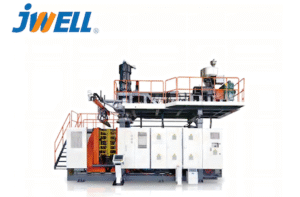
Best Practices for Extruder Use and Maintenance
For effective extrusion performance, whether in the manufacturing of plastics, the production of filaments, or 3D printing, practicing good practices is essential. Key suggestions:
Maintain a proper heating profile: Set the temperatures of the barrel or nozzle in accordance with the specifications of the material; avoid overheating (which can degrade the material) or underheating (which leads to incomplete melting).
Use appropriate screw / die / nozzle configuration for your material and output: Especially for filled or composite materials, screw geometry and die design significantly affect mixing and output quality.
Constant cleaning and purging: When switching materials, colors, or after a long period of use, remove the residual material to avoid contamination, colorfastness, or blockage.
Watch and regulate the flow rate, feed rate, and pressure: Constant consistency of feed and pressure is crucial to ensuring uniform extrusion, which prevents defects like voids, inconsistent thickness of the wall, or surface imperfections.
Cooling and downstream concerns: Implement proper cooling (air, water bath, roller cooling) and concern extruded material with care (winding, cutting, shaping) to avoid warping, deformation, or variation in dimensions.
Scheduled maintenance and checks: Regularly inspect screws, barrel, and nozzle for functionality or damage; replace parts that are worn to maintain consistent quality.
Safety and training: Operators should be taught in safe conduct, temperature and pressure control, and emergency procedures, especially when handling hot barrels, molten materials, or high-pressure flow.
User Reviews:
User 1: Many enhanced metal/polycarbonate extruders have a greater capacity to withstand tension in the filament and consistently feed the filament to the printhead.
User 2: For polymers like PLA, TPU, and nylon that are demanding, a strong extruder made of metal is more appropriate.
User 3: For materials that require a lot of thrust and are stable when fed (such as high temperature/carbon fiber/pliable materials), a good extruder can reduce the likelihood of jamming, under-extrusion, or print failure.
User 4: It’s effective; its dual-drive, metal gear, and short path design of the filament are considered beneficial for the flexibility of the filament and the high precision of the printing.
User 5: It’s highly appreciated by many users because of its dual-gear design plus high gear ratio (which provides more thrust), and it’s also ideal for high volume, high resolution, and complex material printing.
User 6: Extruders are typically expensive, and installation may necessitate additional alterations and adjustments. The barrier to entry is greater for novices.
Author’s review:
An extruder is a fundamental device used to shape materials by forcing them through a die orifice in controlled conditions of heat and pressure. Because of the variety of extruder types and applications, understanding their principles of operation, benefits, limitations, and maintenance is crucial to anyone involved in manufacturing, printing filaments, 3D printing, or material combination.
Selecting the appropriate type (single or dual screws), configuring the screws and die/nozzle in a proper manner, temperature management and throughput, and following extensive maintenance and cleaning protocols are all important aspects of producing quality output and having long-lasting equipment.
For companies that specialize in extrusion, it is still highly effective, portable, and versatile, and mastering the process is crucial to producing quality, consistent products.


 English
  Russian
  Spanish
  Arabic
  German
  French
  Persian
  Turkish
  Bulgarian
  Czech
Czech  Dutch
Dutch  Greek
Greek  Indonesian
  Japanese
  Korean
  Polish
  Portuguese
  Romanian
  Slovenian
  Ukrainian