Abstract:
押出設備 is a common component of machinery used in plastics, rubber, food, chemicals, and other fields that are advanced.
It functions by mandating raw material through a shaped die that possesses controlled temperature, pressure, and shear. This produces continuous products that have a uniform cross-section.
This article provides a comprehensive, industry-oriented description of what extrusion equipment is comprised of, how it functions, its primary components, the different types of major equipment, the scenarios that are possible, and the considerations that are involved in its selection, all of which are intended to provide practical knowledge to engineers, manufacturers, and procurement professionals.
Introduction: Why Extrusion Equipment Matters in Modern Manufacturing
In manufacturing industries that are continuous, few technologies are as important and versatile as extrusion. From plastic pipes and profiles to films, sheets, cables, food products, and pharmaceuticals, extrusion machines enable manufacturers to convert raw materials into high-value, precision-engineered products that are intended for large-scale production.
The extrusion equipment is situated at the meeting point of material science, mechanical engineering, and process control. Contrasting with batch processing, extrusion provides a consistent output volume, consistent quality, and high production efficiency. As a result, extrusion equipment has become a significant investment for manufacturers who want to scale up, automate, and control costs.
Understanding the functioning of extrusion equipment and the different configurations that affect processing behavior is essential to improving the quality of the output, reducing defects, and maintaining the lifespan of the equipment.
What Is Extrusion Equipment?
Extrusion equipment is a class of manufacturing machines that process substances by forcing them through a die that creates a continuous product with a defined cross-sectional profile. The procedure involves controlled temperature, pressure, and mechanical agitation.
In general, extrusion machines are composed of:
- A system of feeding
- A circle of rotation
- A hot chamber
- A forming tool
- Downstream units for cooling and handling
The primary attribute of extrusion equipment is a consistent flow of material; this is different from the process of molding or casting.
Extrusion Equipment User Reviews
Rating 1: The equipment is steady and dependable, especially models from trusted manufacturers (like JWELL), which have received positive feedback over time.
Rating 2: It can adapt to different substances and purposes (from food and plastic to pellet extrusion).
Rating 3: Despite the extrusion’s high productivity, experienced operators or specific technical parameters are necessary to ensure consistent, high-quality production.
Rating 4: Auxiliary machinery like automatic feeding, measurement, and cutting should be incorporated into the main extruder and should be properly configured and addressed; otherwise, the consistency of the final product may be adversely affected.
Rating 5: The equipment’s quality, consistency, and after-sales care are all considered top-notch.
Fundamental Working Principle of Extrusion Equipment
The equipment that extrudes material is primarily composed of a mechanism that melts or softens the material, a conveyor that moves the material forward under pressure, a mechanism that homogenizes the material, and a die that shapes the material into a desired form.
The procedure can be dissected into several functional steps:
- Feedback
The raw material is typically introduced into the extruder in a pellet, powder, or granule form, and a hopper is used to do so. The consistent feeding of animals is essential, as animal fluctuations directly affect the pressure of the product and its dimensions.
- Melting and Plasticization
As the material progresses toward the top of the barrel, it is exposed to increasing temperature and shear from the rotating blade. External heaters and frictional heaters both contribute to the melting or softening of the material in a uniform fashion.
- Pressurization and Homogenization
The design of the screw is intended to reduce the volume of air, increase the mixing of the melt, and maintain its consistency. Effective homogenization is crucial to obtaining a consistent mechanical and surface property in the end product.
- Through the Die
The pressurized melt is released from the barrel and flows through a pre-designed channel. The die has a significant effect on the final shape, thickness, and accuracy of the extruded product.
- Cooling andizing
downstream equipment temperatures down and solidifies the product, which is then locked in its current shape and cannot be cut, wound, or processed further.
Key Components of Extrusion Equipment
- Extruder Screw
The screw is the core of extrusion machinery. The geometry of the object directly affects the efficiency of melting, the generation of pressure, and the mixing of material. Screws are typically composed of a feed section, a compression section, and a metering section.
Modern screws may have additional features, including elements that mix different substances, barriers that prevent spillage, or areas that release gases to improve the stability of processing.
- バレル
The barrel houses the rodent and offers a controlled environment with a heating element. High-end barrels have a resistant liner material that handles abrasive or dense materials.
- Heating and Cooling Mechanisms
Precise temperature regulation is crucial to obtaining consistent extrusion. Modern extrusion machines have integrated temperature control by PID and fans or liquids that are dispensed by means of a pump.
- The Assembly
These Dies are specifically designed to complement the product’s requirements. The poor design of the die can adversely affect the efficacy of the most advanced extrusion equipment.
- Drive System
Motors and gearboxes serve as a source of torque and speed. Energy efficiency and torque consistency are essential in the selection of equipment.
Types of Extrusion Equipment
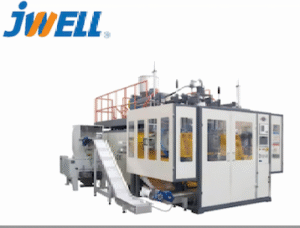
- Single-Screw Extrusion Device
Single-screw extruders are the most popular form of extrusion machinery. They have a simple design, effective operation, and cost-savings.
Useful applications include:
- The extrusion of PVC pipe
- Plastic sheets
- Tapes and sheets
Single-screw extrusion machines are ideal for substances that have a consistent melting behavior and a well-defined composition.
- Twin-Screw Device
Twin-screw extrusion machinery employs two intersecting screws, either both co-rotating or both counter-rotating.
Advantages include:
- Better integration and dispersal
- More effective management of réactive processes
- Better management of powders and supplements
Twin-screw extruders are frequently utilized in the production of compounds, masterbatches, and specialized materials.
- Ram Extrusion Device
Ram extrusion machines are employed for substances that cannot be operated using rotary motion, such as PTFE or certain ceramic materials.
Materials Processed by Extrusion Equipment
The extrusion equipment can accommodate a variety of materials:
- Thermoplastics (PVC, PE, PP, ABS)
- Elastomers and other compounds of rubber
- Food products (pastas, snacks, and pet food)
- Pharmaceutical preparations
- Chemical messengers
The material’s rheology has a significant impact on the configuration of equipment and the design of screws.
Industry Applications of Extrusion Equipment
- Plastics and Polymer Industry
Extrusion machines are fundamental to the manufacturing of plastic; these machines allow for the continuous production of pipes, profiles, films, sheets, and insulation.
- Construction and Infrastructure
The extrusion of PVC and HDPE pipe relies on powerful, high-powered equipment that is capable of maintaining accuracy over long distances.
- Food Preparation
Food-grade extrusion machines create cereals, flavored proteins, and other snacks with precise moisture and temperature control.
- Pharmaceuticals and Chemicals
In pharmaceutical extrusion, equipment must have stringent hygiene and precision standards; these standards are particularly important in hot-melt extrusion applications.
Advantages of Using Extrusion Equipment
- Constant and High-Efficient Production
The extrusion equipment functions as a continuous process that allows materials to be formed without stopping. This increases the output rate significantly and reduces the downtime compared to traditional manufacturing methods. This is ideal for large volume production.
- Constant Quality of Product
By precisely regulating the temperature, pressure, and speed of the screws, extrusion equipment ensures a consistent profile, consistent dimensions, and reproducible properties of the material. This consistency is of paramount importance to applications that require precise tolerances.
- Resourcefulness
The extrusion equipment can consume a variety of materials, including thermoplastics, rubber, chemical compounds, and composites. Additives, fillers, and reinforcements can be incorporated directly into the extrusion process, which increases the flexibility of the formulation.
- Flexibility in design
Complex profiles, empty sections, and multiple-layer structures can all be created in one pass. With the proper die design, extrusion allows for custom shapes that would be difficult or expensive to create using other manufacturing methods.
- Effective Costs of Production
High productivity, low waste production, and reduced labor costs make extrusion equipment an effective solution to cost-efficiency, especially for large production runs. Scrap material can often be re-purposed in the process.
- Superb surface quality
Modern extrusion systems produce products with flat, uniform surfaces, which diminishes the need for additional processing or improves overall productivity.
- Scaleability and Automation
The extrusion equipment is easily combined with automation systems, downstream processing, cooling, and winding. This scalability is supported by a consistent quality while minimizing human intervention.
- Energy and Resource Saving
Compared to other methods of forming that are alternative, extrusion takes advantage of energy and raw material efficiency. Constant processing and optimized temperature zones have a positive effect on reducing the total cost of operation.
How to Choose the Right Extrusion Equipment?
- Describe the product’s requirements
Start with a comprehensive understanding of what you want to produce.
Substance Type: thermoplastics, rubber, food, chemicals, or combinations
Product shape: pipes, profiles, sheets, films, rods, or pellets
Tolerance to dimensions: the need for precision and a flat surface finish.
Single-layer or multiple-layer structures
The ultimate product has a significant impact on the configuration of the extrusion line.
- Select the appropriate extruder type
Different extruder configurations are appropriate for different purposes.
Single-screw extruder:
Best for materials that are steady, consistent, and produce consistently.
Twin-screw extruder:
Ideal for combination, blending, and processing materials that are filled or have a supplemental layer.
Co-rotating and counter-rotating screws;
Selected based on the sensitivity of the shear and the material’s composition.
- Combine the capacity for the match and the output needed
Select equipment based on
Necessary throughput (kg/h)
Constant operational ability
Future growth potential
Oversized hardware increases the cost of energy, while undersized hardware diminishes productivity.
- Evaluate the compatibility of the material
Ensure the extrusion machinery is capable of handling:
The temperature range necessary for processing
Abrasive or erosive supplements
Sensitivity to moisture and the need for drying.
The proper design of screws and the material used to make them is crucial to long-term stability.
- Think about Automation and Control Systems
Modern extrusion machines should have:
Intelligent control systems orPLC’s
Constant observation of pressure, temperature, and motion in real time.
Combination with downstream devices
Higher automation increases consistency and decreases labor costs.
- Concentrated on Energy Efficiency
Look for attributes like this:
Adequate heating zones
Energy-saving generators and wheels
Effective cooling systems
Energy-efficient extrusion machines reduce the long-term cost of operation.
- Evaluate the Suppliers’ expertise and assistance
A dependable supplier should offer:
Past industry experience
Personalization abilities
Installation, instruction, and aftercare.
The availability of spare parts and technical support.
The support offered by suppliers is equally important as the machine itself.
- Total Cost of Ownership
Don’t solely focus on the cost of the purchase; consider:
Maintenance requests
Energy expenditure
Trouble risks during downtime
The lifespan of the equipment
A successful system will have a higher return on investment over time.
Comparison of Single-Screw and Twin-Screw Extrusion Equipment
| アスペクト | Single-Screw Extrusion Equipment | Twin-Screw Extrusion Equipment |
| Mixing capability | Moderate | 素晴らしい |
| Material flexibility | Limited | High |
| Equipment cost | Lower | Higher |
| 代表的な用途 | Pipes, profiles, sheets | Compounding, reactive extrusion |
| Process control | Simple | Advanced |
Automation and Digital Trends in Extrusion Equipment
- More complex processes that require more automation, such as surgical procedures, are now supported
Today, modern extrusion lines have increasingly resorted to closed-loop systems that automatically regulate temperature, pressure, the speed of the screws, and the distance traveled by the hauling vehicle in real time. This reduces human involvement as much as possible and ensures a consistent quality of product during full operation.
- Smart sensors and immediate monitoring
Now, extrusion equipment has high-precision sensors that measure the pressure, temperature, and torque of the melt, as well as the thickness of the same. These sensors transmit data directly to control systems, which enables the instant detection of deviation events and quicker remedial actions.
- Data-Driven Approach to Process Improvement
By collecting and studying production information, manufacturers can:
Optimize the processing parameters
Reduce the amount of wasted material and scrap.
Increase the efficiency of start-ups and switchovers.
Digital dashboards offer operators a lucid, actionable understanding.
- Predictive Maintenance
Today, digital extrusion systems utilize models of proactive maintenance that are based on vibrations, temperature, and motor load. This method identifies the wear and potential problems prior to the breakdown, which reduces the amount of unplanned downtime and costs.
- Combination with Industry 4.0
The extrusion equipment is now fully compatible with Industry 4.0 frameworks. This will allow the equipment to be combined with other machines:
The manufacturing execution system (MES)
ERP systems for companies.
Centralized platforms for factory management.
This facilitates the production of every component.
- Digital Twin Technology
Some advanced extrusion methods now utilize digital copies of the process itself—replicas that are virtual. These models facilitate the simulation of process changes, the optimization of screw and die designs, and the testing of new materials without negatively impacting production.
- Robots and automated downstream processing
Robotic systems are becoming more popular for:
Automated harvesting and stacking
d’embalming and palletizing
Inspection of quality
This increases safety, consistency, and efficiency of labor, particularly in high-output extrusion lines.
- Energy Management and Sustainability
Digital temperature control systems facilitate the monitoring and optimization of energy consumption regarding heating, cooling, and transportation. Automation promotes energy-efficient operation and is in harmony with the goals of sustainability and carbon reduction.
Frequently Asked Questions (FAQ)
Q1: What is the primary purpose of extrusion equipment?
Extrusion equipment is primarily utilized to create products that are continuous, such as pipes, profiles, films, sheets, food products, and pharmaceutical formulations.
Q2: What is the difference between extrusion and injection molding?
The extrusion equipment creates continuous shapes, while the injection molding equipment creates discrete components using molds.
Q3: What kinds of materials are most beneficial for extrusion?
Thermoplastics, elastomers, food products, and certain pharmaceutical components are ideal for extrusion.
Q4: Is dual-screw extrusion more effective than single-screw equipment?
Twin-screw extrusion machines have superior combination capabilities, but single-screw machines are more cost-effective for common applications.
Q5: How long does extrusion equipment typically last?
With regular care, industrial extrusion machines can function effectively for decades.
結論
Extrusion equipment is fundamental to modern manufacturing industries. This equipment enables efficient, continuous, and superior production in multiple fields. By understanding the functioning of extrusion equipment, its primary components, and its specific configurations that are specific to applications, manufacturers can enhance the stability of processes, improve the performance of products, and increase the efficiency of operations. Whether selecting single-screw or twin-screw systems, successful extrusion depends on aligning material behavior, equipment design, and process control into a unified production strategy.



 English
  Russian
  Spanish
  Arabic
  German
  French
  Persian
  Turkish
  Bulgarian
  Czech
Czech  Dutch
Dutch  Greek
Greek  Indonesian
  Japanese
  Korean
  Polish
  Portuguese
  Romanian
  Slovenian
  Ukrainian