
Introduction — What Is a Pulp Molding Machine
A maszyna do formowania masy celulozowej is a specialized mechanical apparatus designed to produce molded fibers (or pulp) packaging and shaped fibers by converting wet paper pulp (recycled paper or virgin pulp) into three-dimensional, molded products. These items include egg dishes, fruit and vegetable dishes, paper cups, food dishes, protective packaging inserts (for electronics, glassware), seedling pots, and other containers or components based on pulp.
The term “pulp molding” (or “molded-fiber molding”) is used to describe the larger manufacturing process that involves the transformation of paper pulp into molds under pressure or vacuum. These forms are then dried to a solid, rigid state. The pulp molding machine is the central component of this process; it is responsible for converting wet pulp into a variety of shapes efficiently and on a larger scale.
The popularity of Pulp Molding Machines has increased as sustainability, recycling, and biodegradable packaging have become more popular around the world. Because molded-fiber products are biodegradable and often composed of recycled material, they are an environmentally friendly alternative to plastics and Styrofoam. As a result, the demand for pulp machines that are used to mold fiber has increased significantly.
In short, a pulp molding machine converts pulp into fiber products with a shape. It supports the development of environmentally friendly, recyclable packaging that can be made from waste paper. This industry is supported by the introduction of recycling, sustainability, and responsible manufacturing.
Why Pulp Molding Machines Are Important — Context and Industry Relevance
Understanding the importance of pulp machines that are designed to mold fibers requires understanding the larger context of the industry and the reasons why the demand for packaged fiber is increasing:
- Increasing demand for Sustainable and Biodegradable packaging.
With the increasing popularity of environmental awareness, consumers and regulators are demanding alternatives to single-use plastics and non-degradable foam. Molded-fiber packaging (tableware, fruit, electronics, and disposable) provides options that are biodegradable, compostable, or recyclable. A pulp molding machine can help manufacturers achieve this goal on a larger scale.
Many manufactured-fiber products are derived from recycled paper or plant fiber, which contributes to the circular economy. By reusing waste paper as the pulp component of these machines, these devices help to reduce waste and minimize the need for virgin plastics; they also support an environmentally friendly packaging chain of supply.
- Variety and a broad range of products
Pulp molding machines can create a variety of products: from simple flat containers to complex shaped containers, including egg cartons, fruit/vegetable containers, clamshell boxes, seedling containers or pots, protective packaging inserts, one-time food containers or tableware, and more.
This flexibility is attractive in multiple industries: agriculture ( fruit/vegetable containers), food and catering ( non-recyclable containers), horticulture ( seedling vessels), consumer electronics ( protective devices), glassware, transportation packaging, retail packaging, and more.
- Cost-Effectiveness and the utilization of recycled materials.
Since pulp machines that use paper as their raw material typically take in recycled paper or waste paper, the cost of the material is comparably low in comparison to plastics or foams. This results in lower costs per unit, especially when the product is increased in scale.
For companies that want to lower costs while still maintaining environmental credentials, such as farmers’ cooperatives, fruit exporters, food producers, and packaging companies, pulp molding machines have a significant value proposition.
- Regulatory and environmental pressure — A switch from plastic to fiber packaging.
Many jurisdictions and markets are dropping or prohibiting foam packaging or certain plastics. Conversely, consumers and retailers have a preference for “green packaging”. As a result, solutions for molded fibers are increasingly considered to be an acceptable or preferred alternative.
For those involved in packaging, investing in pulp machines that are designed to mold pulp is not just a financial decision: it is also strategic in nature. When required by regulations or to meet demand in the market, sustainable packaging must be followed.
Taking this into account, pulp molding machines are not considered a niche technology, but rather a fundamental component of a growing, environmentally and socially significant packaging industry.
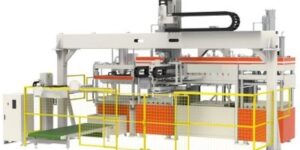
How a Pulp Molding Machine Works — Process Flow & Key Components
To understand the effects of a pulp molding machine, it is helpful to understand the primary steps involved in obtaining raw pulp to a finished product. Despite different machine designs among manufacturers, the core process and constituent parts remain similar.
- Overall description of the Workflow
Highly, the process of molding fibers via a pulp machine involves:
Raw material preparation— obtaining waste paper or fresh pulp, the pulp is pulped and then refined to produce a slurry of pulp.
Slurry pumping and blending—this process involves combining pulp with water and other additives in order to achieve a consistent density of pulp for molding.
Forming / Molding— This procedure involves using molds or forms that are pressed or vacuumed into shape.
Dewatering/drainage — The process of removing the excess water from the pulp mold to allow the fibers to attach to the mold’s shape.
Curing/ drying — the process of molding shapes into their final form (e.g., via hot air drying, steam drying, or heated molds) that leaves the mold with a lack of moisture and increases its strength and consistency.
Demolding and trimming — the process of taking the dried parts of the mold and removing them from the mold, as well as the process of sorting and collecting the finished products.
Quality control and post-harvest treatment— defects must be detected (cracks, partial filling, surface inconsistency), then sealed or ready for distribution.
A modern pulp molding machine automates many of the steps involved in this process, which increases the efficiency, consistency, and throughput of the process compared to manual or semi-automatic methods.
- The essential components of a Pulp Molding Machine are listed below.
Despite different designs, a typical industrial machine used to mold pulp involves the following common components:
Pulp slurry tank: This is the location of the recycled paper or raw pulp that is mixed with water to create a uniform pulp slurry. For larger companies, this may include a pulper, a refiner, a screen that removes impurities (plastics, metals, long fibers), and a system that maintains the fiber suspension.
Slurry pump and feed system: it carries the slurry from the tank to the station that houses the molding, and delivers a consistent concentration of pulp (typically measured in grams per liter) that is necessary for uniform molding.
Molding station (mold, forming unit): the core of the machine — molds that are shaped like the desired product (such as egg trays, fruit trays, seedlings, etc.). Depending on the design, some machines utilize a method of vacuum drawing pulp onto the surface of the mold, while others utilize mechanical pressure or molding that involves the use of a press.
Vacuum system: for use with a vacuum-based mold, this system quickly extracts water from the pulp slurry while fibers remain attached to the mold’s walls. Effective vacuuming or drainage prevents uneven distribution of fibers and the structural integrity of the molded product.
Drying system (hot-air, steam, heated mold, or tunnel dryer): once the fiber is molded, it is wet; the drying process removes water from the fiber, binds the fiber together, and hardens the item. The method of drying affects the production speed, energy expenditure, product hardness, and the final moisture content.
After the drying process, the machines must free up the products from the molds. These products can be released by mechanical means, such as a vibrating table, or by hand, using unload stations that are automated.
Conveying, trimming, and packaging hardware: conveyors transport pre-machined goods to stations that trim the excess fibers or rough edges, then the products are cooled (if necessary), inspected, and packaged or stacked.
Modern pulp machines may have additional capabilities: automated systems that change the mold (for different products), computers that control the density of pulp and the water ratio, automated drying tunnels, quality sensors, waste water recycling or filtration, and energy-efficient modules.
- Example: The Vacuum-Molding Method in detail
Because of its prevalence in the pulp-molding process, a detailed description helps to explain how the machines used to form a vacuum are actually operated:
Pulp slurry is made – recycled paper is pulped, refined, and screened. A consistent slurry with a specific consistency (e.g., 5-7% fiber by weight) is maintained.
Mold embedded in slurry or sprayed with slurry — depending on the design. Some machines imbue the mold with slurry that falls to the floor; others deposit pulp onto the mold’s surface in a spray.
Vacuum used — Vacuum draws water through the mold’s holes, causing fibers to accumulate against the surface of the mold. Water then drains away, forming a layer of wet fibers that conforms to the shape of the mold (e.g., egg-tray cavities).
Drainage stage — The vacuum continues to remove the excess water; a uniform fiber composition is formed. The length is dependent on the design of the mold, the consistency of the slurry, the strength of the vacuum, and the thickness of the product.
Initial de-molding (wet state) — Sometimes, parts that are formed in a mold are removed in wet form (also called “green parts”) and moved to a drying area. In other instances, molds are left, and the drying process takes place on the mold.
Drying/curing – Wet molded parts are dried either on supports, in drying tunnels (thermal), or in ovens/ steam drying. Drying causes the moisture level to be reduced to a safe degree (e.g., between 10 and 15, depending on the product), it binds the fibers, and it ensures mechanical strength.
Completion/paraphrase/quality assessment — dried parts may have rough surfaces or flaws; trimming excess fibers, removing burrs, and final inspection that ensures consistency, uniformity, strength, and the absence of weak spots or structural issues.
After these processes, the molded fibers are prepared for packaging and distribution.
This procedure utilizes recycled fiber, which is consumed water (which can be reused and filtered), and results in biodegradable packaging. Pulp machines that are used for molding are relatively low-powered, sustainable producers of plastic compared to other packaging technologies that are based on plastic.
Typical Products & Applications of Pulp Molding Machines
Understanding the makeup of pulp machines that produce it helps to appreciate their practical importance in the industrial sector. Common molded-fiber products include:
Egg trays and cartons, one of the most common products from pulp manufacturing that are historically popular among egg producers and distributors.
Trays for fruit and vegetables/ fruit bowls – these are used in agriculture to package products like apples, pears, citrus, and other fruits and vegetables. Molded-fiber trays serve as a cushion that produces, stores moisture, and offers ventilation; these are often supplanted by plastic trays in the production of goods.
Food service trays, clamshells, tableware that is reusable, or biodegradable pulp-based containers that are used for take-out, catering, food stands, or environmentally friendly packaging.
Protectional packaging components/adds – for electronics, glass, ceramic, and fragile items – formed-fiber components that cushion and shield during transport, replacing plastic or foam-based components.
Seedling containers, horticulture tables, or pulp-based tables can be biodegradable and therefore suitable for direct soil planting.
Components used in industrial packaging — for machinery, parts, heavy equipment, or pulp molds — are typically designed to support or shield components during transportation or storage.
Other fiber products that are molded, such as components for furniture, containers for storage, or specialty items, are all dependent on the design of the mold.
This versatility is why pulp molding machines are beneficial to multiple industries: agriculture, horticulture, food and retail, e-commerce and logistics, manufacturing, electronics, consumer goods, and more.
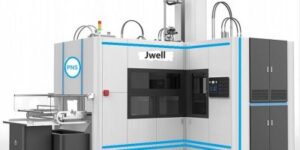
Advantages of Using Pulp Molding Machines & Molded-Fiber Packaging
Why do many organizations choose fiber optic solutions and devote funds to the purchase of pulp machines? The benefits are numerous:
- Environmental Sustainability & the Use of Reused Components
Molded fibers are often derived from recycled paper or waste paper that would otherwise be wasted. This diminishes the need for virgin wood or plastic, the paper is diverted from landfill, and the circular economy is promoted.
The ultimate products are biodegradable, compostable (independent of fiber and supplements), or recyclable, which makes them an environmentally friendly alternative to plastic or Styrofoam packaging.
As communities and environmental regulations seek to reduce the use of single-use plastics and non-biodegradable packaging, molded fiber packaging provides compliance and environmental responsibility.
- Cost-Effectiveness, especially for large volume production.
Raw material (waste paper) is typically less expensive than virgin plastic or foam; after the first investment, the cost per unit is competitive.
For large volume productions — egg dishes, produce dishes, insert packaging — pulp machines that are used for molding have a high throughput, which allows for scale economies.
Lower costs associated with raw materials, plus the simple combination of water and paper pulp, often lead to lower overall costs; this is especially true of recycling and waste-paper sourcing.
- Functional, protective, and versatile packaging solutions
Molded-fiber packaging has the benefit of cushion, shock absorption, moisture absorption (in some designs), and protection for delicate goods – these are appropriate for use in food, produce, glassware, electronics, and machinery parts.
Packed trays or custom-made inserts can adapt to irregular shapes, which makes fiber-based material well-suited for protective inserts that replace foam or plastic.
Because molds can be personalized, manufacturers can create packaging that is specific to the client or product’s specifications— this is not always possible with plastic packaging that is rigid.
- The benefits of regulatory and market leadership in environmentally friendly branding.
For companies wanting to market themselves as environmentally responsible — produce suppliers, food retailers, e-commerce businesses, consumer goods manufacturers — molded fiber offers a tangible way to reduce plastic footprint.
As the number of consumers who are aware of sustainability increases, the packaging of products that is clearly biodegradable or recyclable increases the brand’s popularity, satisfies the requirements of retailers, and may even lead to a premium price.
- Similarity and versatility of technology
Pulp machines that are specifically designed for the production of basic goods like egg dishes or produce dishes are relatively common and are well understood. The barriers to entry are lower in contrast to high-end plastic injection molding or complex vacuuming systems.
For new companies or those with limited to mid-sized operations, pulp molding is a viable approach to packaging production that lacks the high cost or technical requirements of plastic molding.
These benefits explain the continued success of molded-fiber packaging as a strong rival to plastic and foam. Additionally, investment in pulp machines that are designed to mold pulp is still popular today. This is due to environmental concerns and the cost of modern materials.
What to Look for When Selecting or Investing in a Pulp Molding Machine?
For those companies or individuals considering the purchase of a pulp machine for molding (or the creation of a molded fiber production line), the following guidelines should be followed to maximize success and minimize risk:
The quality of the pulp input and the pretreatment capabilities: The capacity to handle various pulp sources — waste paper, fresh pulp, mixed paper — with screening, contamination removal, and control of the fiber length. A machine that has an efficient pulper and a screen will increase the quality of the final product and reduce defects.
The design of the mold should have versatility and a capacity to switch over: Molds should be simple to alter, support the shapes you want (trays, inserts, pots), and have a relatively quick capacity to change over if multiple varieties of product are required. Maintainability of the mold and the ease of maintenance are vital.
Effective drying and dewatering system: The method of drying (steam, hot air, tunnel, or oven) must correspond to your production volume and product specifications. Effective water drainage and drying are crucial to the structural integrity of the building and reduce the number of defects. The energy consumed is also important to control the cost of operation.
Wastewater treatment and environmental controls: If utilizing recycled pulp or waste paper, make sure the line has a filter, a sludge remover, or a fiber return; all of these are necessary to achieve environmental regulations and reduce effluent release.
Automation, speed, and yield control: For commercial success, the machine should have sufficient speed (number of pieces per hour), a reliable yield (minimal rejects), and consistent quality. Automation in the molding, demolding, trimming, and finalizing processes reduces the cost of labor and increases the stability of output.
Flexibility and scalability: The capacity to begin with a modest amount and increase it as demand increases; the ability to add new models, produce different products, and adapt to variations in raw materials.
Cost-benefit analysis that includes raw materials, energy, labor, maintenance, and market demand: Taking all operating costs into account (pulp, water, energy, labor, maintenance), match these costs against the expected demand and price of the product in order to ensure profitability.
By evaluating machines or lines of production potential candidates against these criteria, companies can more effectively determine whether or not a pulp machine is appropriate for their manufacturing or packaging strategies.
Case Studies & Real-World Examples of Pulp Molding Machine Use
Many organizations maintain operations that are proprietary, but there are common patterns in the real world that demonstrate how pulp machines are effectively used.
Egg and tray manufacturing plants: Many small to medium-sized plants across the globe utilize pulp machines to convert waste paper into egg cartons or fruit trays. These plants are intended for use in poultry farming or produce markets. The inexpensive nature of the raw material (recycled paper) and the demand for biodegradable product packaging cause this model to be profitable.
Protectionist packaging for electronics or glass: Packaging companies employ molded fibers to transport items that are fragile, replacing foam or plastic. With the appropriate design of the mold, inserts will be snugly seated, reduce the damage caused by shipping, and provide environmental credentials to clients.
The production of seedlings in the nursery industry and horticulture: Garden centers or nurseries utilize pre-fabricated fiber seedlings that are planted directly into the soil (biodegradable). These substitutes are sustainable compared to plastic pots.
Food-service and tableware producers: With the increasing popularity of compostable tableware (plates, trays, clamshell containers), pulp machines are utilized to create disposable fiber-based tableware for take-out, catering, and food stations – this will meet the environmental and regulatory requirements of reduced plastic usage.
Third-party contract manufacturing for packaging clients: Some packaging manufacturers with pulp machines that act as contractors provide molded-fiber packaging to various clients: agriculture, food, electronics, and transportation. This facilitates the acquisition of sustainable packaging without incurring capital costs.
These examples demonstrate how pulp-forming machines, when properly designed and operated, address a variety of practical packaging and manufacturing issues in real-world applications – often with environmental and economic benefits.
Future Trends & Opportunities in Pulp Molding
As the global movement towards sustainability continues, the number of plastic products is being reduced, the circular economy is being pursued, and regulatory oversight of non-biodegradable packaging is increasing; the future for pulp molding and packaging with fibers appears to be bright. Opportunities and trends that are significant include:
Increasing demand for biodegradable, compostable, and recyclable packaging, especially in food, agriculture, takeout, retail, and electronics, has led to the popularization of molded packaging.
Innovation in the design of molded fibers and their surface treatments- this improves the strength, water resistance, barrier properties, and printing on fiber packaging- this extends the scope of innovation beyond simple trays or inserts to more complex packaging solutions.
The use of automated, high-throughput pulp manufacturing lines — as technology advanced, increased efficiency, improved wastewater treatment, energy-efficient drying, and more effective fiber processing — made the pulp manufacturing process more attractive compared to the plastic manufacturing process.
Integration with waste paper recycling systems – pulp machines can be part of a circular supply chain: collecting paper waste, pulping, molding, packaging – this reduces waste and creates value from recycled materials.
Customization and small-batch production — the demand for custom-fleshed fiber packaging (for artisanal products, small businesses, and niche markets) causes pulp to be a flexible and sustainable alternative to plastic packaging or expensive custom plastic packaging.
Regulative pressure and consumer demand for “green packaging” — As the popularity of “green” products increases, so does the demand for environmentally friendly packaging: fibers may profit from regulations regarding single-use plastics or incentives for sustainability.
These trends indicate that pulp molding machines are not simply a historical remembrance — but rather a contemporary, modern technology that is in line with sustainability, economics, and the changing demands of global packaging.
Wnioski
A pulp molding machine is a powerful, environmentally responsible machine that converts waste paper or fresh pulp into useful, formed fibers. These fibers are used in the production of packaging supplies, inserts, tableware, seedlings, and more. Through a procedure that involves creating a slurry, molding (via a vacuum or mechanical process), drainage, drying, and finalizing, it produces molded-fiber products that are biodegradable, cost-effective, and versatile.
Those involved in manufacturing, packaging, agriculture, food, and logistics, or any other profession that involves sustainability, the investment in a pulp machine that is designed to mold fibers (or the acquisition of pre-molded fibers) is beneficial: lower costs of raw materials, recyclability, environmental compliance, and broad applicability to industries.
Additionally, successful operation is dependent on taking care to ensure the quality of pulp is maintained, the process of control (molding, drainage, drying), wastewater management, mold maintenance, and demand for the product; all of these are considered.
The increasing popularity of the circular economy and the increasing importance of plastic in the regulation of fibers has led to a greater importance of pulp machines in the future of environmentally friendly packaging and fiber manufacturing.



 English
  Russian
  Spanish
  Arabic
  German
  French
  Persian
  Turkish
  Bulgarian
  Czech
Czech  Dutch
Dutch  Greek
Greek  Indonesian
  Japanese
  Korean
  Polish
  Portuguese
  Romanian
  Slovenian
  Ukrainian