Suzhou Jwell Machinery Co., Ltd.. is a large-scale plastic extrusion machinery manufacturer in China. The company produces more than 2,000 advanced extrusion production lines each year. Its products are exported to all over the world, including Germany, the United States, Japan, Spain and other developed countries. Today, we will introduce Suzhou Jwell Machinery’s extruder products in detail. If you are interested, let’s learn about it together!
Τι είναι ο εξωθητής;
An extruder is a mechanical device that continuously transports, melts and extrudes raw materials (such as plastics, metals, foods, etc.) from a mold by heating, pressurizing, shearing and pushing. It is widely used in plastic processing, rubber molding, food manufacturing, metal molding, cable coating and other fields.
In the plastics industry, extruders are key equipment for the production of sheets, films, pipes, profiles, hollow products, granular materials and other products. Due to its advantages of high degree of automation, large output, strong continuity and strong customizability, it has become an indispensable core equipment in modern manufacturing.
Jwell Extruder Introduction
1、Γραμμή εξώθησης φυσητής ταινίας
Η Γραμμή Εξόδου Φυσημένων Ταινιών είναι μια μηχανή παραγωγής ειδικά σχεδιασμένη για την κατασκευή πλαστικών ταινιών. Η διαδικασία χρήσης μιας μηχανής φυσημένων ταινιών για την κατασκευή πλαστικών ταινιών περιλαμβάνει το λιώσιμο πλαστικών ρεζίνας σε κόκκους και την έξοδό τους μέσω ενός κυκλικού μολύβιου σε ένα υγρό πλαστικό σωλήνα. Αυτός ο σωλήνας φουσκώνει, διογκώνεται σαν μπαλόνι σε συγκεκριμένο μέγεθος και πάχος. Όταν κρυώσει, επιπεδώνεται και τυλίγεται σε ρολό. Αυτή η διαδικασία ονομάζεται εξόδος φυσημένων ταινιών και χρησιμοποιείται για την παραγωγή πλαστικών ταινιών με συνεπές πάχος και ποιότητα.
Η Γραμμή Εξόδου Φυσημένων Ταινιών παίζει κύριο ρόλο στην παραγωγή πλαστικών ταινιών, αναλαμβάνοντας την επίβλεψη ολόκληρης της διαδικασίας, από το λιώσιμο της πλαστικής ρεζίνας μέχρι το τυλίγματος του τελικού προϊόντος σε ρολά. Αυτή η μηχανή διαθέτει αρκετά βασικά συστατικά, συμπεριλαμβανομένων του εξοδικού, του μολυβιού, του δακτυλίου αερίου, του πιεστικού ρολού και του τυλικτήρα. Κάθε συστατικό είναι σχεδιασμένο να εκτελεί μια συγκεκριμένη λειτουργία, όπως η θέρμανση και το λιώσιμο της πλαστικής ρεζίνας, η διαμόρφωση και ψύξη του υγρού πλαστικού σε σωλήνα, καθώς και το τυλίγματος της τελικής πλαστικής ταινίας σε ρολά.
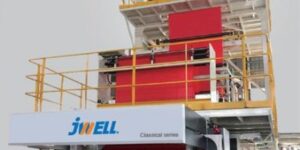
Jwell Board Extrusion Line is compact in structure and superior in performance. The screw and barrel are optimized in design and are professionally processed with high-performance alloy steel so that the entire production line has the advantages of uniform plasticization, stable extrusion, and long life.
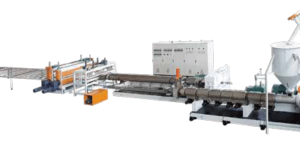
Μια γραμμή εξόδου ταινιών είναι μια διαδικασία κατασκευής που παράγει πλαστικές ταινίες χρησιμοποιώντας έναν εξωθητή. Η διαδικασία ξεκινά με την πέλλετα της πλαστικής πρώτης ύλης, η οποία στη συνέχεια τροφοδοτείται σε έναν εξωθητή. Στη συνέχεια, το υλικό λιώνει, φιλτράρεται και πιέζεται μέσω μιας μούφας για να σχηματίσει μια συνεχή ταινία. Η ταινία στη συνέχεια ψύχεται, απλώνεται και τυλίγεται σε ρολά για περαιτέρω επεξεργασία ή συσκευασία. Η γραμμή εξόδου ταινιών χρησιμοποιείται για την παραγωγή διαφόρων πλαστικών ταινιών, όπως LDPE, HDPE, PVC, PP ταινία κ.ά., οι οποίες χρησιμοποιούνται ευρέως στη συσκευασία, τη γεωργία, την κατασκευή και άλλες βιομηχανίες.
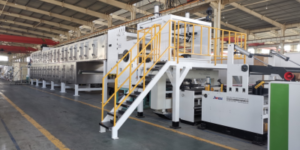
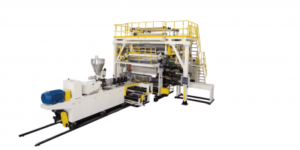
Η γραμμή εξόδου δαπέδων είναι ένα δημοφιλές προϊόν της μηχανοστασίου jwell. Χρησιμοποιεί εξορυκτήρες για να παράγει συνεχείς και ομοιόμορφες φύλλες από πλαστικό, PVC ή άλλα υλικά, οι οποίες στη συνέχεια διαμορφώνονται σε διάφορα είδη προϊόντων δαπέδων, όπως πλακάκια, πλάκες ή ρολάκια. Η διαδικασία περιλαμβάνει την έγχυση της πρώτης ύλης σε εξορυκτήρα και την πίεση της μέσω μιας μολύβδου που καθορίζει το τελικό σχήμα και μέγεθος του προϊόντος. Οι παραγόμενες πλάκες στη συνέχεια ψύχονται, κόβονται και κοπούν σε μήκος πριν συσκευαστούν και αποσταλούν στους πελάτες.
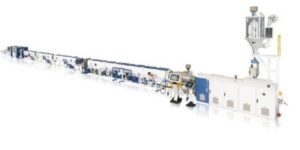
Η μηχανή εξόδου σωλήνων PP PPR PE PVC μπορεί να είναι μονόβιντος ή διβιντος εξόδου.
Ο μονόβιντος εξόδου μεταφέρει τα υλικά με τριβή, και η επίδρασή του στην έγχυση και πλαστικοποίηση δεν είναι τόσο καλή όσο η διβιντος εξόδου, αλλά το κόστος είναι πολύ χαμηλό.
Προς το παρόν, τα χονδροκόκκια πολυαιθυλενίου και πολυπροπυλενίου σχηματίζονται γενικά με μονόβιντος εξόδου. Οι περισσότεροι βίντοι δεν είναι συμβατικοί τριών τμημάτων με πλήρη σπείρωμα, αλλά προστίθενται στο βίντο στοιχεία ανάμιξης για να ενισχύσουν την ανάμιξη και την πλαστικοποίηση.
Η πρώτη ύλη του πολυβινυλοχλωριδίου βρίσκεται σε σκόνη. Αν παραχθεί με μονόβιντος εξόδου, πρέπει να αναμιχθεί και να γρανολογηθεί εκ των προτέρων, γεγονός που αυξάνει την παραγωγική διαδικασία.
Επομένως, η σημερινή παραγωγή σκόνης PVC χρησιμοποιεί άμεσα διβιντος εξόδου κωνικού σχήματος για ανάμιξη και κατασκευή. Κατά το σχεδιασμό ή την επιλογή του βίντου της μηχανής εξόδου σωλήνων PVC, η δομή και οι παράμετροι του πρέπει να λαμβάνουν υπόψη τη θερμοευαίσθητη απόδοση του PVC (ειδικά του σκληρού PVC).
Jwell Pipe Extrusion Line is able be easily controlled. With stable performance, pipelines can keep high efficient output capacity. Further, that PP PPR PE PVC pipe extruder machine’s long service life is also the reason that you can trust Jwell.
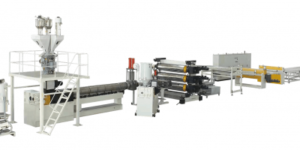
Η γραμμή εξόδου πλακών περιλαμβάνει τροφοδότη, εξωθητή, κάλυκα, τρίαινο χάλικα, στήριγμα ψύξης, συσκευή διαμόρφωσης, τρακτέρ, συσκευή λαμιναρίσματος, συσκευή ανάρτησης μεμβράνης, μηχανή κοπής, μεταφορέα, μανιπουλατόρ και θερμοστάτη θερμοκρασίας ρολών.
Τα προϊόντα από το έξοδο της εξόδου πλακών μέχρι την επεξεργασία τελικών προϊόντων και τη συλλογή ολοκληρώνονται αυτόματα σε μία γραμμή, με υψηλή αποδοτικότητα παραγωγής, ελάχιστη χρήση χειρονομιών και γρήγορη και σταθερή διαμόρφωση φύλλων.
Η γραμμή εξόδου προφίλ Jwell χρησιμοποιεί πρώτες ύλες για την κατασκευή υψηλής ποιότητας εξωθημένων προϊόντων, τα οποία χρησιμοποιούνται για τη στήριξη της οικοδομικής, δαπέδων ή βιομηχανίας παιχνιδιών.
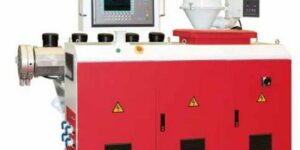
Η γραμμή εξόδου ράβδων JWELL είναι ένας αποτελεσματικός, ευέλικτος και εξοικονομητής ενέργειας προηγμένος εξοπλισμός που χρησιμοποιεί τη διαδικασία εξόδου για την κατασκευή διαφόρων τύπων πλαστικών προϊόντων, συμπεριλαμβανομένων σωλήνων, πλακών και προφίλ. Οι χαρακτηριστικά της περιλαμβάνουν υψηλής ταχύτητας παραγωγικές δυνατότητες, ποικιλία στην προσαρμογή των προϊόντων, προσεκτικά συστήματα ελέγχου, καθώς και εξοικονόμηση ενέργειας και φιλικά προς το περιβάλλον χαρακτηριστικά. Χρησιμοποιείται ευρέως στον τομέα της παραγωγής πλαστικών προϊόντων, δημιουργώντας σημαντικά οικονομικά οφέλη για τους πελάτες και αποτελεί μια ιδανική επιλογή παραγωγικού εξοπλισμού.
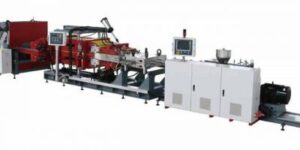
A sheet extrusion line includes an extruder (double or single screw), outfitted with a screen changer plus a gear pump, followed closely with a static mixer (occasionally feeding a coextrusion feed block that’s preceded by one or more added extruders sets as explained previously ), feeding a level sheet expire.
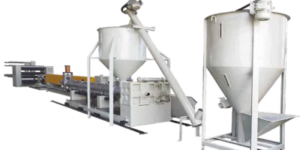
How does an extruder work?
The working process of an extruder mainly includes feeding, plasticizing, melting, compression, metering, molding and other links, which are usually completed by the following core components:
Hopper: The raw materials enter the equipment from here;
Βίδα: Rotates under the drive of the motor, pushes the material forward and melts it under heat;
Βαρέλι: Provides wrapping space for the screw and is equipped with a heating system;
Heating zone and cooling system: Control the temperature in sections to ensure stable processing of materials;
Die: Determines the shape of the product;
Traction device, cooling device: Assists in product shaping and output.
The principle of extrusion is to heat and melt the thermoplastic material under pressure, and continuously extrude and mold it, which can achieve efficient and large-scale production.
Extruder process flow
The following table shows the standard process flow of general plastic extrusion processing:
Raw material preparation: material drying, premixing, and impurity removal
Feeding: Put the raw materials into the hopper
Screw feeding and heating: Push and gradually heat to the set temperature through the screw
Melting and mixing: The material is fully melted and mixed evenly at high temperature
Metering and compression: Control the output to ensure product consistency
Mold forming: Press out the product shape through the mold, such as film, pipe, granules, etc.
Cooling and traction: Use air cooling, water cooling or vacuum cooling system for rapid shaping
Cutting and winding: The product is cut or wound according to specifications
The entire process is highly automated and suitable for manufacturing scenarios with strong continuity.
What does the extruder do?
The core functions of the extruder are as follows:
Material melting and plasticization: With the help of screw shearing and electric heating functions, solid materials are transformed into processable melts;
Material transportation and homogenization: High-efficiency continuous advancement, while mixing different components of raw materials;
Pressure construction: Increasing pressure through the metering section allows the melt to pass through the mold smoothly;
Continuous molding: Different mold structures determine the final shape of the product, such as diaphragms, pipes, sheets, etc.;
Control stability: The consistency of product quality can be controlled by parameter settings (temperature, pressure, speed).
In short, the extruder is the “core processing engine” that converts raw materials into functional end products.
How to remove consumables from the extruder?
When replacing consumables or maintenance, residual materials need to be removed from the extruder. The following are the general steps:
Stop feeding: turn off the hopper feed;
Empty the raw materials: continue to run the screw to push out the remaining raw materials in the barrel;
Add purging compound: special purging compound helps dissolve the residue;
Run idly for a few minutes: let the purging compound fully contact the entire screw and barrel;
Remove the die head (if necessary) :for physical cleaning;
Wait for cooling: After the temperature drops to a safe range, clean the residue manually.
Precautions:
Wear protective gloves and goggles during operation;
Avoid disassembling the mold when the screw is not stopped;
Some high-temperature materials such as PVC and PBT need to be cleaned by professionals to prevent poisoning or corrosion.
Main application areas of extruders
Extruders are widely used in the molding and processing of various raw materials. The following are the main areas:
Plastic processing: continuous products such as pipes, profiles, plates, films, cable sheaths, etc.
Packaging material manufacturing: multi-layer co-extruded films, shrink films, foam materials, heat-sealed films, etc.
Βιομηχανία τροφίμων: noodles, puffed food, pet feed, energy bars, etc.
Rubber and seal manufacturing: automotive rubber strips, O-rings, shock-absorbing pads
Medical materials and consumables: medical hoses, catheters, infusion tubes, experimental consumables
Metal extrusion: aluminum profiles, copper tubes, alloy plates
3D printing consumables: preparation of wires such as PLA/ABS/TPU
Environmentally friendly materials: biodegradable films, EVA solar films, recycled plastic granulation
Comparative analysis of different types of extruders
| Production Line Type | Main Material | Final Product | Βασικά χαρακτηριστικά | Τυπικές εφαρμογές | Die Structure |
| Γραμμή εξώθησης φυσητής ταινίας | LDPE, LLDPE, HDPE, EVA | Plastic films | Film is blown vertically by air ring; high transparency possible | Packaging, agricultural film, bags | Circular blown die |
| Γραμμή εξώθησης φύλλων | PP, PS, PET, ABS | Sheets (1–10mm thickness) | Uniform thickness, wide format possible | Packaging trays, folders, signage | Flat T-die |
| Cast Film Extrusion Line | PP, PE, CPP, BOPP | Thin plastic films | Fast cooling, high gloss and clarity | Food packaging, stretch film, protective film | Flat die + chill roll |
| Flooring Extrusion Line | PVC, SPC, WPC, PP | Flooring panels (multi-layer) | Rigid, multilayer co-extrusion | Vinyl flooring, laminate floors, click floors | Complex die + calender rollers |
| Γραμμή εξώθησης σωλήνων | PVC, PE, PPR, PEX | Pipes/tubes (Ø5–1000mm) | Stable pressure, sizing sleeve cooling | Water pipes, gas pipes, conduit systems | Pipe die + vacuum tank |
| Γραμμή εξώθησης προφίλ | PVC, ABS, ASA, WPC | Complex cross-section profiles | Customizable mold shapes, continuous profile | Window frames, cable ducts, wall panels | Profile die |
| Γραμμή Έξυσης Ράβδων | Nylon, PTFE, PP, POM | Solid plastic rods | Compact structure, used in CNC machining | Industrial parts, gears, sealing rods | Circular or annular die |
| Γραμμή Έξυσης Φύλλων | HDPE, UHMWPE, PP | Thick plates (10–60mm) | High rigidity, used in heavy industries | Chemical tanks, cutting boards, liners | Wide flat die + 3-roll stack |
| Sheet (Thin) Extrusion Line | PETG, PVC, PS | Thin sheets (0.2–2mm) | Fast production, ideal for thermoforming | Display covers, blister packaging | Flat die + cooling rolls |
Συμπέρασμα
As a key equipment for continuous, efficient and automated material forming in modern industry, extruder has been widely used in many industries. It is not only the main equipment in the plastics industry, but also plays an important role in food, medical, rubber, metal and even environmental protection.
When choosing an extruder, enterprises should consider the selection based on factors such as raw material type, target product form, output demand, budget range, etc. At the same time, in order to ensure efficient operation of the equipment and extend its service life, it is necessary to combine scientific operating procedures and regular maintenance strategies.
With the development of new materials and the upgrading of intelligent manufacturing, extrusion technology in the future will tend to be highly intelligent, highly integrated, energy-saving and environmentally friendly, and multi-functional, which will further promote the evolution of the industry.




 English
  Russian
  Spanish
  Arabic
  German
  French
  Persian
  Turkish
  Bulgarian
  Czech
Czech  Dutch
Dutch  Greek
Greek  Indonesian
  Japanese
  Korean
  Polish
  Portuguese
  Romanian
  Slovenian
  Ukrainian