
سوتشو Jwell Machinery Co. ، Ltd. is a large-scale plastic extrusion machinery manufacturer in China. The company produces more than 2,000 advanced extrusion production lines each year. Its products are exported to all over the world, including Germany, the United States, Japan, Spain and other developed countries. Today, we will introduce Suzhou Jwell Machinery’s extruder products in detail. If you are interested, let’s learn about it together!
ما هو الطارد؟
An extruder is a mechanical device that continuously transports, melts and extrudes raw materials (such as plastics, metals, foods, etc.) from a mold by heating, pressurizing, shearing and pushing. It is widely used in plastic processing, rubber molding, food manufacturing, metal molding, cable coating and other fields.
In the plastics industry, extruders are key equipment for the production of sheets, films, pipes, profiles, hollow products, granular materials and other products. Due to its advantages of high degree of automation, large output, strong continuity and strong customizability, it has become an indispensable core equipment in modern manufacturing.
Jwell Extruder Introduction
خط بثق الغشاء المنفوخ هو عبارة عن معدات تصنيع مصممة خصيصًا لإنتاج الأغشية البلاستيكية. تتضمن عملية استخدام ماكينة نفخ الأغشية المنفوخة لصناعة الأغشية البلاستيكية صهر كريات الراتنج البلاستيكية وبثقُها من خلال قالب دائري في أنبوب بلاستيكي منصهر. يتم نفخ هذا الأنبوب، فينتفخ مثل البالون إلى حجم وسمك محددين. وعندما يبرد، يتم تسطيحه ولفه في لفة. وتسمى هذه العملية بثق الغشاء المنفوخ، وتستخدم لإنتاج أغشية بلاستيكية ذات سماكة وجودة متسقة.
يلعب خط بثق الأغشية المنفوخة دورًا رئيسيًا في إنتاج الأغشية البلاستيكية، حيث يهتم بالعملية بأكملها بدءًا من صهر الراتنج البلاستيكي وحتى دحرجة المنتج النهائي على شكل لفائف. تحتوي هذه الماكينة على العديد من المكونات الرئيسية، بما في ذلك الطارد، والقالب، وحلقة الغاز، وبكرة الضغط، والملف. تم تصميم كل مكون لأداء وظيفة محددة، مثل تسخين وصهر راتنج البلاستيك، وتشكيل وتبريد البلاستيك المنصهر في أنبوب، ولف الفيلم البلاستيكي النهائي على شكل لفائف.
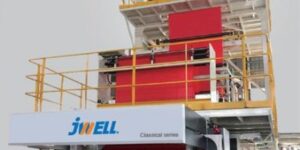
خط بثق الألواح Jwell هو هيكل مدمج ومتفوق في الأداء. تم تحسين اللولب والبرميل في التصميم ومعالجتهما بشكل احترافي باستخدام سبائك الصلب عالية الأداء بحيث يتمتع خط الإنتاج بأكمله بمزايا التليين المنتظم ، والبثق المستقر ، والعمر الطويل.
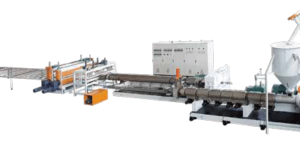
خط بثق الفيلم البلاستيكي هو عملية تصنيع تنتج أغشية بلاستيكية باستخدام الطارد. تبدأ العملية بتكوير المواد الخام البلاستيكية ، والتي يتم بعد ذلك إدخالها في الطارد. يتم بعد ذلك إذابة المادة وتصفيتها وإجبارها من خلال قالب لتشكيل فيلم مستمر. ثم يتم تبريد الفيلم ، وتسويته ، ولفه على لفات لمزيد من المعالجة أو التعبئة. يتم استخدام خط بثق الفيلم البلاستيكي لإنتاج أغشية بلاستيكية متنوعة مثل LDPE ، HDPE ، PVC ، PP film ، إلخ ، والتي تستخدم على نطاق واسع في التعبئة والتغليف والزراعة والبناء وغيرها من الصناعات.
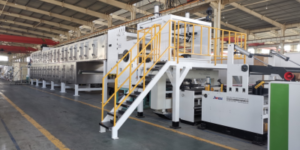
يعتبر خط بثق الأرضيات منتجًا شائعًا لآلات jwell ، ويستخدم آلات البثق لإنتاج صفائح مستمرة وموحدة من البلاستيك أو PVC أو مواد أخرى ، والتي يتم تشكيلها بعد ذلك إلى أنواع مختلفة من منتجات الأرضيات مثل البلاط أو الألواح أو القوائم. تتضمن العملية صهر المواد الخام في الطارد ودفعها خلال قالب يحدد الشكل والحجم النهائيين للمنتج. يتم بعد ذلك تبريد الألواح الناتجة وتقطيعها وتقطيعها إلى الطول قبل تعبئتها وشحنها للعملاء.
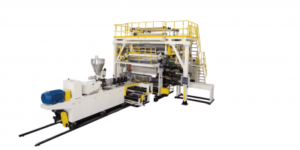
يمكن أن تكون آلة بثق الأنبوب PPR PE PVC عبارة عن آلة بثق لولبية واحدة أو بثق برغي مزدوج.
ينقل الطارد أحادي اللولب المواد عن طريق الاحتكاك ، وتأثير الانصهار والتلدين ليس جيدًا مثل الطارد ثنائي اللولب ، ولكن التكلفة منخفضة جدًا.
في الوقت الحاضر ، تتشكل كريات البولي إيثيلين والبولي بروبيلين بشكل عام بواسطة آلات بثق أحادية اللولب. معظم المسامير اللولبية ليست براغي تقليدية كاملة الخيوط من ثلاثة أقسام ، ولكن تتم إضافة عناصر الخلط إلى المسمار لتعزيز تأثير الخلط والتلدين.
المادة الخام للبولي فينيل كلوريد في شكل مسحوق. إذا تم إنتاجه بواسطة آلة بثق لولبية واحدة ، فيجب خلطها وتحبيبها مسبقًا ، مما يزيد من عملية الإنتاج.
لذلك ، فإن الإنتاج الحالي لمسحوق PVC يستخدم مباشرة آلة بثق ثنائية اللولب مخروطية للخلط والقولبة. عند تصميم أو اختيار برغي الطارد لآلة بثق الأنبوب PVC ، يجب أن يأخذ هيكله ومعلماته في الاعتبار الأداء الحساس للحرارة لـ PVC (خاصة PVC الصلب).
Jwell Pipe Extrusion Line is able be easily controlled. With stable performance, pipelines can keep high efficient output capacity. Further, that PP PPR PE PVC pipe extruder machine’s long service life is also the reason that you can trust Jwell.
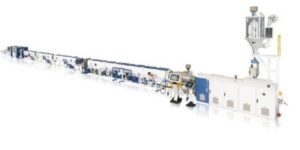
يشتمل خط بثق الألواح على وحدة التغذية ، والطارد ، والقالب ، والتقويم ثلاثي الأسطوانات ، وقوس التبريد ، وجهاز التشذيب ، والجرار ، وجهاز التصفيح ، وجهاز تعليق الفيلم ، وآلة القص ، والناقل ، والمعالج ، وجهاز التحكم في درجة حرارة لفة.
يتم إكمال المنتجات من قولبة البثق إلى معالجة المنتجات النهائية إلى التجميع تلقائيًا في سطر واحد ، مع كفاءة إنتاج عالية ، واستخدام يدوي قليل جدًا ، وتشكيل سريع ومستقر للصفائح.
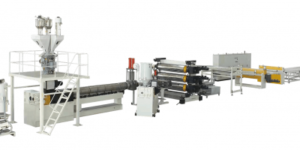
تستخدم خطوط بثق ملف التعريف Jwell المواد الخام لتصنيع منتجات مبثوقة عالية الجودة ، والتي تُستخدم لدعم صناعة البناء أو الأرضية أو اللعب.
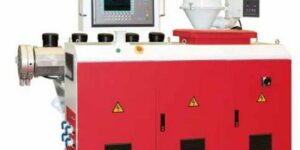
خط بثق القضبان JWELL Rod هو عبارة عن معدات متطورة فعالة ومرنة وموفرة للطاقة تستخدم عملية البثق لتصنيع أنواع مختلفة من المنتجات البلاستيكية، بما في ذلك الأنابيب والألواح والمقاطع الجانبية. تشمل ميزاته قدرات الإنتاج عالية السرعة، والقدرة على التكيف مع المنتجات المتنوعة، وأنظمة التحكم الدقيقة، والميزات الموفرة للطاقة والصديقة للبيئة. وهي تُستخدم على نطاق واسع في مجال إنتاج المنتجات البلاستيكية، مما يحقق فوائد اقتصادية كبيرة للعملاء، وهي خيار مثالي لمعدات الإنتاج.
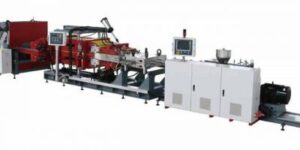
A sheet extrusion line includes an extruder (double or single screw), outfitted with a screen changer plus a gear pump, followed closely with a static mixer (occasionally feeding a coextrusion feed block that’s preceded by one or more added extruders sets as explained previously ), feeding a level sheet expire.
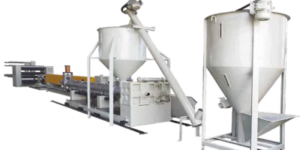
How does an extruder work?
The working process of an extruder mainly includes feeding, plasticizing, melting, compression, metering, molding and other links, which are usually completed by the following core components:
Hopper: The raw materials enter the equipment from here;
برغي: Rotates under the drive of the motor, pushes the material forward and melts it under heat;
البرميل: Provides wrapping space for the screw and is equipped with a heating system;
Heating zone and cooling system: Control the temperature in sections to ensure stable processing of materials;
Die: Determines the shape of the product;
Traction device, cooling device: Assists in product shaping and output.
The principle of extrusion is to heat and melt the thermoplastic material under pressure, and continuously extrude and mold it, which can achieve efficient and large-scale production.
Extruder process flow
The following table shows the standard process flow of general plastic extrusion processing:
Raw material preparation: material drying, premixing, and impurity removal
التغذية: Put the raw materials into the hopper
Screw feeding and heating: Push and gradually heat to the set temperature through the screw
Melting and mixing: The material is fully melted and mixed evenly at high temperature
Metering and compression: Control the output to ensure product consistency
Mold forming: Press out the product shape through the mold, such as film, pipe, granules, etc.
Cooling and traction: Use air cooling, water cooling or vacuum cooling system for rapid shaping
Cutting and winding: The product is cut or wound according to specifications
The entire process is highly automated and suitable for manufacturing scenarios with strong continuity.
What does the extruder do?
The core functions of the extruder are as follows:
Material melting and plasticization: With the help of screw shearing and electric heating functions, solid materials are transformed into processable melts;
Material transportation and homogenization: High-efficiency continuous advancement, while mixing different components of raw materials;
Pressure construction: Increasing pressure through the metering section allows the melt to pass through the mold smoothly;
Continuous molding: Different mold structures determine the final shape of the product, such as diaphragms, pipes, sheets, etc.;
Control stability: The consistency of product quality can be controlled by parameter settings (temperature, pressure, speed).
In short, the extruder is the “core processing engine” that converts raw materials into functional end products.
How to remove consumables from the extruder?
When replacing consumables or maintenance, residual materials need to be removed from the extruder. The following are the general steps:
Stop feeding: turn off the hopper feed;
Empty the raw materials: continue to run the screw to push out the remaining raw materials in the barrel;
Add purging compound: special purging compound helps dissolve the residue;
Run idly for a few minutes: let the purging compound fully contact the entire screw and barrel;
Remove the die head (if necessary) :for physical cleaning;
Wait for cooling: After the temperature drops to a safe range, clean the residue manually.
Precautions:
Wear protective gloves and goggles during operation;
Avoid disassembling the mold when the screw is not stopped;
Some high-temperature materials such as PVC and PBT need to be cleaned by professionals to prevent poisoning or corrosion.
Main application areas of extruders
Extruders are widely used in the molding and processing of various raw materials. The following are the main areas:
Plastic processing: continuous products such as pipes, profiles, plates, films, cable sheaths, etc.
Packaging material manufacturing: multi-layer co-extruded films, shrink films, foam materials, heat-sealed films, etc.
صناعة الأغذية: noodles, puffed food, pet feed, energy bars, etc.
Rubber and seal manufacturing: automotive rubber strips, O-rings, shock-absorbing pads
Medical materials and consumables: medical hoses, catheters, infusion tubes, experimental consumables
Metal extrusion: aluminum profiles, copper tubes, alloy plates
3D printing consumables: preparation of wires such as PLA/ABS/TPU
Environmentally friendly materials: biodegradable films, EVA solar films, recycled plastic granulation
Comparative analysis of different types of extruders
| Production Line Type | Main Material | المنتج النهائي | الميزات الرئيسية | التطبيقات النموذجية | Die Structure |
| مهب فيلم النتوء الخط | LDPE, LLDPE, HDPE, EVA | Plastic films | Film is blown vertically by air ring; high transparency possible | Packaging, agricultural film, bags | Circular blown die |
| صفح بثق خط | PP, PS, PET, ABS | Sheets (1–10mm thickness) | Uniform thickness, wide format possible | Packaging trays, folders, signage | Flat T-die |
| Cast Film Extrusion Line | PP, PE, CPP, BOPP | Thin plastic films | Fast cooling, high gloss and clarity | Food packaging, stretch film, protective film | Flat die + chill roll |
| Flooring Extrusion Line | PVC, SPC, WPC, PP | Flooring panels (multi-layer) | Rigid, multilayer co-extrusion | Vinyl flooring, laminate floors, click floors | Complex die + calender rollers |
| خط بثق الأنابيب | PVC, PE, PPR, PEX | Pipes/tubes (Ø5–1000mm) | Stable pressure, sizing sleeve cooling | Water pipes, gas pipes, conduit systems | Pipe die + vacuum tank |
| قطاع جانبي بثق خط | PVC, ABS, ASA, WPC | Complex cross-section profiles | Customizable mold shapes, continuous profile | Window frames, cable ducts, wall panels | Profile die |
| خط بثق القضبان | Nylon, PTFE, PP, POM | Solid plastic rods | Compact structure, used in CNC machining | Industrial parts, gears, sealing rods | Circular or annular die |
| خط بثق الألواح | HDPE, UHMWPE, PP | Thick plates (10–60mm) | High rigidity, used in heavy industries | Chemical tanks, cutting boards, liners | Wide flat die + 3-roll stack |
| Sheet (Thin) Extrusion Line | PETG, PVC, PS | Thin sheets (0.2–2mm) | Fast production, ideal for thermoforming | Display covers, blister packaging | Flat die + cooling rolls |
خاتمة
As a key equipment for continuous, efficient and automated material forming in modern industry, extruder has been widely used in many industries. It is not only the main equipment in the plastics industry, but also plays an important role in food, medical, rubber, metal and even environmental protection.
When choosing an extruder, enterprises should consider the selection based on factors such as raw material type, target product form, output demand, budget range, etc. At the same time, in order to ensure efficient operation of the equipment and extend its service life, it is necessary to combine scientific operating procedures and regular maintenance strategies.
With the development of new materials and the upgrading of intelligent manufacturing, extrusion technology in the future will tend to be highly intelligent, highly integrated, energy-saving and environmentally friendly, and multi-functional, which will further promote the evolution of the industry.




 English
  Russian
  Spanish
  Arabic
  German
  French
  Persian
  Turkish
  Bulgarian
  Czech
Czech  Dutch
Dutch  Greek
Greek  Indonesian
  Japanese
  Korean
  Polish
  Portuguese
  Romanian
  Slovenian
  Ukrainian