
Abstract:
In contemporary polymer processing and industrial manufacturing, the ekstruder is among the most crucial machines employed to convert raw materials into continuous forms like pipes, sheets, films, and profiles.
Extrusion technology plays a critical role in industries including plastics, packaging, construction, automotive, and medical manufacturing.
Among global extrusion equipment manufacturers, Jwell Machinery has built a solid reputation for creating advanced plastic extrusion systems used in various industries. The company, originally founded in China and now operating worldwide, designs and produces extrusion machinery for applications such as plastic pipes, sheets, films, plates, profiles, and recycling systems. Its technology combines modern automation, efficient screw designs, and energy-saving control systems to satisfy the growing need for high-performance extrusion solutions.
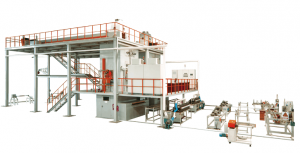
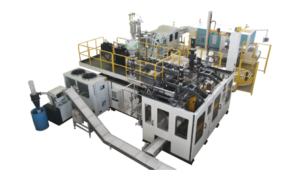
A Ekstruder Jwell is a piece of extrusion equipment created by Jwell for processing polymer materials like PVC, PE, PP, PET, and other thermoplastics. These machines are designed to provide uniform melting, mixing, and shaping of materials using specially designed screws, barrels, and dies.
This comprehensive guide explains the definition, purpose, types, working principles, and applications of Jwell extruders. It also examines extrusion technology trends, machine components, and industrial use cases. It aims to provide manufacturers, engineers, and procurement professionals with a deep understanding of how extruders operate and why they remain essential in modern industrial production.
What Is an Extruder?
An extruder is a machine used in industry to shape materials by pushing them through a die with a specific form. In plastic manufacturing, the extruder heats raw polymer and forces it through a die to produce continuous items with consistent cross-sectional shapes.
Extruders are commonly employed in the production of items such as:
- Plastic pipes
- Plastic sheets and plates
- Plastic films
- Profiles and tubing
- Bahan kemasan
The extrusion process enables manufacturers to efficiently create long, continuous products while ensuring consistent dimensions and material characteristics.
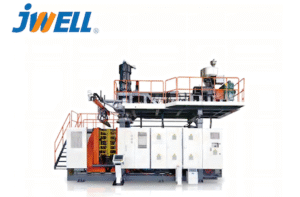
Definition of a Jwell Extruder
A Jwell extruder specifically refers to extrusion machinery manufactured by Jwell Machinery, intended for large-scale industrial polymer processing.
Jwell extruders feature advanced engineering elements such as:
- High-precision screw and barrel systems
- Intelligent temperature control systems
- High-torque gearboxes
- Energy-efficient motors
- Automated control interfaces
These machines are built to handle a broad spectrum of thermoplastic materials while ensuring stable output and high production efficiency.
Key Components of an Extruder
To understand how a Jwell extruder works, it is important to examine the core components that make up the system.
Main Extruder Components
| Komponen | Fungsi |
| Hopper | Feeds raw material into the machine |
| Laras | Contains the screw and heating zones |
| Sekrup | Transports and melts the material |
| Heater bands | Provide thermal energy for melting |
| Cetakan | Shapes the final product |
Each component plays an essential role in ensuring consistent material processing and product quality.
How an Extruder Works?
An extruder functions by melting and forming raw materials via a continuous mechanical process. The equipment usually includes a hopper, screw, heated barrel, and shaping die.
Basic working process:
- Pemberian Bahan
Raw materials like plastic pellets or powders are loaded into the hopper and move into the extruder’s barrel.
- Melting and Conveying
A rotating screw inside the barrel advances the material, while heaters increase the temperature. The heat and mechanical shear work together to slowly melt and mix the material evenly.
- Pressurization and Mixing
As the material advances along the screw, it is completely melted and uniformly blended, resulting in a consistent melt appropriate for shaping.
- Shaping Through the Die
The molten material is pushed through a specially designed die that defines the final cross-sectional shape of the product, such as film, pipes, sheets, or profiles.
- Cooling and Solidification
After exiting the die, the material is cooled using air or water systems to stabilize its final structure.
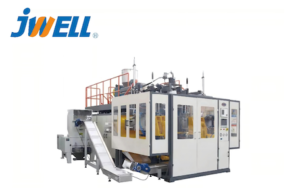
Purpose of Extrusion Machines
Extrusion machines are built to continuously convert raw materials into consistent products with uniform cross-sections. Their primary goal is to facilitate efficient, large-scale manufacturing with accurate control over the dimensions and properties of the products.
Key purposes include:
- Continuous Manufacturing – Creating materials in extended, uninterrupted lengths.
- Material Processing – Melting, blending, and forming polymers or other substances.
- High Production Efficiency – Assisting automated and high-volume production systems.
- Product Consistency – Guaranteeing consistent thickness, density, and structure.
- Versatile Material Compatibility – Handling plastics, rubber, food materials, and composites.
Extrusion technology is crucial in contemporary manufacturing, particularly in plastics, packaging, and construction materials.
Types of Jwell Extruders
Extrusion machines are available in several configurations depending on the material and application requirements.
Main Types of Extruders
| Jenis Pengekstrusi | Characteristics | Aplikasi Khas |
| Pengekstrusi sekrup tunggal | Simple design | Pipe and sheet production |
| Ekstruder sekrup kembar | High mixing capability | Compounding |
| Conical twin-screw extruder | Strong compression | PVC processing |
| Parallel twin-screw extruder | High output | Profile extrusion |
Each type offers different performance advantages depending on the processing requirements.
Pengekstrusi Sekrup Tunggal
Single-screw extruders are the most common type of extrusion machine used in plastic processing. They feature a single rotating screw within a heated barrel that moves and melts polymer materials.
Advantages include:
- Simple design
- Lower cost
- Easy maintenance
- Reliable operation
These extruders are commonly used for manufacturing pipes, sheets, and films.
Pengekstrusi Sekrup Kembar
Twin-screw extruders use two intermeshing screws to process materials.
This configuration provides improved mixing and material control.
Twin-screw extruders are particularly useful for:
- Polymer compounding
- Reinforced plastics
- Engineering materials
- Recycling processes
Because of their superior mixing capabilities, they are widely used in advanced polymer processing.
Applications of Jwell Extruders
Extrusion technology is utilized in many different industries.
- Plastic Pipe Manufacturing
Extruders are commonly employed in the production of pipes for water supply, drainage systems, and gas distribution.
Typically processed materials include:
- PVC
- PE
- HDPE
- PP
These pipes are essential components of modern infrastructure.
- Plastic Sheet and Plate Production
Plastic sheets produced by extrusion are used in industries such as packaging, construction, and automotive manufacturing.
Common sheet materials include:
- PET
- PP
- PS
- ABS
Extrusion allows manufacturers to produce sheets with precise thickness and surface quality.
- Film Production
Plastic films are used in packaging, agriculture, and industrial applications.
Extruders can produce films for:
- Kemasan makanan
- Industrial wrapping
- Protective coatings
Film extrusion is one of the largest segments of the plastics industry.
- Profile Extrusion
Profiles are plastic components with specific cross-sectional shapes.
Common examples include:
- Window frames
- Door seals
- Cable ducts
- Decorative trims
Extruders are used to produce these profiles in continuous lengths.
- Compounding and Masterbatch Production
Twin-screw extruders from Jwell are commonly employed in polymer compounding, allowing the blending of plastics with additives, fillers, and pigments to create color masterbatch or materials with improved performance.
- Plastic Recycling and Sustainable Materials
Jwell extrusion systems are capable of processing recycled plastics like PET waste, transforming them into reusable pellets or raw materials for new products. This promotes environmentally sustainable manufacturing and the circular use of materials.
- Specialized Industrial Applications
Extrusion technology extends beyond plastics and can be utilized in industries like medical materials, automotive components, packaging materials, and composite manufacturing, showcasing its adaptability in contemporary industrial production.
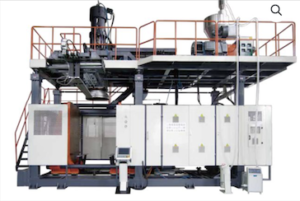
Advantages of Jwell Extrusion Technology
Modern extrusion machines provide multiple advantages that enhance manufacturing productivity.
- High Production Efficiency
Extrusion allows for uninterrupted production, minimizing downtime and boosting output.
- Consistent Product Quality
Accurate regulation of temperature and pressure guarantees uniformity in product size.
- Versatile Material Processing
Extruders are capable of handling a broad spectrum of thermoplastic materials.
- Automation Integration
Advanced extrusion lines incorporate digital control systems for improved process monitoring.
Key Materials Processed by Extruders
Extruders are capable of processing many thermoplastic materials used in industrial manufacturing.
Common Extrusion Materials
| Bahan | Characteristics | Aplikasi |
| PVC | Durable and cost-effective | Pipes and profiles |
| PE | Flexible and chemical resistant | Films and pipes |
| PP | Lightweight and strong | Pengemasan |
| PET | Transparent and recyclable | Bottles and sheets |
Material selection depends on the product’s performance requirements.
Future Trends in Extrusion Technology
The extrusion industry keeps developing as manufacturers implement innovative technologies.
Notable trends consist of:
- Intelligent manufacturing systems
- Extruders that save energy
- Extrusion lines centered on recycling
- Integration with Industry 4.0 technologies
These innovations aim to improve production efficiency while reducing environmental impact.
The Role of Extruders in Sustainable Manufacturing
Extrusion technology is increasingly important in sustainable manufacturing by improving material efficiency, enabling recycling processes, and encouraging environmentally friendly production methods. Modern extruder systems focus on reducing waste, optimizing energy efficiency, and supporting the use of recycled and bio-based materials.
- Supporting Plastic Recycling
Extruders are frequently used in plastic recycling systems where plastic waste from consumers or industries is melted, filtered, and reprocessed into reusable pellets or products. This process helps reduce landfill waste and promotes a circular economy for materials.
- Facilitating the Use of Recycled Materials
Advanced extrusion technology allows manufacturers to process recycled polymers while ensuring consistent product quality. Improved screw designs and filtration systems help remove contaminants and maintain dependable material performance.
- Improving Energy Efficiency
Modern extruders are equipped with energy-efficient motors, optimized heating systems, and advanced control technologies that decrease energy use during production. These improvements contribute to reducing operational expenses and minimizing environmental impact.
- Supporting Bio-Based and Sustainable Materials
Extrusion machines can process biodegradable and bio-based polymers, enabling manufacturers to produce environmentally friendly products such as compostable packaging, eco-friendly films, and sustainable construction materials.
- Reducing Material Waste
Because extrusion is a continuous manufacturing process, it generates relatively minimal waste compared to other processing methods. Precise regulation of temperature and pressure also helps ensure consistent product quality and minimizes defective items.
- Enabling Lightweight and Resource-Efficient Products
Extrusion technology allows for the development of lightweight materials such as multi-layer films, hollow structures, and optimized profiles. These products reduce raw material usage while maintaining structural integrity.
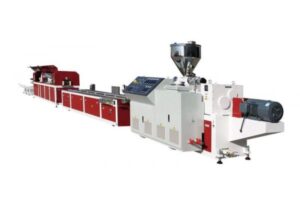
FAQ: Jwell Extruder
- What is an extruder used for?
An extruder is used to process materials by forcing them through a die to create continuous products such as pipes, sheets, and films.
- What materials can a Jwell extruder process?
Jwell extruders can process thermoplastic materials, including PVC, PE, PP, PET, and engineering plastics.
- What is the difference between single-screw and twin-screw extruders?
Single-screw extruders use one rotating screw, while twin-screw extruders use two screws to provide better mixing and material control.
- What industries use extrusion machines?
Extrusion machines are widely used in construction, packaging, automotive manufacturing, and consumer goods production.
- Why are extruders important in plastic manufacturing?
Extruders enable the continuous, efficient production of plastic products with consistent quality and high output rates.
Kesimpulan
The extruder is a crucial machine in modern manufacturing. It allows for the continuous conversion of raw materials into various industrial products. Extrusion technology offers a highly efficient and scalable method for producing everything from pipes and sheets to films and profiles. This technology supports many industries around the world.
Jwell Machinery has become a key manufacturer of extrusion equipment due to its advanced engineering design and extensive product range. It provides solutions that address the changing needs of polymer processing and industrial automation.
A Jwell extruder integrates precise mechanical parts, sophisticated control systems, and custom screw configurations to guarantee dependable melting, blending, and forming of materials. These devices can handle various thermoplastic substances, allowing producers to create items with uniform quality and optimal efficiency.
As global industries keep focusing on sustainable manufacturing, recycling technologies, and energy-efficient production methods, extrusion machinery will stay a vital part of industrial innovation. Improvements in automation, smart monitoring systems, and eco-friendly processing technologies are likely to further improve the capabilities of modern extruders, securing their ongoing significance in the future of manufacturing.


 English
  Russian
  Spanish
  Arabic
  German
  French
  Persian
  Turkish
  Bulgarian
  Czech
Czech  Dutch
Dutch  Greek
Greek  Indonesian
  Japanese
  Korean
  Polish
  Portuguese
  Romanian
  Slovenian
  Ukrainian