
Abstract
The экструдер машина represents a pivotal apparatus in contemporary manufacturing, facilitating the continuous fabrication of materials with consistent cross-sectional geometries. Extensively employed across sectors such as plastics, food processing, pharmaceuticals, and construction, extrusion technology has fundamentally transformed the methodologies by which products are shaped and produced on an industrial scale.
Functionally, an экструдер operates by compelling material—commonly in the form of pellets, powders, or granules—through a specifically engineered die to generate continuous profiles including pipes, sheets, films, and other shapes. The extrusion process accommodates a diverse range of materials, encompassing thermoplastics, metals, food constituents, and composite substances. This adaptability underscores its critical role in both industrial manufacturing and consumer goods production.
Contemporary extruder machines are available in multiple configurations, notably single-screw and twin-screw designs, each tailored to distinct performance criteria. Technological advancements in automation, digital control systems, and energy efficiency have further enhanced the accuracy and throughput of extrusion operations.
This comprehensive review delineates the definition, operational mechanisms, applications, and significance of extruder machines within modern manufacturing contexts. Additionally, it addresses various extruder types, principal components, fundamental operating principles, industrial utilizations, and emerging trends in extrusion technology.
What Is an Extruder Machine?
Definition of an Extruder Machine
An extruder machine is a manufacturing apparatus designed to process raw materials by forcing them through a specifically shaped die, thereby producing continuous products characterized by a uniform cross-sectional profile.
The extrusion process generally encompasses the following stages: the introduction of raw material into the machine, the application of heat to melt the material (particularly in the case of thermoplastics or food substances), the exertion of mechanical pressure, and the subsequent shaping of the material as it passes through the die. This technique facilitates consistent production with high operational efficiency and minimal material waste.
How Does an Extruder Machine Work?
Basic Working Principle
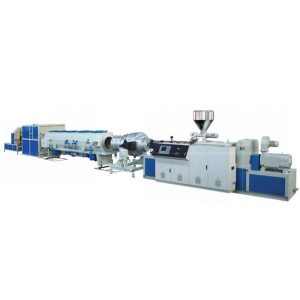
The functioning of an extruder machine relies on the synergistic effects of thermal energy, applied pressure, and mechanical force. The material is fed into a heated barrel, within which a rotating screw conveys it forward. During this process, the material undergoes compression, melting (when appropriate), and homogenization before being extruded through a die.
Extrusion Process Steps
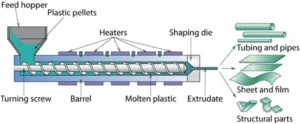
Key Steps in Extrusion
| Step | Описание |
| Step1: Feeding | Raw material enters the hopper |
| Step2: Conveying | Screw moves material forward |
| Step3: Melting | Heat softens or melts the material |
| Step4: Mixing | Material becomes uniform |
| Step5: Shaping | Material passes through the die |
| Step6: Cooling | Final product solidifies |
Each step is essential for producing high-quality products.
Main Components of an Extruder Machine
An extruder machine comprises several essential components that collaboratively transform raw materials into a continuous, shaped product. Each element is integral to maintaining stable processing conditions, efficient melting, and producing high-quality output.
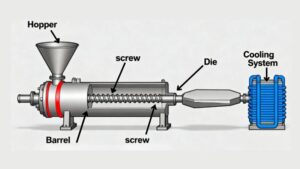
- Hopper (Feeding System)
The hopper serves as the initial entry point for raw materials, such as pellets, powders, or granules, into the machine. It ensures a consistent feed rate and may incorporate drying or dosing mechanisms to enhance material control.
- Бочка
The barrel is a heated cylindrical chamber that encloses the screw. It is segmented into multiple temperature zones, allowing for controlled heating that facilitates the gradual melting of the material.
- Screw (Extrusion Screw)
The screw is the principal component responsible for conveying, compressing, melting, and mixing the material. It is typically divided into feed, compression, and metering zones, which collectively influence output efficiency and material uniformity.
- Heating and Cooling System
This system regulates the processing temperature by employing electric heaters to elevate the temperature and cooling mechanisms, such as fans or water systems, to prevent overheating and maintain thermal stability.
- Drive System (Motor and Gearbox)
The drive system powers the rotation of the screw and consists of an electric motor coupled with a gearbox. It controls the screw’s speed and torque to accommodate various processing requirements.
- Die Head (Mold)
The die head shapes the molten material into the desired configuration, such as film, pipe, sheet, or profile. Its precise design is crucial for ensuring consistent product dimensions and overall quality.
- Система контроля
Contemporary extruders utilize advanced control systems to automate the process. These systems monitor parameters including temperature, pressure, and screw speed, enabling precise adjustments and stable operation.
- Downstream Equipment
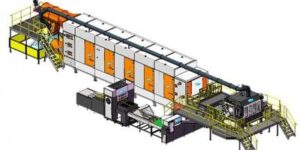
Following extrusion, additional equipment further processes the product. This may include cooling systems (e.g., water baths or air cooling), haul-off units to draw the product, and cutting or winding systems tailored to specific applications.
Core Components of an Extruder Machine
| Компонент | Функция |
| Hopper | Material feeding |
| Винт | Conveying and mixing |
| Бочка | Heating and containment |
| Умереть | Shaping material |
| Heater system | Контроль температуры |
Each component must work together precisely.
Types of Extruder Machines
Extruder machines are categorized according to their design characteristics and intended applications.
- Single-Screw Extruder
Single-screw extruders represent the most prevalent type within the plastics industry. Their design is straightforward and economical, making them well-suited for fundamental extrusion operations.
- Twin-Screw Extruder
Twin-screw extruders incorporate two intermeshing screws, which enhance mixing capabilities and processing efficiency. These extruders are particularly advantageous for handling complex formulations and materials requiring high performance.
- Ram Extruder
Ram extruders operate using a piston mechanism in place of a rotating screw. This configuration is commonly employed for the processing of materials with high viscosity.
Comparison of Extruder Types
| Тип | Преимущества | Приложения |
| Одношнековый | Simple, cost-effective | Plastic pipes and films |
| Twin-screw | High mixing efficiency | Compounding and advanced materials |
| Ram extruder | High-pressure capability | Specialty materials |
Choosing the right type depends on the application.
What Is an Extruder Machine Used For?
Extruder machines are employed across a diverse array of industries owing to their adaptability and efficiency.
- Plastic Manufacturing
The plastics sector represents the predominant consumer of extruder machinery. Key applications encompass the production of pipes and tubing, plastic sheets and films, profiles and window frames, as well as cable insulation. The extrusion process facilitates the continuous fabrication of plastic products with high dimensional accuracy.
- Food Processing
Extrusion technology is extensively utilized within the food manufacturing industry. Notable products include snack foods, pasta and noodles, breakfast cereals, and pet food. This process integrates cooking and shaping into a single, streamlined operation.
- Фармацевтическая промышленность
Within the pharmaceutical domain, extrusion techniques are applied for the development of controlled drug delivery systems and the processing of various materials.
- Строительные материалы
Extruder machines are also instrumental in the production of construction materials, such as insulation panels and composite structures, contributing to advancements in building technology.
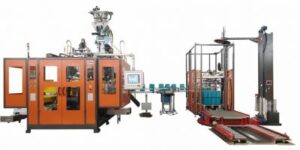
Major Applications of Extruder Machines
| Промышленность | Продукты |
| Plastics | Pipes, films, profiles |
| Еда | Snacks, pasta, cereals |
| Pharmaceuticals | Drug delivery systems |
| Строительство | Panels, insulation materials |
These applications highlight the importance of extrusion technology.
Advantages of Using Extruder Machines
Extruder machines are extensively utilized in the plastics, food, chemical, and construction sectors owing to their efficiency and adaptability in continuous production processes.
- Continuous High-Efficiency Production
Extruders function through a continuous operational mode, rendering them highly suitable for large-scale manufacturing environments that demand consistent output and minimal operational interruptions.
- Versatility Across Materials and Products
These machines are capable of processing a diverse array of materials, including plastics, rubber, and food substances, and can manufacture various product forms such as films, pipes, sheets, and profiles.
- Superior Product Consistency
By precisely controlling parameters such as temperature, pressure, and screw configuration, extruders facilitate uniform material blending and ensure stable, high-quality product output.
- Advanced Automation Capabilities
Contemporary extrusion systems incorporate automated control technologies, which minimize the need for manual intervention and enhance production accuracy.
- Cost-Effective Manufacturing
The continuous nature of extrusion, combined with reduced material wastage and optimized energy consumption, contributes to a reduction in overall production costs.
- Customizable Output Design
Manufacturers can readily modify product shapes and specifications by altering die configurations and adjusting processing parameters, allowing for flexible and tailored production outcomes.
Factors Affecting Extrusion Performance
The operational efficacy of an extruder machine is contingent upon a range of technical and procedural factors that exert a direct influence on both product quality and process efficiency.
- Material Properties
Intrinsic characteristics such as viscosity, melting temperature, and moisture content play a pivotal role in determining the behavior of materials during the extrusion process.
- Screw Design and Configuration
The geometric parameters of the screw, including its length, compression ratio, and the presence of mixing sections, critically affect material flow dynamics, melting efficiency, and the homogeneity of mixing.
- Контроль температуры
Accurate regulation of temperature across the various barrel zones is essential to achieve optimal melting conditions while preventing thermal degradation of the material.
- Дизайн штампов
The configuration of the die, encompassing its shape and internal flow channels, significantly impacts the dimensional accuracy, surface quality, and uniformity of material flow in the final product.
- Processing Speed (Throughput)
While increased processing speeds can enhance production output, inadequate control at higher speeds may induce process instability, thereby compromising product quality.
- Cooling System Efficiency
Effective cooling mechanisms are vital to maintain dimensional stability and to avert deformation of the extruded product post-processing.
- Operator Expertise and Process Control
The proficiency of the operator, coupled with the optimization of process parameters, is fundamental to ensuring consistent machine performance and minimizing the incidence of defects.
Common Challenges in Extrusion
Although extrusion processing is recognized for its efficiency, it is subject to several technical challenges that can compromise both product quality and production efficiency.
- Melt Instability
The irregular flow behavior of the molten material may result in surface imperfections or variability in product dimensions.
- Die Swell
Upon exiting the die, the material can undergo expansion due to elastic recovery, thereby impacting dimensional precision.
- Temperature Control Issues
Inadequate temperature regulation can lead to incomplete melting or thermal degradation of the material.
- Screw Wear and Maintenance
Prolonged operation causes wear on screws and barrels, which may diminish processing efficiency and adversely affect product quality over time.
- Material Inconsistency
Fluctuations in the quality of raw materials can cause uneven melting, suboptimal mixing, or defects in the final output.
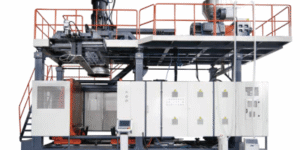
Future Trends in Extruder Machine Technology
The advancement of extruder machine technology is predominantly influenced by trends in automation, sustainability, and precision manufacturing.
- Intelligent and Automated Systems
The incorporation of sensors and control mechanisms facilitates real-time monitoring of critical parameters such as temperature, pressure, and output. This integration enhances process consistency while minimizing the potential for human error.
- Energy-Efficient Design Innovations
Contemporary extruder models are engineered to optimize energy consumption, achieved through the refinement of heating elements and screw configurations.
- Enhanced Materials Processing Capabilities
Emerging extrusion technologies are being developed to accommodate the processing of biodegradable polymers, composite materials, and high-performance engineering substances.
- Modular and Customizable Equipment Architectures
Manufacturers are increasingly providing modular extruder systems that can be tailored to diverse applications, thereby augmenting production flexibility.
- Digitalization and Industry 4.0 Integration
Extruder machines are progressively integrated with digital platforms, enabling predictive maintenance, comprehensive data analytics, and remote operational control.
FAQ: Extruder Machine
- What is an extruder machine?
An extruder machine is a device that shapes materials by forcing them through a die to create continuous products.
- What materials can be processed with an extruder?
Extruders can process plastics, food materials, metals, and pharmaceuticals.
- What is the difference between single-screw and twin-screw extruders?
Single-screw extruders are simpler and more cost-effective, while twin-screw extruders offer better mixing and processing capabilities.
- Why is extrusion important in manufacturing?
Extrusion enables efficient, continuous production with consistent product quality.
- Can extruder machines be automated?
Yes. Modern extruders often include automated control systems for improved precision and efficiency.
Заключение
The extruder machine represents a fundamental technology in contemporary manufacturing, providing an efficient and adaptable approach for producing continuous products across diverse industrial sectors.
Through the integration of heat, pressure, and mechanical force, extrusion technology facilitates the conversion of raw materials into precise geometries, including pipes, films, sheets, and food items. Its capacity to ensure consistent product quality, high throughput, and material efficiency renders it essential in industries such as plastics, food processing, pharmaceuticals, and construction.
A comprehensive understanding of extruder machines—including their structural components, various types, and underlying operational principles—enables manufacturers to optimize production workflows and enhance product performance. Ranging from basic single-screw designs to sophisticated twin-screw configurations, each extruder type is engineered to address specific application demands and material properties.
With ongoing technological advancements, the future trajectory of extrusion technology is oriented towards intelligent automation, energy-efficient operation, and the processing of novel materials. These innovations are poised to expand the functional capabilities of extruder machines, thereby securing their sustained significance and utility within the global manufacturing landscape.



 English
  Russian
  Spanish
  Arabic
  German
  French
  Persian
  Turkish
  Bulgarian
  Czech
Czech  Dutch
Dutch  Greek
Greek  Indonesian
  Japanese
  Korean
  Polish
  Portuguese
  Romanian
  Slovenian
  Ukrainian