쑤저우 제이웰 기계 유한공사. is a large-scale plastic extrusion machinery manufacturer in China. The company produces more than 2,000 advanced extrusion production lines each year. Its products are exported to all over the world, including Germany, the United States, Japan, Spain and other developed countries. Today, we will introduce Suzhou Jwell Machinery’s extruder products in detail. If you are interested, let’s learn about it together!
압출기란 무엇인가요?
An extruder is a mechanical device that continuously transports, melts and extrudes raw materials (such as plastics, metals, foods, etc.) from a mold by heating, pressurizing, shearing and pushing. It is widely used in plastic processing, rubber molding, food manufacturing, metal molding, cable coating and other fields.
In the plastics industry, extruders are key equipment for the production of sheets, films, pipes, profiles, hollow products, granular materials and other products. Due to its advantages of high degree of automation, large output, strong continuity and strong customizability, it has become an indispensable core equipment in modern manufacturing.
Jwell Extruder Introduction
블로운 필름 압출 라인은 플라스틱 필름을 생산하기 위해 특별히 설계된 제조 장비입니다. 블로운 필름 기계를 사용하여 플라스틱 필름을 만드는 과정은 플라스틱 수지 펠릿을 녹여 원형 다이를 통해 용융된 플라스틱 튜브에 압출하는 것입니다. 이 튜브는 풍선처럼 부풀려져 특정 크기와 두께로 부풀어 오릅니다. 이 튜브가 식으면 평평하게 펴서 롤 형태로 말아줍니다. 이 공정을 블로운 필름 압출이라고 하며, 일정한 두께와 품질의 플라스틱 필름을 생산하는 데 사용됩니다.
블로운 필름 압출 라인은 플라스틱 수지를 녹이는 것부터 완제품을 롤로 압연하는 것까지 전 과정을 처리하는 플라스틱 필름 생산의 핵심적인 역할을 담당합니다. 이 기계에는 압출기, 다이, 가스 링, 압력 롤러, 코일러 등 몇 가지 주요 구성품이 있습니다. 각 구성 요소는 플라스틱 수지를 가열 및 녹이고, 용융된 플라스틱을 튜브로 성형 및 냉각하고, 완성된 플라스틱 필름을 롤로 압연하는 등 특정 기능을 수행하도록 설계되었습니다.
2、보드 압출 라인
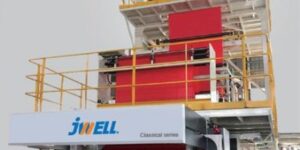
Jwell 보드 압출 라인은 구조가 컴팩트하고 성능이 우수합니다. 스크류와 배럴은 설계가 최적화되었으며 고성능 합금강으로 전문적으로 가공되어, 전체 생산 라인이 균일한 가소화, 안정적인 압출 및 긴 수명의 장점을 갖추고 있습니다.
3、필름 압출 라인
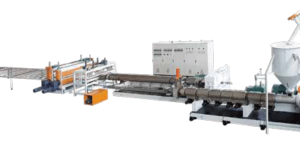
필름 압출 라인은 압출기를 사용해 플라스틱 필름을 생산하는 제조 공정입니다. 이 과정은 플라스틱 원료를 펠릿화하는 것으로 시작되며, 이후 펠릿이 압출기에 투입됩니다. 그 후 재료는 녹여서 여과한 뒤 다이를 통해 지속적으로 압출되어 연속적인 필름을 형성합니다. 이후 필름은 냉각되고 평탄하게 만들어져 롤에 감겨 추가 가공이나 포장에 사용됩니다. 필름 압출 라인은 LDPE, HDPE, PVC, PP 필름 등 다양한 플라스틱 필름을 생산하는 데 사용되며, 이들 필름은 포장, 농업, 건설 및 기타 산업에서 널리 활용됩니다.
4、바닥 압출 라인
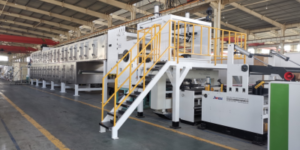
바닥 압출 라인은 jwell 기계의 인기 제품으로, 압출기를 사용해 플라스틱, PVC 또는 기타 재료로 연속적이고 균일한 시트를 생산한 후 이를 타일, 판재 또는 롤과 같은 다양한 형태의 바닥 제품으로 성형합니다. 이 과정에서는 원료를 압출기에서 녹인 뒤 최종 제품의 형태와 크기를 결정하는 다이를 통해 밀어내게 됩니다. 이렇게 만들어진 판재는 냉각된 후 다듬고 길이에 맞춰 절단된 뒤 포장되어 고객에게 배송됩니다.
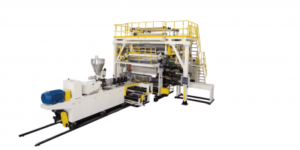
압출기 기계는 단일 스크류 압출기 또는 트윈 스크류 압출기가 될 수 있습니다.
단일 스크류 압출기는 마찰에 의해 재료를 이송하며 용융 및 가소화 효과는 트윈 스크류 압출기만큼 좋지는 않지만 비용은 매우 낮습니다.
현재 폴리에틸렌 및 폴리프로필렌 펠릿은 일반적으로 단일 스크류 압출기로 성형됩니다. 대부분의 나사는 기존의 3 섹션 풀 나사산이 아니지만 혼합 및 가소 화 효과를 높이기 위해 혼합 요소가 나사에 추가됩니다.
폴리염화비닐의 원료는 분말 형태입니다. 단일 스크류 압출기로 생산할 경우 미리 혼합하고 과립화해야 하므로 생산 공정이 늘어납니다.
따라서 현재 PVC 분말 생산은 혼합 및 성형을 위해 원추형 트윈 스크류 압출기를 직접 사용합니다. PVC 파이프 압출기 기계의 압출기 나사를 설계하거나 선택할 때 구조와 매개 변수는 PVC (특히 경질 PVC)의 열에 민감한 성능을 고려해야합니다.
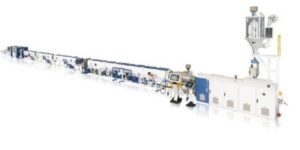
Jwell Pipe Extrusion Line is able be easily controlled. With stable performance, pipelines can keep high efficient output capacity. Further, that PP PPR PE PVC pipe extruder machine’s long service life is also the reason that you can trust Jwell.
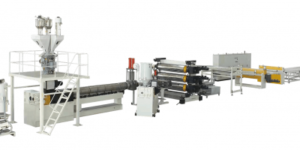
플레이트 압출 라인에는 피더, 압출기, 몰드, 3롤 캘린더, 냉각 브래킷, 트리밍 장치, 트랙터, 라미네이팅 장치, 행잉 필름 장치, 전단기, 컨베이어, 조작기 및 롤 온도 컨트롤러가 포함됩니다.
압출 성형부터 완제품 가공, 수거까지 한 라인에서 자동으로 완료되어 생산 효율이 높고 수작업이 거의 필요하지 않으며 빠르고 안정적인 시트 성형이 가능합니다.
제이웰 프로파일 압출 라인은 건축, 바닥 또는 놀이 산업을 지원하는 데 사용되는 고품질 압출 제품을 제조하기 위해 원료를 사용합니다.
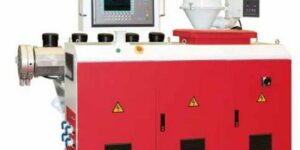
8、로드 압출 라인
JWELL 로드 압출 라인은 압출 공정을 통해 파이프, 판재, 프로필 등 다양한 종류의 플라스틱 제품을 제조하는 효율적이고 유연하며 에너지를 절약하는 첨단 설비입니다. 이 장비의 특징으로는 고속 생산 능력, 다양한 제품 적응성, 정밀한 제어 시스템 및 에너지 절약형·친환경적 특성이 있습니다. 이는 플라스틱 제품 생산 분야에서 널리 사용되며 고객들에게 큰 경제적 이익을 창출하고 있으며, 이상적인 생산 설비 선택지입니다.
9、시트 압출 라인
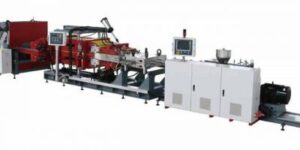
A sheet extrusion line includes an extruder (double or single screw), outfitted with a screen changer plus a gear pump, followed closely with a static mixer (occasionally feeding a coextrusion feed block that’s preceded by one or more added extruders sets as explained previously ), feeding a level sheet expire.
How does an extruder work?
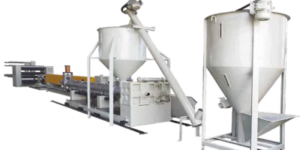
The working process of an extruder mainly includes feeding, plasticizing, melting, compression, metering, molding and other links, which are usually completed by the following core components:
Hopper: The raw materials enter the equipment from here;
스크루: Rotates under the drive of the motor, pushes the material forward and melts it under heat;
배럴: Provides wrapping space for the screw and is equipped with a heating system;
Heating zone and cooling system: Control the temperature in sections to ensure stable processing of materials;
Die: Determines the shape of the product;
Traction device, cooling device: Assists in product shaping and output.
The principle of extrusion is to heat and melt the thermoplastic material under pressure, and continuously extrude and mold it, which can achieve efficient and large-scale production.
Extruder process flow
The following table shows the standard process flow of general plastic extrusion processing:
Raw material preparation: material drying, premixing, and impurity removal
Feeding: Put the raw materials into the hopper
Screw feeding and heating: Push and gradually heat to the set temperature through the screw
Melting and mixing: The material is fully melted and mixed evenly at high temperature
Metering and compression: Control the output to ensure product consistency
Mold forming: Press out the product shape through the mold, such as film, pipe, granules, etc.
Cooling and traction: Use air cooling, water cooling or vacuum cooling system for rapid shaping
Cutting and winding: The product is cut or wound according to specifications
The entire process is highly automated and suitable for manufacturing scenarios with strong continuity.
What does the extruder do?
The core functions of the extruder are as follows:
Material melting and plasticization: With the help of screw shearing and electric heating functions, solid materials are transformed into processable melts;
Material transportation and homogenization: High-efficiency continuous advancement, while mixing different components of raw materials;
Pressure construction: Increasing pressure through the metering section allows the melt to pass through the mold smoothly;
Continuous molding: Different mold structures determine the final shape of the product, such as diaphragms, pipes, sheets, etc.;
Control stability: The consistency of product quality can be controlled by parameter settings (temperature, pressure, speed).
In short, the extruder is the “core processing engine” that converts raw materials into functional end products.
How to remove consumables from the extruder?
When replacing consumables or maintenance, residual materials need to be removed from the extruder. The following are the general steps:
Stop feeding: turn off the hopper feed;
Empty the raw materials: continue to run the screw to push out the remaining raw materials in the barrel;
Add purging compound: special purging compound helps dissolve the residue;
Run idly for a few minutes: let the purging compound fully contact the entire screw and barrel;
Remove the die head (if necessary) :for physical cleaning;
Wait for cooling: After the temperature drops to a safe range, clean the residue manually.
Precautions:
Wear protective gloves and goggles during operation;
Avoid disassembling the mold when the screw is not stopped;
Some high-temperature materials such as PVC and PBT need to be cleaned by professionals to prevent poisoning or corrosion.
Main application areas of extruders
Extruders are widely used in the molding and processing of various raw materials. The following are the main areas:
Plastic processing: continuous products such as pipes, profiles, plates, films, cable sheaths, etc.
Packaging material manufacturing: multi-layer co-extruded films, shrink films, foam materials, heat-sealed films, etc.
식품 산업: noodles, puffed food, pet feed, energy bars, etc.
Rubber and seal manufacturing: automotive rubber strips, O-rings, shock-absorbing pads
Medical materials and consumables: medical hoses, catheters, infusion tubes, experimental consumables
Metal extrusion: aluminum profiles, copper tubes, alloy plates
3D printing consumables: preparation of wires such as PLA/ABS/TPU
Environmentally friendly materials: biodegradable films, EVA solar films, recycled plastic granulation
Comparative analysis of different types of extruders
| Production Line Type | Main Material | Final Product | 주요 기능 | 일반적인 애플리케이션 | Die Structure |
| 블로운 필름 압출 라인 | LDPE, LLDPE, HDPE, EVA | Plastic films | Film is blown vertically by air ring; high transparency possible | Packaging, agricultural film, bags | Circular blown die |
| 시트 압출 라인 | PP, PS, PET, ABS | Sheets (1–10mm thickness) | Uniform thickness, wide format possible | Packaging trays, folders, signage | Flat T-die |
| Cast Film Extrusion Line | PP, PE, CPP, BOPP | Thin plastic films | Fast cooling, high gloss and clarity | Food packaging, stretch film, protective film | Flat die + chill roll |
| Flooring Extrusion Line | PVC, SPC, WPC, PP | Flooring panels (multi-layer) | Rigid, multilayer co-extrusion | Vinyl flooring, laminate floors, click floors | Complex die + calender rollers |
| 파이프 압출 라인 | PVC, PE, PPR, PEX | Pipes/tubes (Ø5–1000mm) | Stable pressure, sizing sleeve cooling | Water pipes, gas pipes, conduit systems | Pipe die + vacuum tank |
| 프로파일 압출 라인 | PVC, ABS, ASA, WPC | Complex cross-section profiles | Customizable mold shapes, continuous profile | Window frames, cable ducts, wall panels | Profile die |
| 막대 압출 라인 | Nylon, PTFE, PP, POM | Solid plastic rods | Compact structure, used in CNC machining | Industrial parts, gears, sealing rods | Circular or annular die |
| 판형 압출 라인 | HDPE, UHMWPE, PP | Thick plates (10–60mm) | High rigidity, used in heavy industries | Chemical tanks, cutting boards, liners | Wide flat die + 3-roll stack |
| Sheet (Thin) Extrusion Line | PETG, PVC, PS | Thin sheets (0.2–2mm) | Fast production, ideal for thermoforming | Display covers, blister packaging | Flat die + cooling rolls |
결론
As a key equipment for continuous, efficient and automated material forming in modern industry, extruder has been widely used in many industries. It is not only the main equipment in the plastics industry, but also plays an important role in food, medical, rubber, metal and even environmental protection.
When choosing an extruder, enterprises should consider the selection based on factors such as raw material type, target product form, output demand, budget range, etc. At the same time, in order to ensure efficient operation of the equipment and extend its service life, it is necessary to combine scientific operating procedures and regular maintenance strategies.
With the development of new materials and the upgrading of intelligent manufacturing, extrusion technology in the future will tend to be highly intelligent, highly integrated, energy-saving and environmentally friendly, and multi-functional, which will further promote the evolution of the industry.




 English
  Russian
  Spanish
  Arabic
  German
  French
  Persian
  Turkish
  Bulgarian
  Czech
Czech  Dutch
Dutch  Greek
Greek  Indonesian
  Japanese
  Korean
  Polish
  Portuguese
  Romanian
  Slovenian
  Ukrainian