
Blow molding is a well-established process in the manufacturing of hollow plastic products, such as bottles, containers, and automotive parts. Traditionally, blow molding machines have relied on hydraulic systems to generate the force needed for the molding process. However, in recent years, the rise of the full electric blow molding machine has transformed the industry. These machines offer a variety of benefits over conventional hydraulic or hybrid systems, making them an increasingly popular choice for manufacturers looking to optimize their production processes. This article explores the key advantages of full electric blow molding machines and how they can enhance the manufacturing process.
What is a Full Electric Blow Molding Machine?
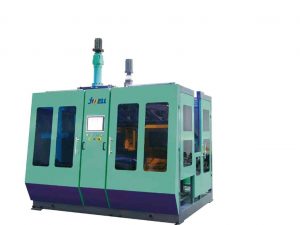
A full electric blow molding machine utilizes electric motors and actuators to perform all of the movements involved in the blow molding process. Unlike hydraulic machines, which rely on hydraulic fluid to generate force, full electric machines use electric drives to control the motion of the molds, blow pins, and other components. This allows for greater control, efficiency, and precision throughout the molding process.
The shift from hydraulic to fully electric systems has been a game-changer for many industries, especially those that require high levels of precision and consistency, such as packaging, automotive, and medical device manufacturing.
1. Energy Efficiency
One of the most compelling benefits of a full electric blow molding machine is its energy efficiency. Traditional hydraulic machines consume a lot of energy, as hydraulic pumps run constantly, even when not in active use. In contrast, full electric machines only consume power when the electric motors are operating, which significantly reduces overall energy consumption.
Energy savings can be substantial, with full electric machines potentially reducing energy consumption by up to 50% or more compared to hydraulic systems. In industries where energy costs are a major concern, this can lead to significant reductions in operational expenses, improving the bottom line for manufacturers.
2. Enhanced Precision and Consistency
Precision is critical in blow molding, especially when manufacturing products that require exact dimensions and uniformity. Full electric blow molding machines offer a higher level of control compared to hydraulic systems. Electric motors provide smoother, more consistent movements, ensuring that each part is molded with the utmost accuracy.
The precise control over the movement of molds, blow pins, and other critical components leads to fewer defects and better overall part quality. This is particularly valuable in industries such as packaging and medical device manufacturing, where even slight variations in product dimensions can result in costly rejections or safety concerns.
Additionally, full electric machines allow for tighter tolerances, which improves the overall quality and consistency of the molded products, reducing the likelihood of defects or inconsistencies in production.
3. Faster Cycle Times
Full electric blow molding machines often feature faster cycle times than their hydraulic counterparts. The ability to control the movements of the machine more precisely and quickly means that operations like mold opening and closing, as well as blowing, can be completed faster.
The shorter cycle times result in higher production throughput, which is crucial for meeting demanding production schedules and maintaining competitive advantage. For industries with high-volume production needs, such as beverage packaging, the increased speed offered by full electric machines can significantly improve productivity and profitability.
Additionally, shorter cycle times mean that manufacturers can respond more quickly to market demand, enabling them to remain agile and flexible in the face of changing customer needs.
4. Lower Maintenance Costs
Full electric blow molding machines require significantly less maintenance than hydraulic systems. Hydraulic machines are more prone to wear and tear due to the continuous use of hydraulic fluid, which can lead to leaks, component failure, and the need for frequent maintenance. In contrast, full electric machines have fewer moving parts and do not rely on hydraulic fluid, reducing the likelihood of mechanical breakdowns and the need for repairs.
As a result, they can lower long-term maintenance costs. They are also easier to maintain, with fewer components needing regular inspections or replacements. This not only reduces the cost of maintaining the machine but also improves the overall uptime of the production process, helping manufacturers maintain consistent output.
5. Improved Environmental Impact
The environmental impact of manufacturing processes is becoming an increasingly important consideration for businesses. Full electric blow molding machines contribute to a greener production process in several ways.
First, their energy efficiency means that they consume less electricity, which helps to reduce the carbon footprint of the production process. By consuming less power and generating less waste heat, full electric machines are more environmentally friendly than traditional hydraulic systems.
Second, the absence of hydraulic fluid means that there is no risk of leaks or the need for regular disposal of used fluids. This reduces the potential for pollution and environmental harm, making full electric blow molding machines a more sustainable option for manufacturers who are looking to minimize their environmental impact.
6. Increased Flexibility and Customization
Full electric blow molding machines are highly versatile and can be easily customized to suit specific production requirements. Manufacturers can adjust the settings for each stage of the molding process, including mold opening and closing speeds, blowing pressure, and cooling times, allowing them to tailor the machine’s performance to different products.
This level of flexibility is particularly beneficial for manufacturers that produce a wide variety of products or need to accommodate frequent product changes. Full electric machines can quickly adapt to different production needs, reducing the need for new equipment or costly adjustments to existing machinery.
7. Cost-Effectiveness in the Long Run
While the initial investment in a full electric blow molding machine may be higher than that of a traditional hydraulic machine, the long-term cost benefits make them a smart financial decision for many manufacturers. The energy savings, reduced maintenance costs, and increased production efficiency lead to a lower overall cost of ownership.
Over time, the savings in energy and maintenance costs, along with the improved production rates, can offset the higher initial purchase price. For manufacturers who are focused on long-term sustainability and profitability, they offers excellent return on investment.
Conclusion
The full electric blow molding machine offers numerous benefits that can significantly improve manufacturing processes. From energy efficiency and precision to faster cycle times and lower maintenance costs, these machines provide significant advantages over traditional hydraulic systems. Additionally, their environmental benefits, flexibility, and long-term cost-effectiveness make them an excellent choice for manufacturers in industries such as packaging, automotive, and medical device production.
As the demand for high-quality, environmentally sustainable products continues to grow, they are likely to become the standard in the industry. Manufacturers looking to improve their production processes and stay competitive in a rapidly changing market should consider the numerous advantages of switching to full electric blow molding machines.


 English
  Russian
  Spanish
  Arabic
  German
  French
  Persian
  Turkish
  Bulgarian
  Czech
Czech  Dutch
Dutch  Greek
Greek  Indonesian
  Japanese
  Korean
  Polish
  Portuguese
  Romanian
  Slovenian
  Ukrainian