سوژو Jwell Machinery Co., با مسئولیت محدود. is a large-scale plastic extrusion machinery manufacturer in China. The company produces more than 2,000 advanced extrusion production lines each year. Its products are exported to all over the world, including Germany, the United States, Japan, Spain and other developed countries. Today, we will introduce Suzhou Jwell Machinery’s extruder products in detail. If you are interested, let’s learn about it together!
اکسترودر چیست؟
An extruder is a mechanical device that continuously transports, melts and extrudes raw materials (such as plastics, metals, foods, etc.) from a mold by heating, pressurizing, shearing and pushing. It is widely used in plastic processing, rubber molding, food manufacturing, metal molding, cable coating and other fields.
In the plastics industry, extruders are key equipment for the production of sheets, films, pipes, profiles, hollow products, granular materials and other products. Due to its advantages of high degree of automation, large output, strong continuity and strong customizability, it has become an indispensable core equipment in modern manufacturing.
Jwell Extruder Introduction
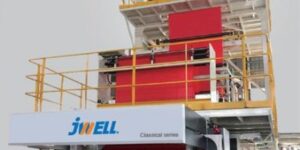
خط اکستروژن فیلم منبسط شده تجهیزات تولیدی است که به طور ویژه برای تولید فیلمهای پلاستیکی طراحی شده است. روند استفاده از ماشین فیلم منبسط شده برای ساخت فیلمهای پلاستیکی شامل ذوب کردن حبابههای رزین پلاستیکی و اکستروژن آنها از طریق یک قالب دایرهای به شکل لوله پلاستیکی ذوب شده میباشد. این لوله باد میخورد و مانند بالون به اندازه و ضخامت مشخصی بزرگ میشود. هنگامی که خنک میشود، صاف و به صورت رول در میآید. این روند اکستروژن فیلم منبسط شده نامیده میشود و برای تولید فیلمهای پلاستیکی با ضخامت و کیفیت ثابت استفاده میشود.
خط اکستروژن فیلم منبسط شده نقش کلیدی در تولید فیلمهای پلاستیکی دارد و تمام فرآیند را از ذوب کردن رزین پلاستیکی تا رول کردن محصول نهایی در بر میگیرد. این ماشین دارای چندین قسمت کلیدی است، از جمله اکسترودر، قالب، حلقه گاز، رولر فشار و کویلر. هر یک از این اجزا برای انجام وظیفه خاصی طراحی شدهاند، مثلاً گرم کردن و ذوب کردن رزین پلاستیکی، شکل دادن و خنک کردن پلاستیک ذوب شده به شکل لوله، و رول کردن فیلم پلاستیکی نهایی به صورت رول.
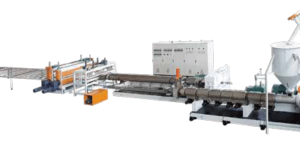
Jwell Board Extrusion Line از نظر ساختار جمع و جور و از نظر عملکرد برتر است. پیچ و بشکه در طراحی بهینه شده اند و به طور حرفه ای با فولاد آلیاژی با کارایی بالا پردازش می شوند به طوری که کل خط تولید از مزایای پلاستیک سازی یکنواخت، اکستروژن پایدار و عمر طولانی برخوردار است.
خط اکستروژن فیلم یک فرآیند تولیدی است که با استفاده از یک اکسترودر فیلم های پلاستیکی تولید می کند. این فرآیند با گندله سازی مواد خام پلاستیکی آغاز می شود که سپس به یک اکسترودر وارد می شود. سپس این ماده ذوب شده، فیلتر شده و از طریق یک قالب برای تشکیل یک فیلم پیوسته عبور داده می شود. سپس فیلم خنک می شود، صاف می شود و برای پردازش یا بسته بندی بیشتر روی رول ها می پیچد. خط اکستروژن فیلم برای تولید انواع فیلم های پلاستیکی مانند LDPE، HDPE، PVC، فیلم PP و غیره استفاده می شود که به طور گسترده در صنایع بسته بندی، کشاورزی، ساخت و ساز و سایر صنایع استفاده می شود.
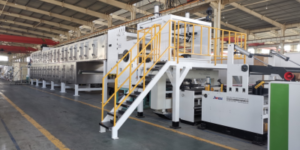
خط اکستروژن کف یکی از محصولات محبوب ماشین آلات jwell است که از اکسترودرها برای تولید ورق های پیوسته و یکنواخت از پلاستیک، PVC یا مواد دیگر استفاده می کند که سپس به انواع مختلف محصولات کف مانند کاشی، تخته یا رول تبدیل می شود. این فرآیند شامل ذوب مواد خام در یک اکسترودر و فشار دادن آن از طریق یک قالب است که شکل و اندازه نهایی محصول را تعیین می کند. سپس اسلب های به دست آمده قبل از بسته بندی و ارسال به مشتریان سرد، بریده شده و به طول بریده می شوند.
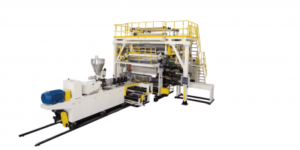
دستگاه اکسترودر لوله PVC PP PPR PE می تواند یک اکسترودر تک پیچ یا اکسترودر دو پیچ باشد.
اکسترودر تک پیچ مواد را با اصطکاک منتقل می کند و اثر ذوب و پلاستیک سازی آن به خوبی اکسترودر دو مارپیچ نیست، اما هزینه آن بسیار پایین است.
در حال حاضر گلوله های پلی اتیلن و پلی پروپیلن عموماً توسط اکسترودرهای تک پیچ تشکیل می شوند. بیشتر پیچها پیچهای سه بخش تمام رزوه معمولی نیستند، اما عناصر مخلوطکننده به پیچ اضافه میشوند تا اثر اختلاط و پلاستیکسازی را افزایش دهند.
ماده اولیه پلی وینیل کلراید به صورت پودر می باشد. اگر توسط یک اکسترودر تک پیچ تولید می شود، باید از قبل مخلوط و دانه بندی شود، که روند تولید را افزایش می دهد.
بنابراین، در تولید فعلی پودر PVC به طور مستقیم از یک اکسترودر دو پیچ مخروطی برای مخلوط کردن و قالب گیری استفاده می شود. هنگام طراحی یا انتخاب پیچ اکسترودر برای دستگاه اکسترودر لوله پی وی سی، ساختار و پارامترهای آن باید عملکرد حساس به حرارت PVC (به ویژه PVC صلب) را در نظر بگیرد.
Jwell Pipe Extrusion Line is able be easily controlled. With stable performance, pipelines can keep high efficient output capacity. Further, that PP PPR PE PVC pipe extruder machine’s long service life is also the reason that you can trust Jwell.
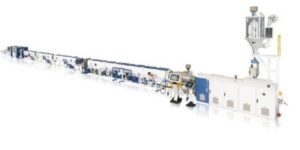
خط اکستروژن صفحه شامل فیدر، اکسترودر، قالب، تقویم سه رول، براکت خنک کننده، دستگاه پیرایش، تراکتور، دستگاه لمینیت، دستگاه فیلم آویزان، دستگاه برش، نوار نقاله، دستکاری کننده و کنترل کننده دمای رول می باشد.
محصولات از قالبگیری اکستروژن تا پردازش محصولات نهایی تا جمعآوری به صورت خودکار در یک خط، با راندمان تولید بالا، استفاده دستی بسیار کم و شکلدهی سریع و پایدار ورق تکمیل میشوند.
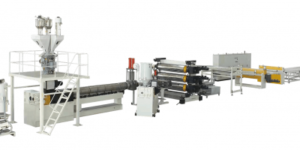
خط اکستروژن پروفیل Jwell از مواد خام برای تولید محصولات اکسترود شده با کیفیت بالا استفاده می کند که برای پشتیبانی از صنعت ساختمان، کف یا بازی استفاده می شود.
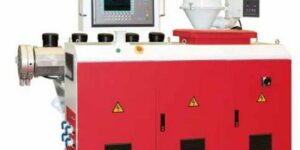
خط فرآوری رودهای اکسترود شده JWELL دستگاه پیشرفتهای کارآمد، انعطافپذیر و صرفهجویی در مصرف انرژی است که از روش اکسترودسیون برای تولید انواع مختلف محصولات پلاستیکی، از جمله لولهها، صفحات و پروفیلها، استفاده میکند. ویژگیهای آن شامل ظرفیت تولید با سرعت بالا، قابلیت انطباق با انواع متنوع محصولات، سیستمهای کنترل دقیق و ویژگیهای صرفهجویی در مصرف انرژی و دوستانه به محیط زیست میباشد. این دستگاه در حوزه تولید محصولات پلاستیکی بسیار گسترده مورد استفاده قرار میگیرد و منافع اقتصادی قابل توجهی برای مشتریان ایجاد میکند و انتخاب مناسبی برای تجهیزات تولیدی محسوب میشود.
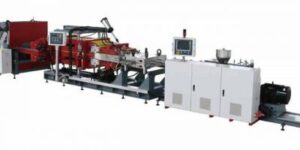
A sheet extrusion line includes an extruder (double or single screw), outfitted with a screen changer plus a gear pump, followed closely with a static mixer (occasionally feeding a coextrusion feed block that’s preceded by one or more added extruders sets as explained previously ), feeding a level sheet expire.
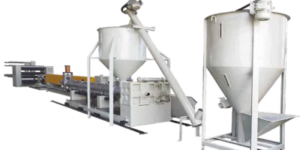
How does an extruder work?
The working process of an extruder mainly includes feeding, plasticizing, melting, compression, metering, molding and other links, which are usually completed by the following core components:
Hopper: The raw materials enter the equipment from here;
پیچ: Rotates under the drive of the motor, pushes the material forward and melts it under heat;
بادبزن: Provides wrapping space for the screw and is equipped with a heating system;
Heating zone and cooling system: Control the temperature in sections to ensure stable processing of materials;
Die: Determines the shape of the product;
Traction device, cooling device: Assists in product shaping and output.
The principle of extrusion is to heat and melt the thermoplastic material under pressure, and continuously extrude and mold it, which can achieve efficient and large-scale production.
Extruder process flow
The following table shows the standard process flow of general plastic extrusion processing:
Raw material preparation: material drying, premixing, and impurity removal
Feeding: Put the raw materials into the hopper
Screw feeding and heating: Push and gradually heat to the set temperature through the screw
Melting and mixing: The material is fully melted and mixed evenly at high temperature
Metering and compression: Control the output to ensure product consistency
Mold forming: Press out the product shape through the mold, such as film, pipe, granules, etc.
Cooling and traction: Use air cooling, water cooling or vacuum cooling system for rapid shaping
Cutting and winding: The product is cut or wound according to specifications
The entire process is highly automated and suitable for manufacturing scenarios with strong continuity.
What does the extruder do?
The core functions of the extruder are as follows:
Material melting and plasticization: With the help of screw shearing and electric heating functions, solid materials are transformed into processable melts;
Material transportation and homogenization: High-efficiency continuous advancement, while mixing different components of raw materials;
Pressure construction: Increasing pressure through the metering section allows the melt to pass through the mold smoothly;
Continuous molding: Different mold structures determine the final shape of the product, such as diaphragms, pipes, sheets, etc.;
Control stability: The consistency of product quality can be controlled by parameter settings (temperature, pressure, speed).
In short, the extruder is the “core processing engine” that converts raw materials into functional end products.
How to remove consumables from the extruder?
When replacing consumables or maintenance, residual materials need to be removed from the extruder. The following are the general steps:
Stop feeding: turn off the hopper feed;
Empty the raw materials: continue to run the screw to push out the remaining raw materials in the barrel;
Add purging compound: special purging compound helps dissolve the residue;
Run idly for a few minutes: let the purging compound fully contact the entire screw and barrel;
Remove the die head (if necessary) :for physical cleaning;
Wait for cooling: After the temperature drops to a safe range, clean the residue manually.
Precautions:
Wear protective gloves and goggles during operation;
Avoid disassembling the mold when the screw is not stopped;
Some high-temperature materials such as PVC and PBT need to be cleaned by professionals to prevent poisoning or corrosion.
Main application areas of extruders
Extruders are widely used in the molding and processing of various raw materials. The following are the main areas:
Plastic processing: continuous products such as pipes, profiles, plates, films, cable sheaths, etc.
Packaging material manufacturing: multi-layer co-extruded films, shrink films, foam materials, heat-sealed films, etc.
صنعت غذا: noodles, puffed food, pet feed, energy bars, etc.
Rubber and seal manufacturing: automotive rubber strips, O-rings, shock-absorbing pads
Medical materials and consumables: medical hoses, catheters, infusion tubes, experimental consumables
Metal extrusion: aluminum profiles, copper tubes, alloy plates
3D printing consumables: preparation of wires such as PLA/ABS/TPU
Environmentally friendly materials: biodegradable films, EVA solar films, recycled plastic granulation
Comparative analysis of different types of extruders
| Production Line Type | Main Material | Final Product | ویژگیهای کلیدی | کاربردهای معمول | Die Structure |
| دمیده فیلم خط اکستروژن | LDPE, LLDPE, HDPE, EVA | Plastic films | Film is blown vertically by air ring; high transparency possible | Packaging, agricultural film, bags | Circular blown die |
| ورق خط اکستروژن | PP, PS, PET, ABS | Sheets (1–10mm thickness) | Uniform thickness, wide format possible | Packaging trays, folders, signage | Flat T-die |
| Cast Film Extrusion Line | PP, PE, CPP, BOPP | Thin plastic films | Fast cooling, high gloss and clarity | Food packaging, stretch film, protective film | Flat die + chill roll |
| Flooring Extrusion Line | PVC, SPC, WPC, PP | Flooring panels (multi-layer) | Rigid, multilayer co-extrusion | Vinyl flooring, laminate floors, click floors | Complex die + calender rollers |
| خط اکستروژن لوله | PVC, PE, PPR, PEX | Pipes/tubes (Ø5–1000mm) | Stable pressure, sizing sleeve cooling | Water pipes, gas pipes, conduit systems | Pipe die + vacuum tank |
| مشخصات خط اکستروژن | PVC, ABS, ASA, WPC | Complex cross-section profiles | Customizable mold shapes, continuous profile | Window frames, cable ducts, wall panels | Profile die |
| خط اکسترودی رود | Nylon, PTFE, PP, POM | Solid plastic rods | Compact structure, used in CNC machining | Industrial parts, gears, sealing rods | Circular or annular die |
| خط اکستروژن صفحه | HDPE, UHMWPE, PP | Thick plates (10–60mm) | High rigidity, used in heavy industries | Chemical tanks, cutting boards, liners | Wide flat die + 3-roll stack |
| Sheet (Thin) Extrusion Line | PETG, PVC, PS | Thin sheets (0.2–2mm) | Fast production, ideal for thermoforming | Display covers, blister packaging | Flat die + cooling rolls |
نتیجه
As a key equipment for continuous, efficient and automated material forming in modern industry, extruder has been widely used in many industries. It is not only the main equipment in the plastics industry, but also plays an important role in food, medical, rubber, metal and even environmental protection.
When choosing an extruder, enterprises should consider the selection based on factors such as raw material type, target product form, output demand, budget range, etc. At the same time, in order to ensure efficient operation of the equipment and extend its service life, it is necessary to combine scientific operating procedures and regular maintenance strategies.
With the development of new materials and the upgrading of intelligent manufacturing, extrusion technology in the future will tend to be highly intelligent, highly integrated, energy-saving and environmentally friendly, and multi-functional, which will further promote the evolution of the industry.



 English
  Russian
  Spanish
  Arabic
  German
  French
  Persian
  Turkish
  Bulgarian
  Czech
Czech  Dutch
Dutch  Greek
Greek  Indonesian
  Japanese
  Korean
  Polish
  Portuguese
  Romanian
  Slovenian
  Ukrainian