
In the global wave of plastic reduction, bio-based materials are becoming the key to solving the problem of “white pollution”. Recently, TotalEnergies Corbion, a leading company in the field of bioplastics, has officially announced two major collaborations in succession – joining hands with China’s Yuesheng Technology and European compounding technology giant Benvic to jointly promote the innovative application of polylactic acid (PLA) technology. Can this “green marriage” across the industrial chain open a new door to the circular economy for the traditional plastics industry?
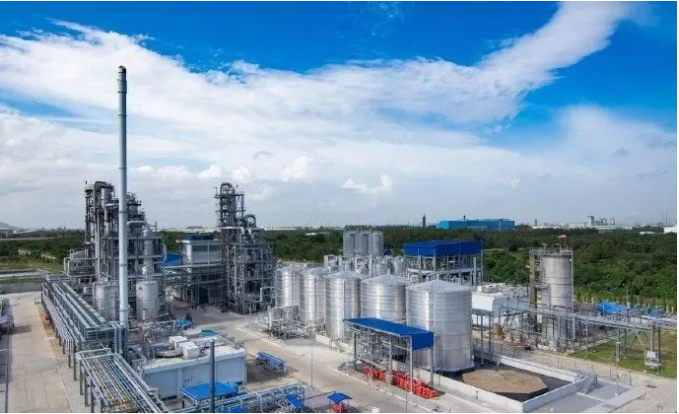
>>>> Collaboration 1: Degradable EPLA foam – the “white pollution terminator” that subverts the packaging industry
The strategic cooperation between TotalEnergies Corbion and Jiangsu Yuesheng Technology directly hits the pain points of traditional foamed plastic pollution. The two parties combined Luminy® PLA material with Yuesheng’s unique direct bead foaming technology to launch a new generation of EPLA (foamed polylactic acid) foam.
Technical highlights:
- 100% bio-based + industrial composting degradation: can be decomposed into water, carbon dioxide, and biomass under certain conditions to avoid microplastic residues;
- Performance benchmarking traditional EPS: lightweight, impact-resistant, and heat-resistant, suitable for high-protection scenarios such as precision instrument packaging and cold chain transportation;
- Circular economy closed loop: extracted from renewable resources such as corn and sugarcane to reduce dependence on petroleum-based plastics.
Application prospects:
It is estimated that the global EPS foam market size exceeds 100 billion yuan, but traditional materials are difficult to degrade, and the recycling rate is less than 10%. The launch of EPLA provides an alternative solution that balances performance and environmental protection for food packaging, electronic equipment protection, medical cold chain, and other fields, and may become a key driver for the express delivery and fresh food industries to achieve carbon neutrality.
>>> Cooperation 2: PLA-based composite materials – Entering the “durable track” of automobiles and medical treatments
In another cooperation, Total Energy Cobien and European compounding technology expert Benvik combined Luminy® PLA with the Plantura® series to develop high-performance bio-based composite materials, aiming at the “heartland” of traditional petroleum-based plastics – durable fields such as automobiles, medical devices, and home appliances.
Breakthrough advantages:
- Carbon footprint reduced by 50 %+: plant-based raw materials + low-carbon process, helping companies cope with EU carbon tariffs and other regulations;
- Functional upgrade: Through composite modification, the heat resistance and mechanical strength of PLA materials are greatly improved, and they can replace engineering plastics such as ABS, PS, and PP;
- High value-added scenarios: It has targeted markets with strict material texture requirements, such as cosmetic packaging and electronic component housings.
Industry impact:
The traditional view is that PLA is only suitable for disposable products. This cooperation breaks the technical boundaries. For example, the use of PLA-based composite materials in car interiors can not only reduce the weight of the car body and reduce energy consumption, but also achieve biodegradation or chemical recycling of scrapped parts, providing a new path for the green transformation of the manufacturing industry.
The strategic chess game behind the PLA revolution
Total Energy Cobien’s “two-line battle” actually targets the two core battlefields of the plastic replacement market:
- Short-cycle fast-moving consumer goods (such as packaging), solving terminal pollution through degradable materials
- Long-cycle durable goods (such as automobiles), cutting into production-end emission reduction with low-carbon properties.
Policy support:
More than 60 countries in the world have implemented plastic bans, and China’s “14th Five-Year Plan” clearly lists polylactic acid as a key development direction for biodegradable materials. With the implementation of the EU Carbon Border Tax (CBAM), the cost of high-carbon footprint materials has surged, and the economic advantages of PLA technology will be further highlighted.
Conclusion: A material revolution about the future
From express boxes to auto parts, from milk tea cups to heart stents, the cross-border application of PLA technology is rewriting the definition of “plastic”. When giants join forces to open up the triangular closed loop of “performance-cost-environmental protection”, this green material revolution may come faster than expected. The next time you open a package, the foam box in your hand may no longer be a burden on the environment, but the “rebirth” of a grain of corn.



 English
  Russian
  Spanish
  Arabic
  German
  French
  Persian
  Turkish
  Bulgarian
  Czech
Czech  Dutch
Dutch  Greek
Greek  Indonesian
  Japanese
  Korean
  Polish
  Portuguese
  Romanian
  Slovenian
  Ukrainian