
Article summary:
An extruder is a crucial machine in modern manufacturing processes. It’s used to continuously form materials by forcing them through a die in a controlled environment of heat and pressure.
An extruder is not simply a means of conveying things, but a system that combines mechanical pressure, thermal energy, and precise control of material flow. Extruders are essential to industries including plastics, chemical fibers, food processing, and pharmaceuticals.
Understanding the functionality of extruders, including the design of their barrel, the way they are heated, their shape, and the downstream processing that is done, is crucial to improving performance, improving quality, and reducing costs.
This article totally defines the meaning of extruders, differentiating their importance to industry, the practical applications that they can be utilized in, and the different types of extruders.
Introduction: Understanding Extrusion in Industry
In manufacturing industries, the term extruder is used to describe a machine that converts raw material into a series of precise and efficient shapes. Unlike the batch process of injection molding, extrusion is a continual production process that allows for high-volume production and consistent quality products.
Extruders are employed in a variety of different industries, including:
- Polyethylene and other polymers
- Food and snack manufacturing
- The creation of chemical fibers
- Pharmaceutical and medical device manufacturing
- Rubber and elastomer mixture
Despite their common usage, the term “extruder” is often misassimilated. In reality, an extruder is a complex system that employs heat and motion to melt, combine, and shape materials. It also employs pressure and sheer force.
What Does “Extruder” Mean?
The word extruder is derived from the Latin term extrudere, which means “to press out.” In manufacturing, this term denotes a machine that
Permacultures accept raw materials in a solid, granular, or powdered form.
Mechanically and thermally applies energy to the material to convert it.
Forces the substance through a die that creates continuous shapes like sheets, pipes, rods, or fibers.
An extruder is therefore both a device for processing and a mechanism for shaping, rather than merely a means for transportation.
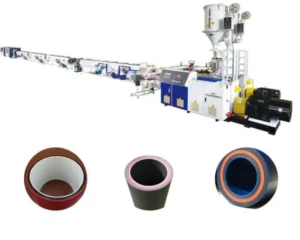
Core Components of an Extruder
Understanding the function of an extruder requires knowledge of its primary components:
- Hopper and Feeder: Begin the process of introducing a controlled amount of raw material into the extruder.
- Screws: Moves within the barrel, which provides mechanical power to convey, melt, and mix.
- Barrel: houses the heat and allows for temperature regulation via heaters and coolers.
- Drive System: powers the rotation of the screw with exact speed control.
- Die: Forms: the molten material into desired profile shapes.
- Downstream Supplies: Includes equipment for cooling, pulling, and cutting products to completion.
Each component is designed to maintain a consistent pressure, temperature, and flow; these are all critical to obtaining high-quality extrudate.
How Does an Extruder Work?
Extrusion is a series of steps that takes place simultaneously. The mechanism for working is based on the combination of mechanical, thermal, and fluid dynamics:
- Stage of feeding
The material is transferred to the extruder. Feeders can be spherical (simple rotation) or rectangular (weight-based). Constant feeding promotes consistent processing that prevents downstream issues.
- Compression and Convection
The circular motion of the screw promotes the forward movement of the material while also applying pressure and shear forces. The frictional contact between the material, screws, and the barrel’s wall leads to an initial temperature increase and promotes mixture.
- Melting
The material is melted through the following process:
- Shear heating due to rotational motion
- Intra-operative compaction of the screws
- The use of electrical heaters to heat barrels.
Tadmor’s theory of melting focuses on the fact that melting begins at the barrel’s wall and extends toward the interior, which results in a uniform temperature distribution.
- Homogenization and Mixing
The design of the screws may involve aggregating blocks or preventing flight in order to increase the uniformity of thermal and composition. Twin-screw extruders have a successful mix because of the intermeshing screws that augment the dispersion and distribution of the mix.
- Pressure Generation
The extruder blade serves as a positive displacement pump. The combination of a screw-like geometry and the resistance of the die results in pressure, and the material is then forced through the die while maintaining its original shape.
- Through the Die
The die has a role in determining the ultimate shape. Common types:
- Stuffed plastic pipes and tubes
- Tapes and sheets
- Rods and profiles
- Fiber chemicals
The design of the container affects the flow of the material, the surface finish, and the tolerances of dimensions.
- Cooling and Solidification
Extrudates are immediately frozen after being released from the die to prevent distortion. Cooling methods include air cooling, water cooling, or a vacuum system. Effective cooling methods preserve the mechanical properties and the accuracy of dimensions.
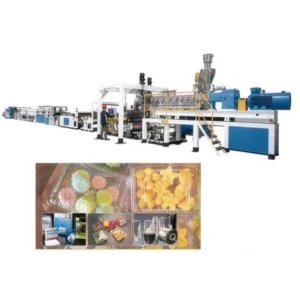
Single-Screw vs Twin-Screw Extruders
| Feature | Single-Screw Extruder | Twin-Screw Extruder |
| Mixing Capability | Moderate | Excellent |
| Pressure Stability | High | High |
| Material Flexibility | Limited | Very High |
| Typical Applications | Pipes, sheets, films | Compounding, chemical fibers, and food |
| Cost | Lower | Higher |
Single-screw extruders are simple, cost-effective, and ideal for thermoplastics with consistent formulations. Twin-screw extruders excel in high-shear, multi-material, or reactive processing applications.
Screw Design: The Heart of Extrusion
The screw is the most important component of an extruder; it’s responsible for controlling the flow of material, integrating into a mixture, and producing a quality output. Key components include:
- Screw Geometrics: Different configurations—feed, compaction, and metering— regulate the flow of material, melt, and pressure.
- Homogenization Capability: Unique designs, such as twin-screw or barrier screws, enhance the uniformity of ingredients, reduce defects, and improve efficiency.
- Custom Designs: Custom screws can be designed for specific polymers, composites, or high-fidelity materials.
Key Insight: A proper design of the screw will lead to a consistent quality of the product, a high volume of production, and a limited degradation of the material.
Barrel Heating and Thermal Management
The extruder barrel offers a controlled temperature and humidity to maintain the consistency of the material during processing.
- Zoned Heating: Multiple individual zones with independent controls allow for a precise temperature profile along the screw.
- Cooling Systems: Essential for temperature-sensitive polymers or combinations of materials.
- Temperature-sensing devices: Constant surveying prevents overheating and degradation, and ensures energy efficiency.
Key Insight: Effective thermal management has a direct effect on the quality of the material, the amount of energy consumed, and the stability of the process.
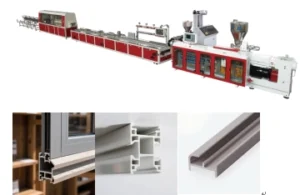
Industrial Applications of Extruders
Extruders have a lot of versatility in industrial manufacturing. Common uses include:
- Plastic and polymer extrusion: Sheets, films, tubes, patterns, and fibers
- Combining: The combination of polymers with other substances, including fillers, colorants, or supplements, to improve the properties of the polymer.
- Food industry: The production of pasta, snack food, and the extrusion of cereals is mentioned.
- Chemical and pharmaceutical: Bars, ropes, and bottles with a controlled release system.
- Recycling: The reprocessing of waste plastics into consumable raw materials.
Key Insight: Extruders are essential to mass production, the production of precision, consistent products, and the properties of the material.
Common Extrusion Defects and Causes
| Defect | Cause | Mitigation |
| Melt fracture | High shear rate | Adjust screw speed, die design |
| Surging | Inconsistent feeding | Use gravimetric feeders |
| Poor surface finish | Insufficient melting | Adjust barrel temperature, screw design |
| Dimensional variation | Pressure instability | Optimize the die and screw design |
Understanding the extruder working principle helps engineers troubleshoot and optimize operations.
Automation and Control Systems
Modern extruders are highly automated and have a high degree of precision.
- PLC and HMI interfaces: Temperature monitoring, speed of rotation, pressure, and torque.
- Adaptive Control: Instantaneous responses that compensate for material change.
- Data Logging and Quality Tracking: Allowing for proactive maintenance and consistent output.
- Integration: extruders can be part of automated production lines that reduce labor and error.
Key Insight: Automation increases the consistency of products, decreases downtime, and improves the efficiency of energy.
Energy Considerations
Extrusion is an expensive process that requires energy, and effective design can reduce the cost of operation:
- Screw and Barrel Effectiveness: The optimized geometry decreases the torque and requires less power from a motor.
- Insulation and Heat Recovery: Minimize the thermal loss.
- Constant-Frequency Drives (CFDs): Constantly increase or decrease the speed of a motor based on the load.
- Process optimization: Temperature, pressure, and speed are appropriate for reducing energy waste.
Key insight: Energy-efficient extruders have lower costs of production and less environmental impact.
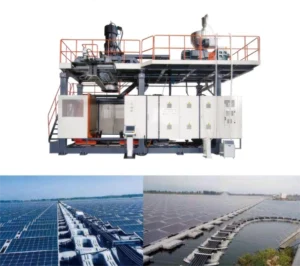
How to Clean an Extruder?
- When is it necessary to clean an extruder?
Extruders should be disinfected when:
- Changing the material (e.g., PE to PVC, from natural to colorful resin)
- Changing colors
- Preparing for downtime or shutdown
- Recognizing black spots, gelatin, or impurities in the product
- Common Cleaning Methods for the Extruder
2.1 Purging with Resin (Mechanical Purging)
This is the most common method.
Steps:
- Increase the temperature of the barrels to the level of processing of the current article.
- Feed fresh, natural resin (without color or additives)
- Travel at a slow pace until the melt appears pure.
Best for: Small color alterations and simple cleaning
Limitations: unable to effectively address material that is burned or residue that is resistant.
2.2 Chemical Purging Compounds ( Most Effective daily)
Purging compounds are intended to remove carbon accumulation, degradable polymers, and color impurities.
Steps:
- Cease the production of the material
- Temperature the barrels according to the instructions of the compound that is being purged.
- Provide the purging substance
- Slowly rotate the screws to facilitate cleaning.
- Excessive cleaning is necessary until a clean melt is observed.
Best for: color alterations, material alterations, and carbon removal.
Advantages: Fast, safe, and minimal destruction
2.3 Cleaning with a Hand (Deep Cleaning)
Utilized during significant cleaning or infestation.
Steps:
- Turn off the extruder and allow it to cool safely.
- Deconstruct the mechanism, including the screws, the barrels, and the dies.
- Remove remnants using brass instruments, copper brushes, or wooden scrapers
- Heat the parts in a cleaning oven (if present)
- Wipe and reconfigure
⚠️ Avoid tools made of steel—they can adversely affect the screw and barrel’s surfaces.
Best for: Heavier buildup, burned polymers, and long stops
Disadvantages: Time-consuming and labor-intensive
- Cleaning the Die and the Screen Pack
Separate the die and the screen.
Use a controlled temperature or chemical process to soften the remaining residue.
Maintain the flow channels as clean as possible to avoid injury.
Substitute old screens during the reassembly.
- Safety Inquiries During the Cleaning of an Extruder.
Wear gloves that can withstand heat, a shield for the face, and extra protective clothing.
Shut down and identify the power sources.
Stick to the manufacturer’s recommendations regarding temperature and pressure.
Never direct your gaze directly at the die during the purging process.
- The most effective practices to reduce cleaning frequency.
Use genuine ingredients.
Maintain consistent temperatures during processing.
Avoid long periods of inactivity with material in the casket.
Schedule regular purging that is preventive.
Keep track of the recorded cleanliness and outcomes.
- A quick comparison of the cleaning methods currently in use.
| Method | Effectiveness | Downtime | Cost |
| Resin Purging | Low–Medium | Short | Low |
| Chemical Purging | High | Very Short | Medium |
| Manual Cleaning | Very High | Long | High |
FAQ: Extruder Meaning and Working Principle
Q1: What is the function of an extruder?
A: An extruder converts solid materials into bulk products using mechanical force, thermal energy, and pressure.
Q2: How does an extruder heat material?
A: The material is melted through the action of the screw, pressure, and barrel heaters.
Q3: What is the reason for the popularity of twin-screw extruders in manufacturing?
Twin-screw extruders have superior blending, superior heat distribution, and a greater variety of materials or processes that can be undertaken.
Q4: Can extruders adapt to different material types?
A: Yes, but the design of the barrel, the temperature of the die, and the material itself must be considered during the optimization process.
Q5: What is the distinction between single and twin-screw extruders?
Single-screw extruders are simple and effective, while twin-screw extruders have a higher degree of mixing, greater flexibility, and a more efficient processing of complex formulations.
Conclusion
An extruder is a complex machine that can convert raw materials into various shapes while maintaining their original properties. This is accomplished through a controlled mechanical, thermal, and fluidic process. The significance of this material is felt in the plastics, chemical fibers, food, pharmaceuticals, and rubber industries.
Understanding the purpose of an extruder and how it functions is crucial to improving production, troubleshooting issues, and designing effective, dependable manufacturing systems. By understanding the interactions between the design of screws, the temperature of barrels, the shape of dies, and downstream processing, engineers can take full advantage of extrusion technology to achieve modern industrial goals.




 English
  Russian
  Spanish
  Arabic
  German
  French
  Persian
  Turkish
  Bulgarian
  Czech
Czech  Dutch
Dutch  Greek
Greek  Indonesian
  Japanese
  Korean
  Polish
  Portuguese
  Romanian
  Slovenian
  Ukrainian