
Abstract:
The PVC pipe and polyethylene pipe are both popularly used in modern infrastructure, agriculture, and other systems. While both polymers are derived from the polymer family, their chemical structures, mechanical properties, installation methods, durability characteristics, and regulatory uses are different.
This article provides a comprehensive, industry-oriented comparison of polyethylene and PVC pipes that focuses on the performance characteristics, scenarios, installation concerns, cost implications, and long-term reliability of the pipes. This helps engineers, contractors, and procurement professionals to make informed decisions regarding material selection.
Introduction: Why PVC Pipe and Polyethylene Pipe Are Often Compared
In modern infrastructure and industrial projects, the choice of piping material has a direct impact on system safety, service life, installation efficiency, and total cost of ownership. Among the plastic piping options, PVC pipe and polyethylene pipe are often considered to be similar because both are composed of a lightweight material that is resistant to corrosion, and are easily available across the globe.
However, despite the aforementioned similarities, PVC pipe and polyethylene pipe are not mutually exclusive in many scenarios. Their disparities in consistency, flexibility, method of joining, pressure behavior, and environmental performance can lead to the selection of the wrong material, which can lead to early failure, increased maintenance costs, or regulatory failure.
Understanding the distinction between polyethylene and PVC pipe is crucial to professionals involved in design, building, procuring, and running systems. This article discusses the specific differences in greater detail, specifically regarding PVC pipe as the primary search term and example material.
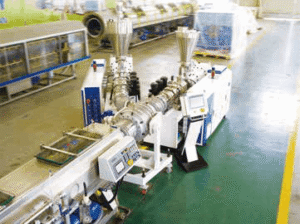
Material Composition and Polymer Structure
-
The characteristics of PVC pipe are described as follows
The PVC pipe is made from polyvinyl chloride, a thermoplastic polymer that is produced by polymerizing the monomer of vinyl chloride. The composition of chlorine atoms in the polymer’s chain is what defines PVC as a material:
High tensile strength and consistency
Good burn resistance
Extremely strong resistance to acids, alkalis, and salts
Many applications that pressure or drainage utilize unplasticized PVC (uPVC), which has a low amount of plasticizers and is highly stable in terms of dimensions. Additives like stabilizers, impact modifiers, and UV inhibitors are incorporated into products to improve their processing or performance in service.
-
The characteristics of polyethylene pipe material are described in this section
Polyethylene pipe is made from polymers like HDPE or LDPE; these polymers are also used to create polyethylene. The molecular structure of this substance is comprised of long hydrocarbons with varying levels of complexity, which results in:
High adaptability
Excellent resistance to impact
Good toughness to withstand slow crack growth
Contrasting, polyethylene pipe lacks chlorine, which contributes to its ductility and toughness; additionally, it has a lower stiffness.
Mechanical Properties and Structural Behavior
-
Rigidity and Flexibility
One of the most significant differences between PVC pipe and polyethylene pipe is the degree of rigidity.
PVC pipe is inherently flexible, which means it retains its shape when loaded and provides exceptional structural support in both buried and exposed installations. This stiffness facilitates alignment and guarantees consistent performance in the presence of static pressure.
Polyethylene pipe, however, is malleable and can be bent without breaking. This flexibility enables it to adapt to ground motion, vibrations, and thermal expansion, which is ideal for applications that have a concern with soil conditions or seismic activity.
-
Impact Resistance
Polyethylene pipe has a superior resistance to impact, which is particularly true in cold climates. The brittleness of the PVC pipe can increase at low temperatures, which increases the likelihood of cracking if not properly handled or placed.
Pressure Ratings and Long-Term Performance
-
The pressure performance of PVC Pipe
The PVC pipe is produced in standardized classes of pressure, such as Schedule 40, Schedule 80, and various SDR values. These standardized classifications facilitate the identification of PVC pipe and are commonly recognized by professional codes of engineering.
The PVC pipe is exceptional at distributing water and other fluids in industrial and residential systems where the internal pressure is constant, and the temperature is within the design range.
-
The Performance of Polyethylene Pipe in terms of Pressure
The typical pressure rating of polyethylene pipe is expressed in SDR and the material type. Modern HDPE pipes are capable of handling high internal pressure, but they are primarily flexible instead of solid to distribute the stress.
The long-term performance of polyethylene tubing is affected by the behavior of creep, which must be considered during the design of a system, particularly in high temperature or high-pressure applications.
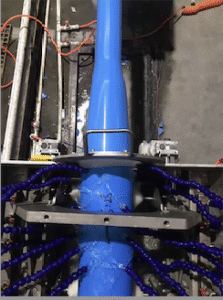
Installation Methods and Jointing Techniques
-
The process of installing PVC Pipe
The PVC pipe is typically installed using the following methods:
Solvent-based cementing
Rubber ring (fitted) joints
Mechanical associations
Solvent-based welding creates durable, leak-resistant joints, but it requires proper preparation of the surface and a curing time of approximately 48 hours. The flexibility of PVC pipe is often sufficient to require additional components in complex configurations.
-
Polyethylene Pipe Additions
Polyethylene tubing is typically connected by heat-based methods, including buttination and electrogrowing. These methods produce joints that are as strong as or stronger than the pipe itself, which diminishes the probability of leaks.
However, fusion joining is dependent on specialized equipment and dedicated personnel; these components can increase the initial cost of installation.
Chemical Resistance and Corrosion Behavior
Both the PVC pipe and the polyethylene pipe have superior corrosion resistance compared to metal-based piping systems. However, there are significant discrepancies in chemical similarity.
The pipe has a wide range of outstanding capabilities to withstand a variety of acids, alkalis, and salts. This makes it a popular choice in chemical plants, wastewater treatment facilities, and industrial fluid systems.
Polyethylene tubing is resistant to many chemicals, but it may be affected by strong oxidizing compounds or specific hydrocarbons, depending on the temperature and concentration.
Temperature Tolerance and Thermal Expansion
The maximum temperature that can be sustained by PVC pipe is approximately 60°C (140°F). At higher temperatures, its maximum pressure is significantly reduced.
Polyethylene pipe has a more flexible composition and is less likely to break under the influence of freezing temperatures. However, being exposed to elevated temperatures for a long time can lead to material degradation.
Also, the thermal expansion rate of polyethylene is higher; this must be taken into account when designing a system.
Durability, Lifespan, and Maintenance
When properly constructed and placed, both polyethylene pipe and PVC pipe have a service life of over 50 years.
The benefits of PVC pipe include its high dimensional stability and resistance to chemical damage, which results in a low amount of maintenance required in most applications.
The pipe has a high resistance to fatigue and a slow rate of crack growth, which makes it ideal for dynamic environments. Maintenance is generally low, but fusion joints need to be installed with care.
Environmental and Sustainability Considerations
Environmental factors are increasingly significant in the selection of pipe materials.
The production of PVC pipe involves the chemistry of chlorine and supplements, which have historically caused environmental concerns. However, the long lifespan, low maintenance requirements, and recyclability of PVC pipe help to mitigate its environmental impact.
Polyethylene tubing is often considered more environmentally friendly because of its simpler chemistry and greater recyclability; however, its lower consistency may necessitate additional material in certain scenarios.
Cost Factors and Economic Comparison
From a revenue perspective, PVC pipe is typically less expensive initially, this is especially for smaller to medium-sized diameters. The commonality of the fittings and their widespread availability reduces the cost of installation.
Polyethylene tubing may have higher initial costs associated with the equipment and labor necessary for fusion. However, a lower number of joints and a lower rate of leakage can both reduce the long-term cost of operation.
Typical Applications of PVC Pipe vs Polyethylene Pipe
| Application Area | PVC Pipe | Polyethylene Pipe |
| Water supply | Widely used for municipal systems | Used for transmission and service lines |
| Drainage & sewer | Excellent rigidity and flow control | Limited use |
| Industrial fluids | Strong chemical resistance | Application-specific |
| Gas distribution | Rarely used | Common (HDPE) |
| Irrigation | Cost-effective, rigid layouts | Flexible, terrain-adaptive |
Frequently Asked Questions (FAQ)
Q1: What is the primary purpose of PVC pipe?
The flexible nature of PVC pipe is beneficial in many applications, including water distribution, drainage, sewage systems, irrigation, and industrial transportation of fluids. Because of its chemical stability, long service life, and rigidity, it is commonly used in these fields.
Q2: Is polyethylene pipe more popular than PVC pipe?
Neither material is consistently superior. The different types of pipe have different capabilities and are best suited for different applications and environments.
Q3: Is it possible to use PVC pipe in the subterranean?
Yes, PVC pipe is typically employed in the subterranean environment for water and sewer transportation when installed in accordance with the relevant standards and following proper bedding procedures.
Q4: Which pipe is more durable, PVC or polyethylene?
Both the PVC pipe and the polyethylene pipe can have a lifespan of over 50 years if they are properly installed and maintained.
Q5: Is the plastic pipe safe to drink water from?
The manufacture of PVC pipe to meet drinking water standards is sanctioned in many parts of the world.
Q6: What is the reason for the common use of polyethylene tubing for gas lines?
The flexible, tough, and resistant nature of polyethylene pipe makes it ideal for the distribution of gases.
Conclusion
The distinction between polyethylene and PVC pipe is based on their polymer composition, mechanical properties, installation methods, and the ideal uses of each. The flexible nature of the PVC pipe enables it to withstand stress, have a consistent size, and have superior chemical resistance that enables it to be used in water distribution, drainage, and industrial systems. Polyethylene pipe has a variety of properties, including flexibility, impact resistance, and versatility in dynamic environments like the gas distribution system and seismic regions. Selecting the appropriate material for the pipe is a complex process that takes into account the operating conditions, the installation limitations, the regulatory requirements, and the expected long term performance. When selected correctly, both PVC pipe and polyethylene pipe offer long-lasting, efficient, and cost-effective piping options.


 English
  Russian
  Spanish
  Arabic
  German
  French
  Persian
  Turkish
  Bulgarian
  Czech
Czech  Dutch
Dutch  Greek
Greek  Indonesian
  Japanese
  Korean
  Polish
  Portuguese
  Romanian
  Slovenian
  Ukrainian