
May 28, 2025 — The U.S. Federal Court delivered a significant ruling, blocking the tariff policy announced by former President Donald Trump on April 2 (“Liberation Day”) from taking effect. The court ruled that Trump overstepped his authority by imposing broad tariffs on countries with higher exports to the U.S. than imports.
Event Recap
On April 2, the Trump administration announced a tariff policy that aimed to set a baseline tariff of 10% on all trade partners, with differentiated “reciprocal tariffs” imposed on countries with trade deficits with the U.S. For example, China was to face a 34% tariff, Vietnam 46%, and Cambodia 49%. These tariffs were scheduled to be phased in between April 5 and April 9, but were halted by the court.
Impact on the Plastics Industry Exports
- Short-term Relief for Export Pressure:
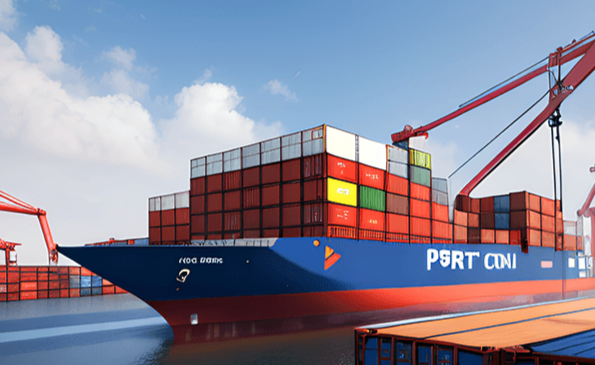
Had the tariff policy been implemented, plastic products exported from countries like China to the U.S. would have faced steep tariffs, increasing export costs and reducing competitiveness in the U.S. market. This could have led to a significant drop in order volumes. The court’s injunction maintains current cost levels for exporters in the short term, preserving their price competitiveness and helping to sustain or even expand their export shares, thereby stabilizing orders and revenues. - Long-term Uncertainty Remains:
Although the policy is currently blocked, the Trump administration has filed an appeal. The future direction of this policy remains unclear. If the tariffs are reinstated or similar measures emerge, plastic exporters may once again face rising costs and shrinking orders. Companies must closely monitor policy developments and prepare accordingly.
Impact on the U.S. Domestic Plastics Industry
- Raw Material Supply and Costs:
The U.S. plastics sector relies partially on imported raw materials, such as chemical feedstocks used in plastic manufacturing. Tariffs on these imports would raise costs and squeeze profit margins. The court ruling helps stabilize raw material supply and prices, preventing unreasonable cost increases and ensuring smooth production operations. - Market Competition Landscape:
The original tariff plan could have increased costs for domestic plastic manufacturers dependent on imported inputs, weakening their market position and possibly forcing production cuts or shutdowns. With the tariffs halted, these businesses can continue operating in a more stable environment, preserving competitive balance. This stability may also encourage new investments and attract new market entrants, fostering healthier competition and industry growth.
Impact on the Global Plastics Industry
- Trade Pattern Adjustments:
The U.S. is a major consumer market for plastic products worldwide. The uncertainty and reversals surrounding these tariffs have disrupted global trade planning. Plastic companies around the world may revise their strategies, explore alternative markets, or diversify their customer base. This will reshape global plastics trade, accelerating resource optimization and encouraging more diversified market development. - Supply Chain and Industry Restructuring:
To mitigate risks from U.S. tariff uncertainty, multinational plastics firms might reconsider their global supply chains, potentially relocating some manufacturing to other countries or regions. They may also increase diversification and decentralization of supply chains. This will drive a reshaping of the global plastics industry chain, fostering industrial transfer and regional collaboration, and presenting new opportunities and challenges for plastics sectors in other parts of the world.
The U.S. Federal Court’s decision to block Trump’s tariff policy provides temporary relief to the plastics industry amid ongoing trade tensions. However, given the unpredictability of U.S. trade policies and the complexity of the global economic environment, the plastics sector must remain vigilant. Proactively adjusting business strategies and strengthening competitiveness will be essential to navigate potential risks and uncertainties in the future.




 English
  Russian
  Spanish
  Arabic
  German
  French
  Persian
  Turkish
  Bulgarian
  Czech
Czech  Dutch
Dutch  Greek
Greek  Indonesian
  Japanese
  Korean
  Polish
  Portuguese
  Romanian
  Slovenian
  Ukrainian