
Pallet blow molding machines represent a significant advancement in the manufacturing of large, hollow plastic items, particularly pallets used for material handling and storage. This article delves into the intricacies of pallet blow molding machines, exploring their functionality, design features, applications, and the advantages they offer in the industry.
Understanding Blow Molding
Blow molding is a manufacturing process used to produce hollow plastic parts. It involves inflating a heated plastic parison (a tube-like piece of plastic) within a mold to form the desired shape. The process is widely employed for producing a range of products, from bottles and containers to larger items like pallets.
Types of Blow Molding
There are three primary types of blow molding:
- Extrusion Blow Molding: In this method, plastic is extruded into a parison, which is then clamped into a mold. Air is blown into the parison to create the hollow shape.
- Injection Blow Molding: This combines injection molding and blow molding. The process begins with injecting plastic into a mold to form a preform, which is then transferred to a blow mold where air is used to create the final shape.
- Stretch Blow Molding: This method is often used for producing bottles. It involves stretching the parison axially and then blowing it into the mold. This technique enhances the material’s strength and clarity.
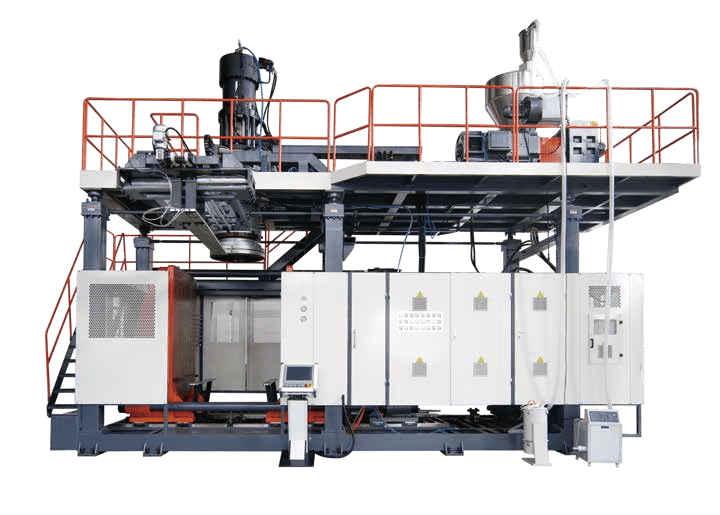
Pallet blow molding machines primarily utilize the extrusion blow molding technique due to the specific requirements for producing durable and sturdy pallets.
The Design of a Pallet Blow Molding Machine
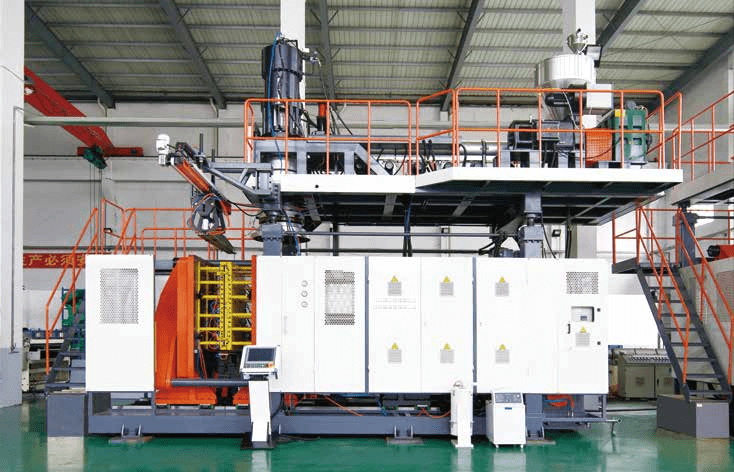
Pallet blow molding machines are designed to cater to the unique demands of manufacturing plastic pallets. Here are some critical components and features:
1. Feeding System
The feeding system is responsible for conveying raw plastic material, typically in the form of granules or pellets, into the extruder. The choice of material is crucial; high-density polyethylene (HDPE) and polypropylene (PP) are common due to their strength and durability.
2. Extruder
The extruder melts the plastic pellets and forms a continuous parison. The design of the extruder impacts the uniformity of the material flow, temperature control, and overall efficiency of the molding process.
3. Mold System
Molds are integral to the blow molding process. In pallet manufacturing, molds are typically large and designed to produce sturdy pallets that can withstand heavy loads. The molds must be precisely engineered to ensure accuracy in dimensions and a smooth finish.
4. Blowing System
Once the parison is formed, the blowing system injects air into the parison, expanding it to fill the mold. The blowing pressure and timing are critical for ensuring the integrity and strength of the final product.
5. Cooling System
After the plastic has cooled and solidified in the mold, the cooling system helps maintain the shape and dimensional stability of the pallet. Proper cooling is vital for preventing warping and ensuring that the pallets can handle heavy loads without deformation.
6. Ejection System
After cooling, the ejection system removes the finished pallet from the mold. This process must be efficient to minimize production downtime and maintain high throughput.
Applications of Pallet Blow Molding Machines
Pallet blow molding machines are primarily used in manufacturing plastic pallets, which are critical in various industries:
1. Logistics and Transportation
Plastic pallets are lightweight, durable, and resistant to moisture, making them ideal for logistics and transportation applications. They can withstand harsh handling and environmental conditions, reducing the risk of damage during transit.
2. Food and Beverage Industry
In the food and beverage industry, hygiene is paramount. Plastic pallets do not harbor bacteria as wood pallets can, making them a preferred choice for transporting food items. They are also easy to clean and disinfect, ensuring compliance with health regulations.
3. Pharmaceutical Industry
Similar to the food industry, the pharmaceutical sector requires materials that meet strict hygiene standards. Plastic pallets produced by blow molding machines offer a solution that ensures the safe transport of sensitive products.
4. Manufacturing and Retail
Manufacturers and retailers use plastic pallets for efficient storage and handling of goods. Their strength and durability ensure that they can support heavy loads, making them suitable for warehouses and distribution centers.
5. Recycling and Environmental Applications
Many pallet blow molding machines are designed to process recycled materials, contributing to sustainability efforts in the industry. Using recycled plastic not only reduces waste but also lowers production costs.
Advantages of Using Pallet Blow Molding Machines
The adoption of pallet blow molding machines comes with several advantages that enhance productivity and product quality:
1. Cost Efficiency
Blow molding machines offer high production rates and low labor costs. The automated processes reduce the need for manual intervention, leading to significant savings in operational costs.
2. Material Efficiency
The blow molding process minimizes waste as it can utilize the same material for various products. The ability to use recycled plastics further enhances material efficiency and reduces production costs.
3. Durability and Strength
Plastic pallets produced through blow molding are known for their high strength-to-weight ratio. They can endure heavy loads and resist damage from moisture, chemicals, and temperature variations, ensuring long service life.
4. Customizability
Pallet blow molding machines can produce pallets in various sizes and designs, catering to specific industry needs. Customization options include different colors, branding, and added features such as runners or lips for enhanced functionality.
5. Hygienic Properties
The non-porous nature of plastic pallets makes them resistant to bacterial growth. This property is particularly important in industries where cleanliness is critical, such as food and pharmaceuticals.
6. Lightweight
Plastic pallets are significantly lighter than their wooden counterparts, making them easier to handle and transport. This weight reduction contributes to lower shipping costs and improved efficiency in material handling.
Future Trends in Pallet Blow Molding Machines
As industries evolve, so do the technologies associated with pallet blow molding machines. Some future trends include:
1. Increased Automation
Advancements in automation technology are expected to enhance the efficiency and precision of blow molding processes. Automated systems can improve cycle times and reduce labor costs, making production more streamlined.
2. Sustainability Initiatives
As environmental concerns continue to grow, the demand for sustainable materials and processes is on the rise. Future machines may increasingly incorporate recycling capabilities and use eco-friendly materials.
3. Smart Technology Integration
The integration of smart technology, such as IoT (Internet of Things) and AI (Artificial Intelligence), could optimize production processes. Real-time monitoring and predictive maintenance will enhance machine performance and reduce downtime.
4. Customization and Design Innovation
As markets become more competitive, the demand for custom pallets will increase. Future blow molding machines may offer enhanced capabilities for producing customized designs, allowing manufacturers to cater to specific client needs.
Conclusion
Pallet blow molding machines are essential tools in the production of durable, lightweight, and hygienic plastic pallets. Their design and functionality contribute significantly to various industries, enhancing efficiency and sustainability in material handling and storage. As technology continues to evolve, the capabilities of these machines will likely expand, further solidifying their role in modern manufacturing processes. The ongoing emphasis on automation, sustainability, and customization will shape the future of pallet production, making these machines an integral part of the industrial landscape.




 English
  Russian
  Spanish
  Arabic
  German
  French
  Persian
  Turkish
  Bulgarian
  Czech
Czech  Dutch
Dutch  Greek
Greek  Indonesian
  Japanese
  Korean
  Polish
  Portuguese
  Romanian
  Slovenian
  Ukrainian