
In the modern construction and manufacturing industries, waterproofing has become a crucial element for ensuring the longevity, durability, and functionality of buildings, infrastructure, and products. A waterproof membrane extrusion line plays a vital role in producing high-quality waterproof membranes, which are widely used in applications such as roofing, foundation sealing, underground construction, and industrial flooring. These membranes provide a protective barrier that prevents water from penetrating structures, helping to avoid costly damage and maintenance issues.
This article will explore the details of a waterproof membrane extrusion line, including how it works, the types of membranes it produces, its components, and the various industries and applications where these membranes are essential. By the end, you’ll have a comprehensive understanding of the importance of waterproof membrane extrusion lines in both industrial production and practical applications.
1. Overview of a Waterproof Membrane Extrusion Line
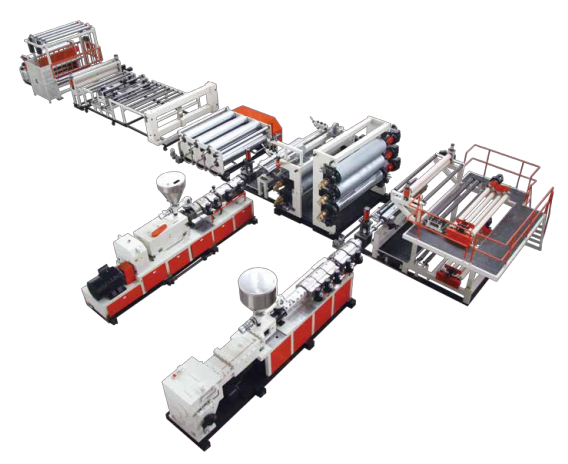
A waterproof membrane extrusion line is a specialized manufacturing system designed to produce waterproof membranes by extruding a polymer material, typically polyethylene (PE), polypropylene (PP), or bitumen, through an extrusion process. This line is a series of interconnected machines that work together to shape, form, and cure the membrane, creating a product that is durable, flexible, and resistant to water penetration.
The extrusion process involves melting and forming the polymer material into a continuous sheet or film that can be cut into different lengths, widths, and thicknesses to suit various applications. The membranes produced on this line can be used for applications in construction, civil engineering, agriculture, and many other industries that require high-quality waterproofing solutions.
2. Key Components of a Waterproof Membrane Extrusion Line
A typical waterproof membrane extrusion line consists of several key components, each designed to perform a specific function in the production process. These components work together to ensure the final product meets the desired quality standards. Some of the most important parts of the extrusion line include:
a. Extruder
The extruder is the heart of the waterproof membrane extrusion line. It is responsible for melting and mixing the raw materials (such as polyethylene, polypropylene, or bitumen) before they are extruded into the desired shape. The extruder consists of a heated barrel, screw, and motor that work together to melt and feed the polymer material through the die. The screw helps in evenly distributing the heat and applying pressure to the material to achieve a consistent flow. The extrusion process enables the polymer to be shaped into a continuous film that is the foundation of the waterproof membrane.
b. Extrusion Die
Once the material has been melted in the extruder, it is forced through a specially designed extrusion die. The die is responsible for shaping the molten polymer into a flat, continuous sheet or film. The design of the die is critical to the quality of the final product, as it determines the thickness, width, and surface characteristics of the membrane. The extrusion die can be adjusted to create membranes of varying thicknesses, which is essential for meeting the specific requirements of different waterproofing applications.
c. Cooling System
After the polymer material has been extruded into the desired shape, it must be cooled to solidify the membrane. This is where the cooling system comes into play. Typically, the cooling system uses either air or water to rapidly cool the membrane and prevent any distortion or warping. The cooling process is essential to ensuring the membrane retains its uniform thickness and flatness, which is important for its performance as a waterproof barrier.
d. Calibration and Sizing Unit
The calibration and sizing unit helps in adjusting and controlling the dimensions of the extruded membrane. This unit ensures that the membrane has the correct width and thickness, as well as uniformity across the entire sheet. The calibration system often includes a set of rollers and a vacuum calibration tank that gently pulls the membrane to its final size. This step helps maintain the integrity and consistency of the product.
e. Haul-Off Unit
Once the membrane has been cooled and calibrated, the haul-off unit is responsible for pulling the membrane at a controlled speed through the extrusion line. This unit ensures that the film is drawn through the process without any tension or stretching, which could compromise the quality of the membrane. The haul-off unit also helps in maintaining the continuous production flow.
f. Winding/Coiling Unit
The final component of the waterproof membrane extrusion line is the winding or coiling unit. Once the membrane has been extruded, calibrated, and cooled, it is rolled into large coils or wound into reels for easy storage, transportation, and distribution. The winding unit ensures that the membrane is neatly and evenly wound, preventing any damage or creasing during the process.
3. Types of Waterproof Membranes Produced by the Extrusion Line
A waterproof membrane extrusion line can produce a variety of waterproof membranes, each tailored to specific applications. The most common types include:
a. PE Waterproof Membranes (Polyethylene)
Polyethylene is one of the most widely used materials for waterproof membranes due to its excellent water resistance, chemical stability, and durability. PE waterproof membranes are commonly used in applications such as roofing, foundations, basements, and tunnels. These membranes are flexible, UV-resistant, and can withstand various environmental conditions.
b. PP Waterproof Membranes (Polypropylene)
Polypropylene is another polymer used in waterproof membrane production. It is known for its high tensile strength, chemical resistance, and resistance to environmental stress cracking. PP waterproof membranes are typically used in applications where high-performance materials are required, such as in industrial settings or in environments exposed to harsh chemicals or extreme temperatures.
c. Bituminous Waterproof Membranes
Bituminous membranes are produced using bitumen as the primary material and are often used for roofing applications. These membranes provide excellent waterproofing properties and have good adhesion to surfaces such as concrete, metal, and wood. Bituminous waterproof membranes are typically reinforced with polyester or fiberglass to enhance their strength and durability.
d. Self-Adhesive Waterproof Membranes
Self-adhesive membranes are produced with an adhesive layer that allows the membrane to bond directly to the surface without requiring additional adhesive materials. These membranes are often used in applications such as roofing, foundations, and tunnels, where quick and easy installation is desired.

4. Applications of Waterproof Membranes
Waterproof membranes produced by a waterproof membrane extrusion line serve a wide range of applications across various industries. Some of the most common uses include:
a. Construction Industry
In the construction industry, waterproof membranes are used to protect buildings from water damage. These membranes are commonly installed in foundations, basements, roofs, and walls to prevent water penetration that can lead to structural damage, mold growth, and other issues. Waterproof membranes also play a critical role in protecting underground structures, such as tunnels, parking garages, and subways, from groundwater ingress.
b. Landfills and Environmental Protection
Waterproof membranes are also used in environmental applications such as landfills and waste management. These membranes act as liners to prevent the leakage of hazardous liquids or contaminants into the surrounding soil and groundwater. The waterproofing capabilities of these membranes are crucial in protecting the environment and maintaining compliance with environmental regulations.
c. Agriculture and Irrigation
In agriculture, waterproof membranes are used to create irrigation systems, reservoirs, and ponds that help retain water and prevent leakage. These membranes can also be used for soil erosion control, protecting crops from water damage and ensuring efficient water management in agricultural areas.
d. Industrial Applications
Industrial applications, such as chemical storage and containment systems, often require highly durable and chemically resistant waterproof membranes. Waterproof membrane extrusion lines can produce membranes with the necessary chemical resistance, making them suitable for use in factories, warehouses, and other industrial environments where exposure to harsh chemicals is common.
5. Advantages of Using a Waterproof Membrane Extrusion Line
Using a waterproof membrane extrusion line for manufacturing waterproof membranes offers several significant advantages, including:
a. Cost Efficiency
Extruding waterproof membranes through an automated extrusion line is a highly efficient process that reduces labor costs and material waste. The ability to produce large quantities of membranes quickly and consistently helps reduce production costs, which can lead to lower prices for consumers.
b. High Precision and Consistency
A waterproof membrane extrusion line ensures precise control over the thickness, width, and quality of the membrane. This level of consistency is critical for ensuring that the membranes meet the required performance standards for waterproofing applications.
c. Customization
Extrusion lines allow for the production of membranes with specific characteristics, such as varying thicknesses, surface textures, and material properties. This flexibility allows manufacturers to produce customized solutions for different applications, whether for general construction, industrial, or specialized use.
d. Durability and Reliability
The membranes produced on a waterproof membrane extrusion line are designed to be durable and reliable. With proper manufacturing processes, these membranes can withstand extreme weather conditions, UV exposure, and physical stress, providing long-lasting waterproofing protection.
Conclusion
A waterproof membrane extrusion line is an essential piece of equipment in the production of high-quality waterproof membranes used in a wide range of applications. By using advanced technology and materials, these extrusion lines produce durable, flexible, and cost-effective membranes that offer superior water resistance. Whether used in construction, industrial settings, or environmental protection, waterproof membranes are a crucial part of ensuring the safety and longevity of structures and systems exposed to water. The versatility, precision, and efficiency of the extrusion line make it a critical tool in meeting the growing demand for effective waterproofing solutions.



 English
  Russian
  Spanish
  Arabic
  German
  French
  Persian
  Turkish
  Bulgarian
  Czech
Czech  Dutch
Dutch  Greek
Greek  Indonesian
  Japanese
  Korean
  Polish
  Portuguese
  Romanian
  Slovenian
  Ukrainian