
Abstract:
In polymer processing and additive manufacturing systems, understanding the difference between an extruder and a nozzle is essential for controlling material flow, melt behavior, and the quality of the final product.
Based on polymer flow and rheology principles described in Polymer Extrusion by Chris Rauwendaal and the manufacturing system frameworks detailed in Manufacturing Engineering and Technology by Serope Kalpakjian, extrusion systems include stages such as material feeding, melting, pressurization, shaping, and discharge.
The extruder is the main mechanical part that moves, melts, blends, and pressurizes material. The nozzle functions as the final flow control part that molds or guides the molten material. Engineering standards issued by the Society of Plastics Engineers distinguish between upstream melt production and downstream flow shaping parts in extrusion systems.
This industry-level guide for 2026 offers a detailed technical explanation of the differences between the jwell extruder and the nozzle in plastic extrusion lines, rubber processing systems, food extrusion equipment, and 3D printing platforms.
Overview: Why the Extruder–Nozzle Distinction Matters?
In industrial production and additive manufacturing, confusing the extruder with the nozzle can result in flawed system design, incorrect troubleshooting, and poor procurement choices. Although many systems physically connect the nozzle to the extruder, they serve distinctly different engineering roles.
At a system level:
- The extruder produces and manages the flow of melted material.
- The nozzle molds or guides the pressurized material.
This upstream versus downstream distinction is essential for:
- Improving polymer processing efficiency
- Accuracy of dimensions
- Control of surface finish
- Stability of pressure
- Planning of maintenance
Comprehending this separation allows engineers to enhance throughput, decrease defects, and lower downtime.
What Is an Extruder? Technical Definition and Core Functions
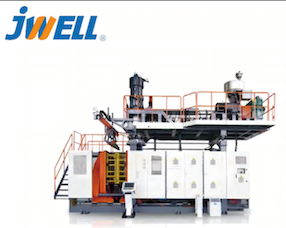
The extruder serves as the main processing component in extrusion systems. It transforms raw materials such as pellets, granules, powder, or filament into a uniform, pressurized, molten flow.
Core Components of an Extruder
A typical single-screw extruder consists of:
- Hopper (for feeding material)
- Barrel (a heated cylindrical chamber)
- Rotating screw (for conveying and compression)
- Heating elements
- Drive motor
- Gearbox
- Die interface
Twin-screw extruders incorporate intermeshing screws to improve mixing and compounding.
Mechanical Functions of the Extruder
The extruder carries out several functions at the same time:
- It feeds raw material
- It moves the material forward
- It melts the material through shear and heat
- It mixes additives
- It pressurizes the melt
- Metering output
Without the extruder, no stable molten flow exists for shaping.
What Is a Nozzle? Structural and Flow-Control Perspective
The nozzle is a component that shapes the downstream flow and is attached to the extruder or hot end assembly. It manages the final discharge properties of the molten material.
Core Functions of the Nozzle
- Directs flow
- Controls the outlet diameter
- Maintains pressure
- Affects surface finish
- Defines the final geometry
In 3D printing systems, the nozzle diameter directly influences print resolution and layer width. In industrial extrusion lines, the nozzle might be integrated into or placed before a die assembly.
Structural Comparison: Extruder vs. Nozzle
Fundamental Differences
| Feature | Extruder | Nozzle |
| System Position | Upstream | Downstream |
| Primary Role | Melt generation & pressurization | Flow shaping & discharge |
| Complexity | High (multi-component system) | Simple precision component |
| Energy Consumption | High | Minimal |
| Controls | Temperature, pressure, mixing | Output diameter & direction |
| Replacement Frequency | Low | Moderate–High |
This structural distinction highlights that the extruder is a processing machine, while the nozzle is a precision output device.
Pressure and Flow Dynamics
Understanding pressure generation clarifies their different responsibilities.
Extruder Pressure Generation
The pressure in the extruder screw is produced by:
- reducing the channel depth
- inducing melting through shear
- creating compression zones
- and regulating back pressure
Stable pressure is necessary to maintain consistent output.
Nozzle Flow Regulation
The nozzle offers the final resistance to flow, with its internal diameter and taper angle affecting:
- Shear rate
- Surface smoothness
- Flow velocity
- Dimensional accuracy
An improperly sized nozzle can cause back pressure fluctuations even if the extruder is functioning correctly.
Flow and Pressure Roles
| Parameter | Controlled by Extruder | Influenced by Nozzle |
| Melt Homogeneity | Yes | No |
| Flow Rate | Yes | Indirectly |
| Output Diameter | No | Yes |
| Back Pressure | Yes | Yes |
| Surface Finish | Indirect | Direct |
Thermal Management Differences
Thermal control differs fundamentally between extruders and nozzles because of their scale, function, and process dynamics.
Extruder Thermal Management
In traditional polymer extrusion, such as single-screw or twin-screw systems:
- There are multiple heating zones along the barrel
- Temperature systems are controlled by PID
- Melting and homogenization occur gradually
- Shear heating results from screw rotation
Thermal objectives include:
- Achieving a uniform melt temperature
- Preventing polymer degradation
- Control viscosity
- Ensure stable output pressure
Poor barrel temperature control can cause:
- Inconsistent melt flow
- Burn marks
- Molecular degradation
- Output fluctuations
Extruders rely on both external heaters and internal mechanical shear for heat generation.
Nozzle Thermal Management
The nozzle operates at the final stage of material discharge.
Key characteristics:
- Smaller thermal mass
- Rapid heat loss risk
- High sensitivity to temperature fluctuation
- Prone to clogging if underheated
Thermal objectives:
- To keep the melt temperature stable at the exit
- To prevent early solidification
- To avoid overheating and stringing
In 3D printing applications, the nozzle temperature frequently influences:
- Layer adhesion
- Surface finish
- Dimensional accuracy
The nozzle requires precise localized heat control rather than zoned heating.
Thermal Risk Comparison
| Factor | Extruder | Nozzle |
| Heat Source | Barrel heaters + shear | Local heater block |
| Thermal Stability | Multi-zone control | Single-point sensitivity |
| Overheating Risk | Polymer degradation | Oozing & stringing |
| Underheating Risk | Poor mixing | Clogging |
Application-Specific Differences
Extruders and nozzles are chosen according to process needs.
Extruder Applications
They are used in:
- Plastic sheet manufacturing
- Pipe and profile extrusion
- Compounding
- Film blowing
- Filament manufacturing
- Feeding filament for 3D printing
The extruder determines:
- Throughput rate
- Mixing quality
- Material compatibility
- Production scale
Industrial extruders manage high output volumes and operate continuously.
Nozzle Applications
Nozzles determine:
- Output shape
- Flow accuracy
- Surface finish
In 3D printing:
- 0.2 mm → Fine detail
- 0.4 mm → Standard
- 0.6+ mm → Faster deposition
In industrial extrusion:
- Die/nozzle assemblies regulate profile geometry
- Tolerance accuracy
- Flow uniformity
The final geometry accuracy is determined by the nozzle.
Process Dependency
Extruder:
It governs material preparation.
Nozzle:
It governs the final deposition accuracy.
You cannot compensate for poor extrusion with a better nozzle, and vice versa.
Industry Application Comparison
| Industry | Extruder Role | Nozzle Role |
| Plastic Pipe | Melt & pressurize | Define pipe outlet |
| 3D Printing | Feed & melt filament | Print precision layers |
| Rubber Processing | Compound mixing | Direct shaping |
| Food Industry | Cook & blend | Shape product |
Maintenance and Wear Differences
Wear mechanisms differ greatly.
Extruder Wear
Common areas affected include screw flights, the inner surface of the barrel, the feed throat, and gearbox components.
Causes involve abrasive fillers such as glass fiber and carbon fiber, high pressure, and extended production cycles.
Symptoms include decreased throughput, pressure fluctuations, and inconsistent melting.
Maintenance often necessitates partial disassembly.
Nozzle Wear
Common problems are orifice enlargement, internal clogging, carbon buildup, and surface abrasion.
Materials like carbon fiber-filled filament speed up nozzle wear.
Brass nozzles are inexpensive but wear rapidly when exposed to abrasive materials.
Hardened steel or ruby-tipped nozzles are more durable.
Longer lifespan
Higher upfront cost
Nozzle replacement is typically faster and simpler than extruder repair.
Maintenance Complexity Comparison
| Aspect | Extruder | Nozzle |
| Replacement Time | High | Low |
| Cost of Downtime | Significant | Moderate |
| Wear Frequency | Slower but critical | Faster but manageable |
| Maintenance Skill Required | High | Low to moderate |
Cost and Procurement Considerations
The investment scale varies significantly.
Extruder Cost Factors
These are affected by:
- Screw diameter
- L/D ratio
- Motor power
- Heating zones
- Control system sophistication
- Material compatibility
Industrial extruders are capital equipment investments.
ROI is influenced by:
- Output volume
- Energy efficiency
- Production uptime
Nozzle Cost Factors
These depend on:
- Material (brass, hardened steel, carbide, ruby)
- Precision tolerance
- Diameter size
- Coating type
Nozzles serve as consumable components in many systems.
Procurement strategies often include:
- Bulk purchasing
- Application-specific inventory
- Quick replacement availability
Lifecycle Cost Perspective
Extruder:
- High initial cost
- Long service life
- Significantly impacts productivity
Nozzle:
- Low individual cost
- Frequent replacement
- Direct impact on quality consistency
Ignoring nozzle wear can increase scrap rates.
Cost & Lifecycle Comparison
| Factor | Extruder | Nozzle |
| Initial Cost | High | Low |
| Lifespan | 10–20 years | Months–Years |
| Replacement Frequency | Rare | Frequent |
| Customization | System-level | Diameter-specific |
Common Misconceptions
Understanding misconceptions helps avoid costly errors.
Misconception 1: The Nozzle Controls Melt Quality
Reality:
- Melt quality is mainly determined by the extruder
- The nozzle’s role is to shape and direct the flow
Misconception 2: Bigger Nozzle Means Faster Production Without Tradeoffs
A larger nozzle:
- Increases the flow rate
- Reduces resolution
- May influence cooling dynamics
Application must align with the design intent.
Misconception 3: Extruder and Nozzle Materials Are Interchangeable
Extruder screws need:
- High wear resistance
- High torque tolerance
Nozzles require:
- Heat conductivity
- Orifice precision
- Abrasion resistance
They perform different engineering functions.
- Misconception 4: Temperature Alone Solves Flow Issues
Flow problems may stem from:
- Screw wear
- Back pressure imbalance
- Material moisture
- Incorrect nozzle diameter
Holistic system analysis is required.
Engineering Optimization in 2026
Recent trends include:
- Smart extruder monitoring systems
- AI-based melt pressure control
- Wear-resistant coated screws
- Hardened steel or ruby-tipped nozzles
- Energy-efficient heating systems
Industry 4.0 integration increasingly separates extruder control systems from interchangeable nozzle configurations.
FAQ Section
- Is the extruder the same as the nozzle?
No. The extruder melts and pressurizes material; the nozzle shapes and directs the output.
- Can changing the nozzle improve print quality?
Yes. In 3D printing and precision extrusion, nozzle diameter directly impacts resolution and surface finish.
- Which component controls material melting?
The extruder barrel and screw system control melting.
- Why do nozzles clog more often?
Because they have narrow openings and experience high shear rates.
- Is the nozzle part of the extruder?
It is attached downstream but functions separately within the system.
Conclusion
The extruder is the main mechanical component responsible for melting, mixing, compressing, and measuring material. The nozzle serves as the precise outlet that manages flow shape and the final discharge properties.
In 2026, engineers and production managers who understand this difference can choose equipment more effectively, enhance process control, achieve more consistent products, and develop more intelligent maintenance plans.
Rather than viewing them as interchangeable terms, recognizing their complementary roles is essential for efficient extrusion system design and long-term operational excellence.



 English
  Russian
  Spanish
  Arabic
  German
  French
  Persian
  Turkish
  Bulgarian
  Czech
Czech  Dutch
Dutch  Greek
Greek  Indonesian
  Japanese
  Korean
  Polish
  Portuguese
  Romanian
  Slovenian
  Ukrainian