
Plastic parts are used in a wide range of applications, from simple tableware and kitchenware to complex mechanical parts and electronic product casings. However, for plastic parts with high precision requirements, such as electronic product casings, the precision requirements must be emphasized from the mold making stage during injection molding.
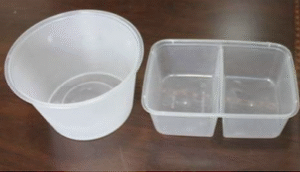
What factors determine the precision of plastic parts during injection molding? How can we improve the precision of thin-walled injection molded parts?
- Mold closing pressure: In principle, it should be greater than the total pressure of the plastic injected into the mold, with the goal of preventing burrs.
- Pressure and speed have a partial relationship. The purpose of pressure acting on the mold is to ensure that the raw material enters the mold evenly, thoroughly, and in an appropriate amount, filling all corners. Too low a pressure will result in short shots and shrinkage; too high a pressure will result in burrs, overfilling, sticking, burning, mold damage, and high internal stress.
- The speed determines the condition of the raw material in the mold runner and in the finished product. Too high a speed will result in burrs, overfilling, and burning; too low a speed will result in short shots, shrinkage, poor bonding, and breakage.
- Temperature: Different raw materials require different temperatures. If the temperature is too low, the melt will not penetrate properly, resulting in uneven color and increased internal stress in the finished product. If the temperature is too low and the pressure is too high, the screw may break. If the pressure is too high, the product will have rough edges, and the temperature difference caused by cooling will cause shrinkage. The raw materials will decompose, turn yellow, change color, and become easy to break. The cooling time will be longer, and the gas will not be easy to escape.



 English
  Russian
  Spanish
  Arabic
  German
  French
  Persian
  Turkish
  Bulgarian
  Czech
Czech  Dutch
Dutch  Greek
Greek  Indonesian
  Japanese
  Korean
  Polish
  Portuguese
  Romanian
  Slovenian
  Ukrainian